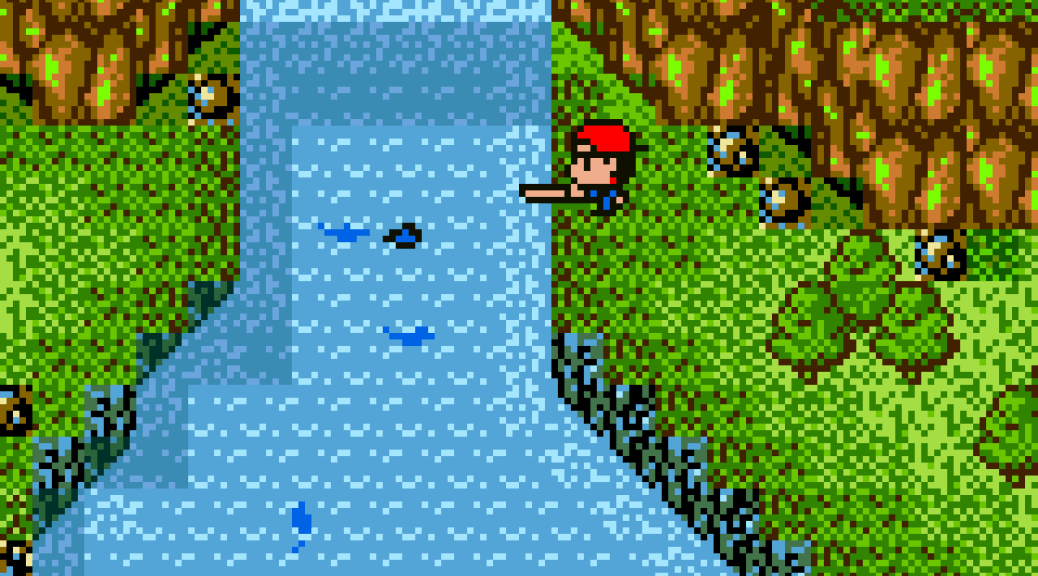
Released in 1999, this is the sequel to Legend of the River King and is another JRPG twinned with a fishing game. It is more detailed and refined than its predecessor and is by far the better game of the two. It was developed by Victor Interactive Software and published exclusively for the Game Boy Color by Natsume.
Tag Archives: overhead

Legend of the River King, Game Boy Color
Developed by TOSE Co., Ltd. and published by Victor Interactive Software in Japan and Natsume in North America and Europe, Legend of the River King is a JRPG that is based around the sport/pastime of fishing. It was initially released for the Game Boy in 1997, and the Game Boy Color version (which is Super Game Boy enhanced) came out in 1999.

Super Bomberman 5, Super Nintendo
The final entry in the Super Bomberman series, Super Bomberman 5 was released in Japan only in 1997, and was developed and published by Hudson Soft. A partial fan translation into English is available, but for some reason it has not been fully completed (at the time of writing, at least).

Super Bomberman 4, Super Nintendo
Developed by Produce! and published by Hudson Soft – in Japan only – in 1996, Super Bomberman 4 thankfully does have a fan translation available, which makes the game fully playable in English.

Super Bomberman 3, Super Nintendo
Developed and published by Hudson Soft in 1995, Super Bomberman 3 is another sequel in the Bomberman series that pushes new ideas and gameplay techniques, while at the same time dialling-in some of the ideas contained in Super Bomberman 2.
Super Bomberman 2, Super Nintendo
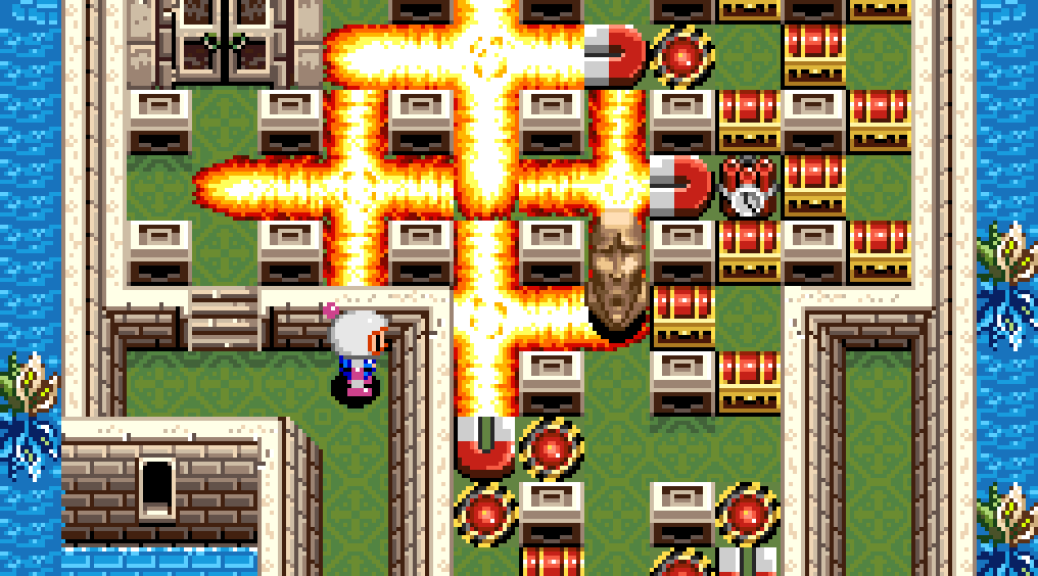
Super Bomberman 2 was developed by Produce! and published by Hudson Soft, exclusively for the Super Nintendo, in 1994. It is the sequel to Super Bomberman, and it introduces many new elements to the series.
Bomberman II, NES/Famicom
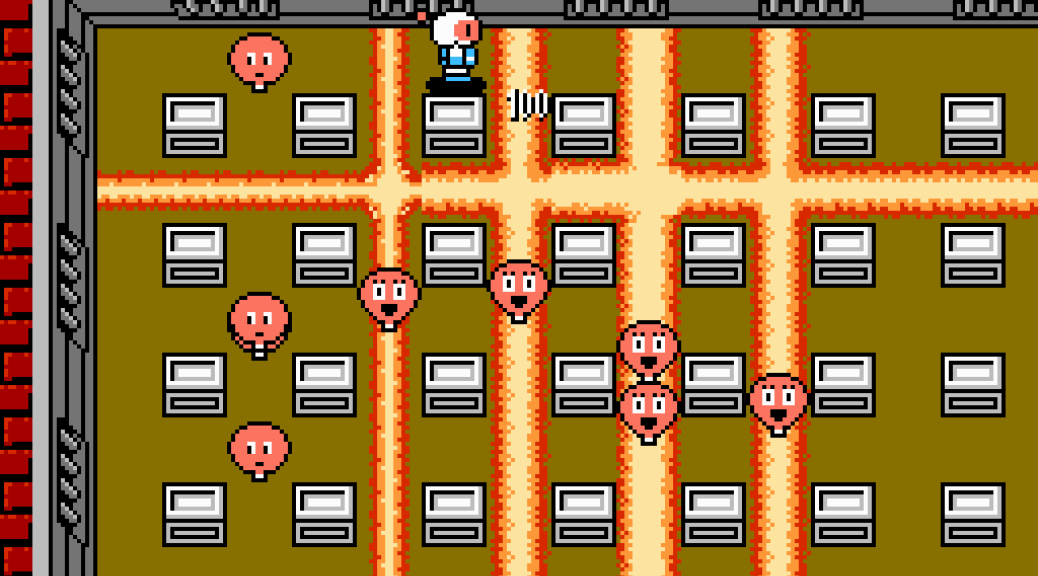
Released in 1991 in Japan and Europe, and in 1993 in North America, Bomberman II is the sequel to 1985’s Bomberman on the NES/Famicom, and it features improved graphics and a multiplayer mode for competitive games against other players (a first for the series). Bomberman II is more in line with the excellent PC Engine version of Bomberman, than anything radically different, and it does improve parts of the game considerably.
Bomberman, PC Engine
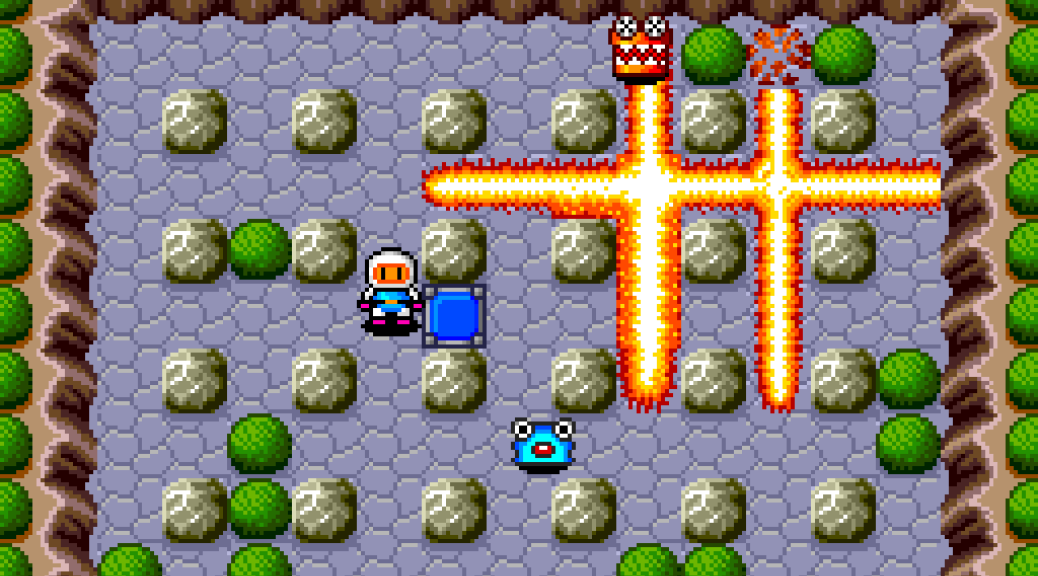
The PC Engine version of Bomberman was where this famous video game series really began to take off. It features enhanced graphics, sound and gameplay, further refining Bomberman into the more familiar ‘modern’ incarnation that most games-players know and love. Bomberman was released in Japan in 1990; in North America, for the TurboGrafx-16, by NEC Technologies in 1991, and in Europe by Ubisoft in 1992.

Bomberman Special, MSX
Bomberman Special on the MSX is an enhanced version of the original Bomberman, with elements incorporated from the 1985 NES/Famicom version of the game. It was first published by Hudson Soft in 1986.

Bomberman, NES/Famicom
The first NES/Famicom version of Hudson Soft‘s Bomberman was a significant enhancement of the Bomberman concept, and was the first game in the series to feature the famous Bomberman player character, with the white helmet (actually an enemy graphic taken and adapted from Hudson‘s 1984 Famicom port of Brøderbund‘s Lode Runner). Bomberman was released in 1985 in Japan, but wasn’t released in North America until 1989.

