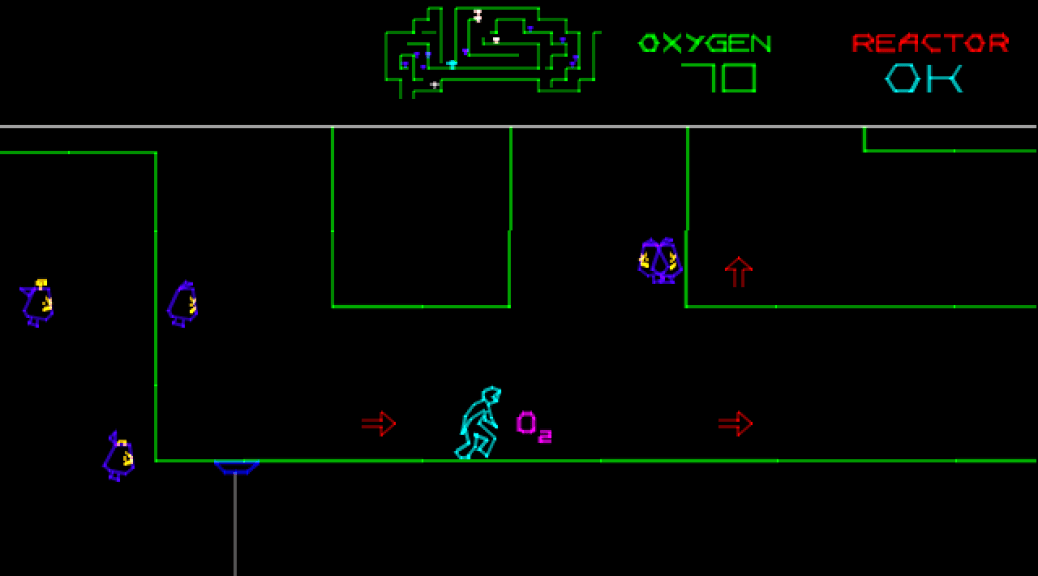
Major Havoc has one task: to destroy a series of space stations. That task has been divided into three parts for each station. Part one: defeat the robots that are protecting it. Part two: safely land on the space station. And part three: go into the space station, activate the self-destruct, then get back to your ship and escape. Do that four times and you just might save humanity from enslavement…
Tag Archives: maze
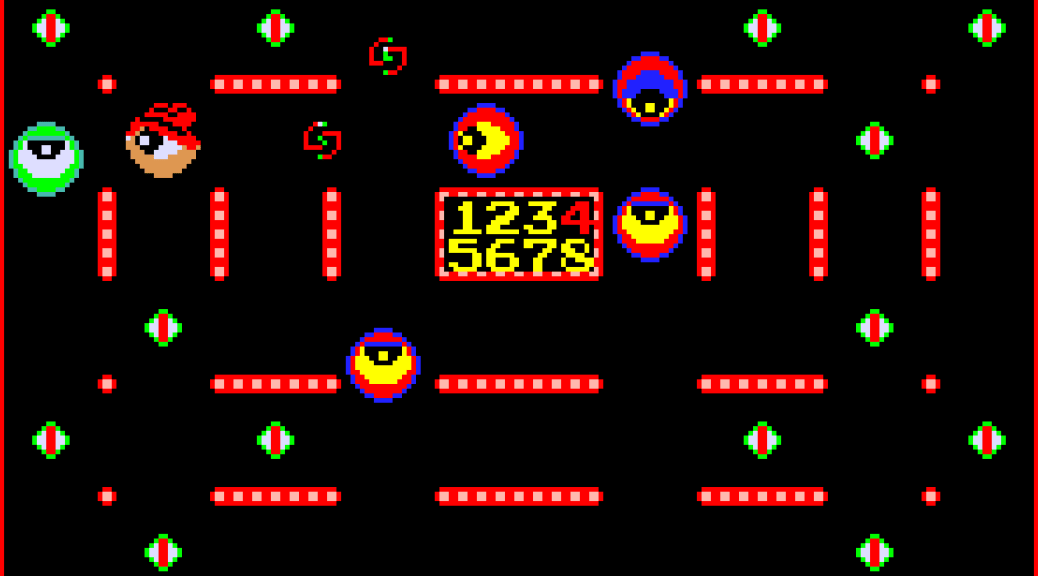
Eyes, Arcade
The videogame “Eyes” was developed by Digitrex Techstar and distributed into arcades by Rock-Ola in 1982. It is a weird little maze game that is actually fun to play and easy to pick up and understand.
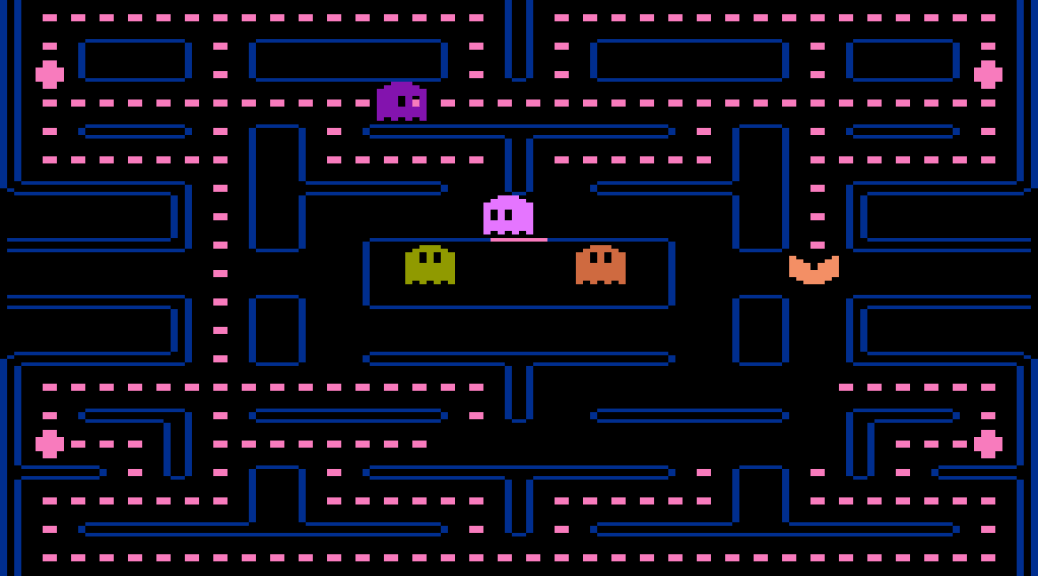
Pac-Man, Atari 8-bit
Pac-Man on Atari 8-bit home computers was first released by Atari Corporation in 1982. The same game was re-released by Datasoft in 1984, and by US Gold in the UK in 1985.
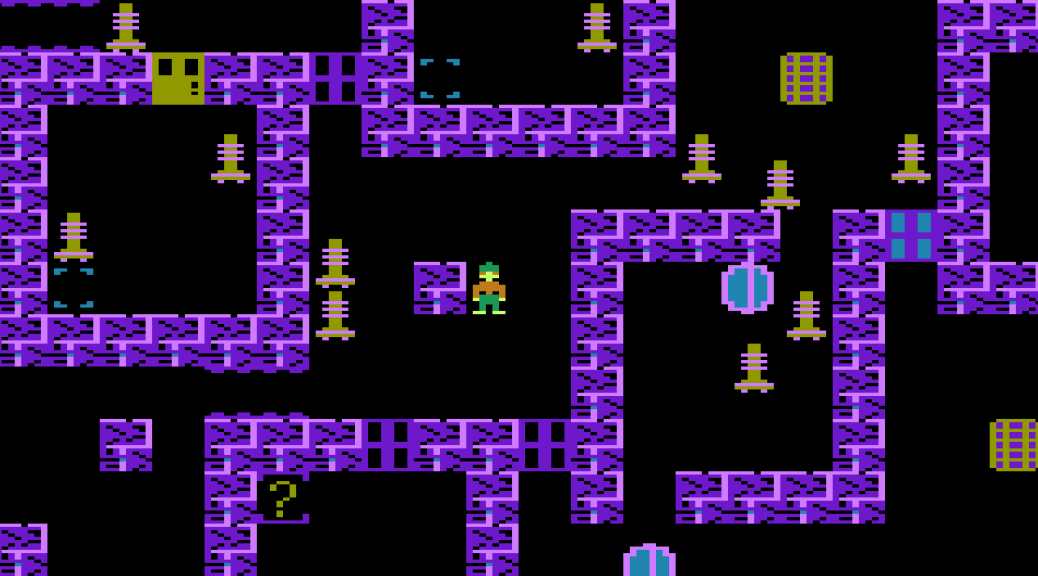
Zone X, Atari 8-bit
Written by Derek Johnston and published by Gremlin Graphics in 1985, Zone X is a scrolling maze game where you play a radiation suit-wearing scientist collecting plutonium samples and dumping them into containers.
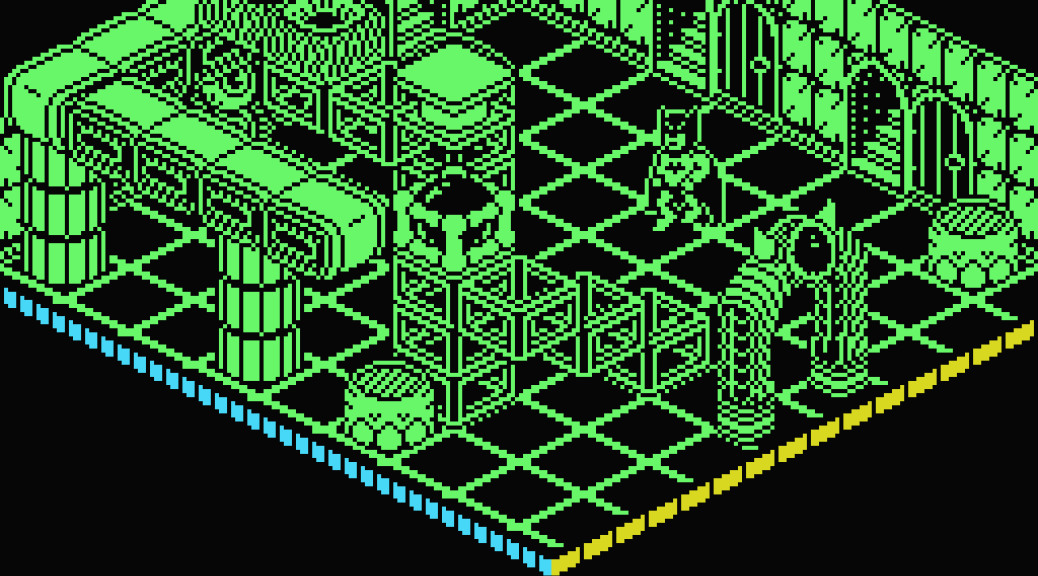
Batman, MSX
Published by Ocean Software in 1986, the MSX version of Jon Ritman and Bernie Drummond‘s classic isometric platform game is just as good as the original Spectrum version, if not better.
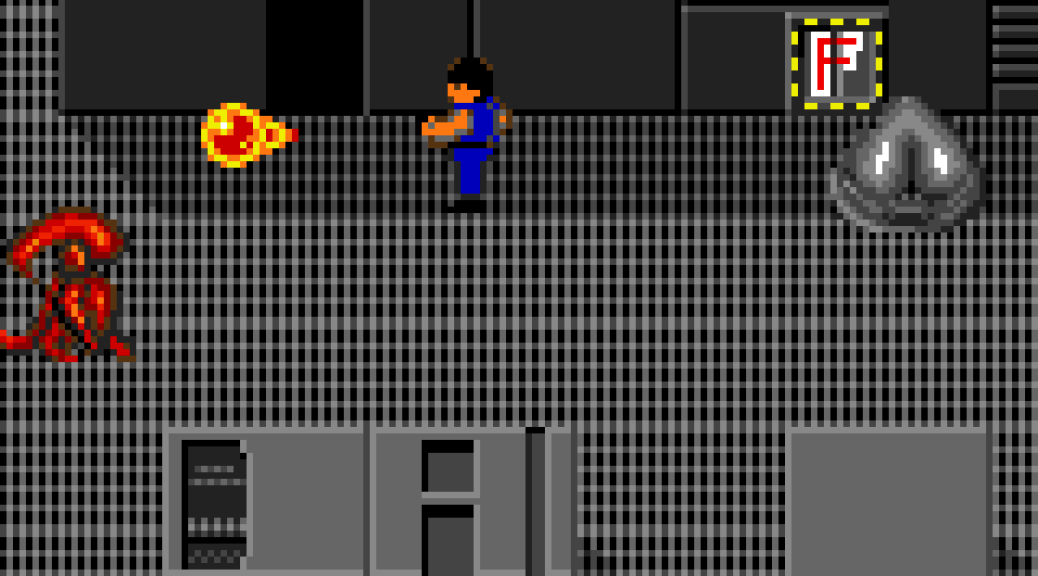
Alien Syndrome, Game Gear
The Game Gear conversion of Sega‘s arcade hit, Alien Syndrome, was developed by SIMS Co., Ltd. and first published in 1992. It’s a decent adaptation, but is for one player only (there’s no two player link-up).
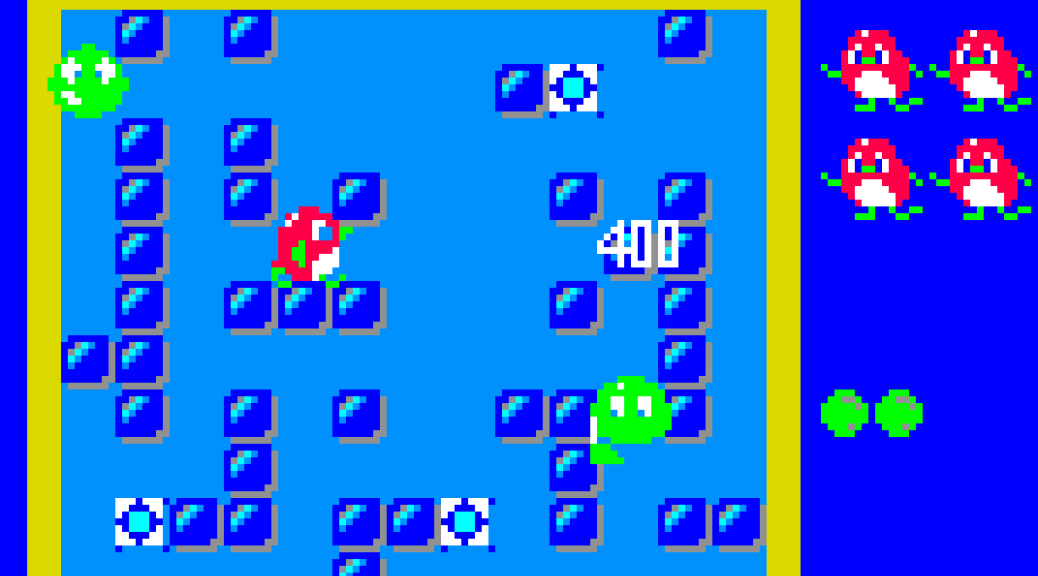
Pengo, Game Gear
Sega‘s classic ice-pushing arcade maze game, Pengo, is well-represented on the Game Gear, with this jolly conversion by Coreland Technology (the original developer of Pengo arcade). It was first released in 1990 in Japan, and 1991 in Europe. It doesn’t look like it had a North American release.
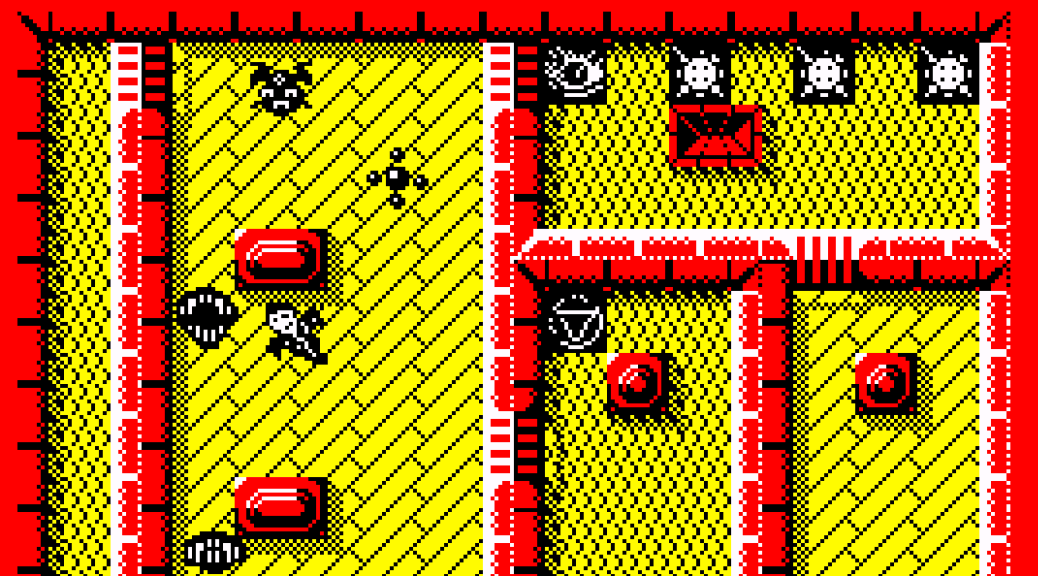
Ranarama, Amstrad CPC
The Amstrad version of Steve Turner‘s Ranarama is every bit as good as the Spectrum original, although it is probably fair to say that it isn’t quite as colourful. It still looks good, though. And – even more importantly – it plays just as good, if not better, than the original.
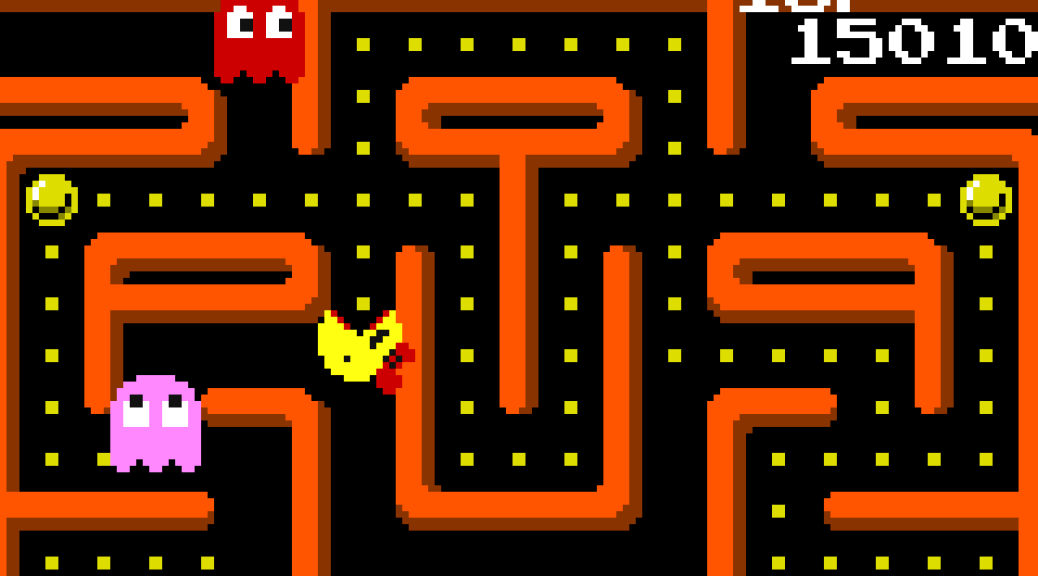
Ms. Pac-Man, Game Gear
Developed by Namco Hometek, Inc. and published by Namco in 1993, the Game Gear version of Ms. Pac-Man is arguably the best handheld version of the classic arcade game. Maybe even the best home version entirely.
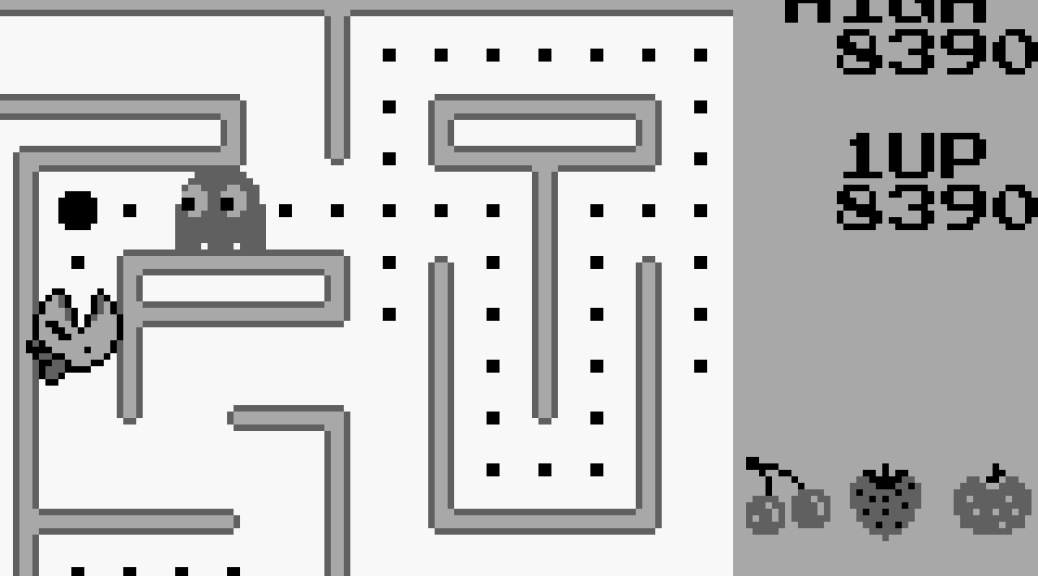
Ms. Pac-Man, Game Boy
The Game Boy conversion of the classic Ms. Pac-Man was developed by Namco Hometek, Inc. and published by Namco in 1993.

