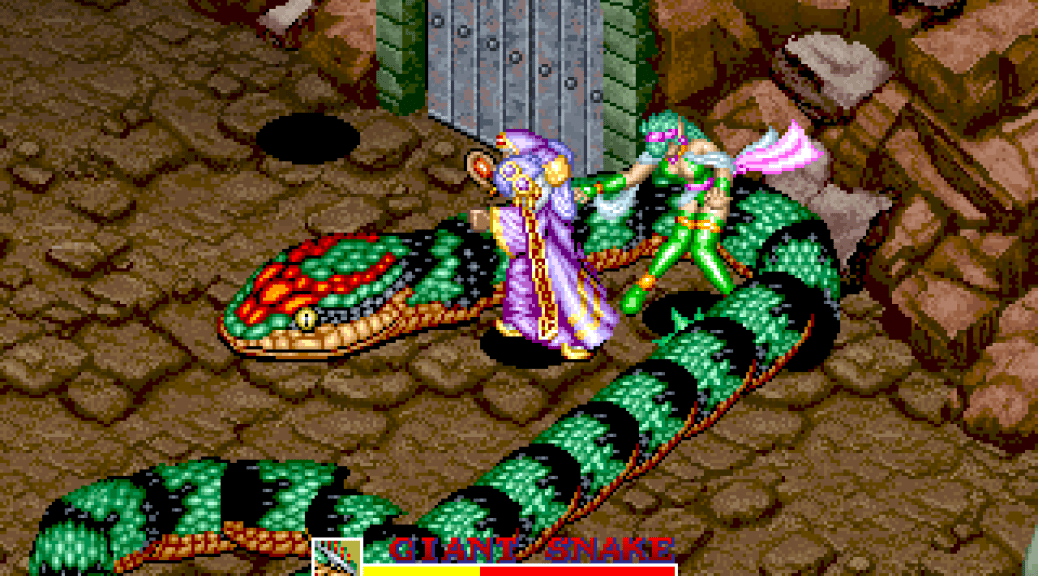
Dungeon Magic – also known as “Light Bringer” in Japan – is an obscure Taito arcade game, first released in 1993. It is a fighting fantasy action game, with an isometric setting, and enough controllers for up to four players*.
Tag Archives: money
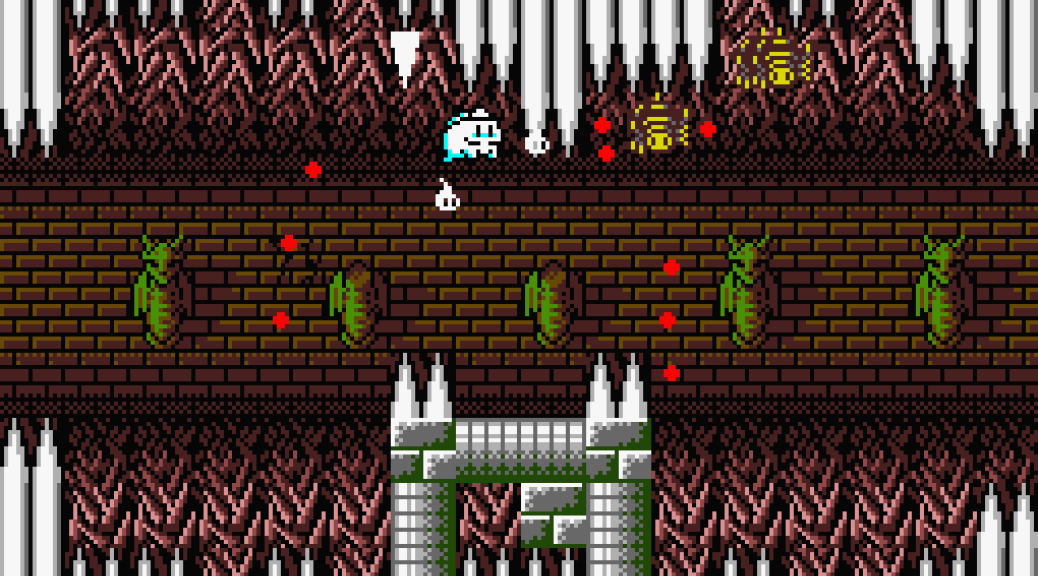
Mr. Ghost, MSX
Mr. Ghost – aka “Yuureikun” – is an interesting flick-screen action game, published by System Sacom for the MSX2 in 1989. In it you play a ghost who must make his way through a series of levels, knocking out enemies along the way. An English fan translation makes the game playable outside of its native Japan.
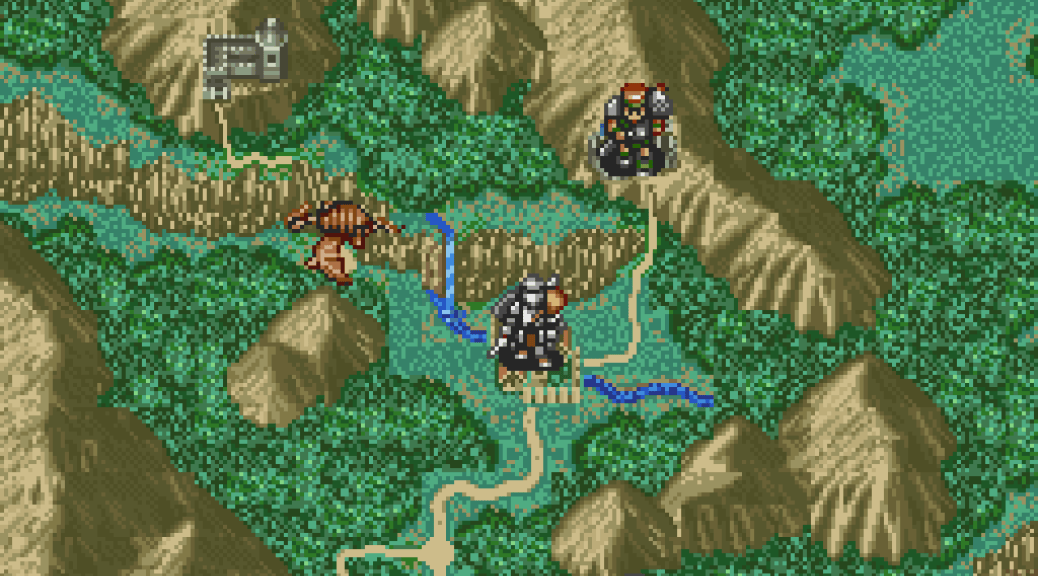
Feda: The Emblem of Justice, Super Nintendo
Developed by Max Entertainment and published – in Japan only – by Yanoman in 1994, Feda: The Emblem of Justice is a tactical JRPG that features two central characters who are fighting against the corrupted empire they used to serve. A fan translation makes the game playable in English.
Continue reading Feda: The Emblem of Justice, Super Nintendo
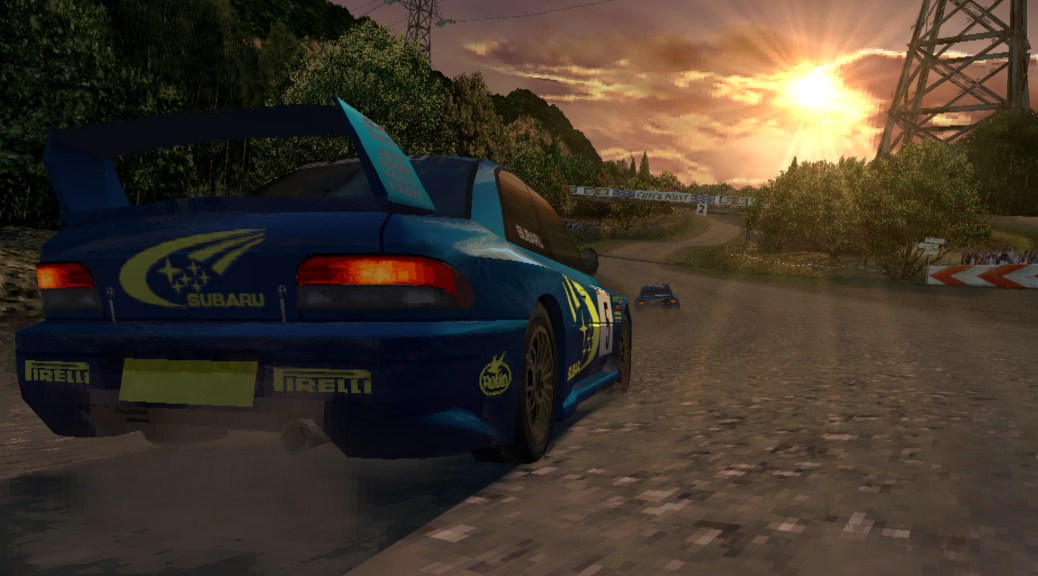
Gran Turismo 3: A-Spec, PlayStation 2
Developed by Polyphony Digital and first published by Sony in 2001, Gran Turismo 3: A-Spec is the third in the famous series of driving games on the PlayStation. This time, on the PlayStation 2. And it is just as good as you might imagine…
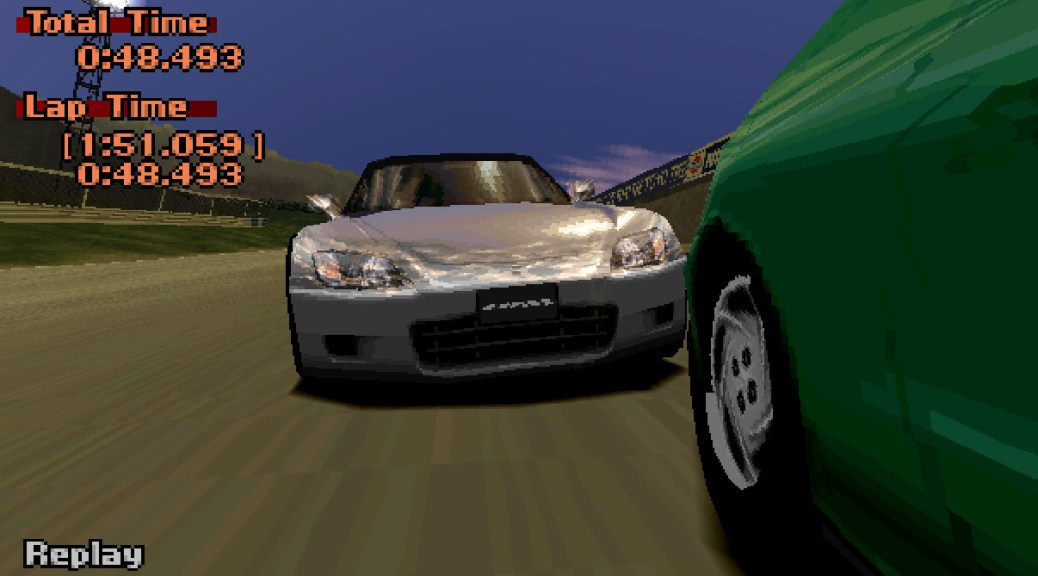
Gran Turismo 2, PlayStation
The sequel to the hit 1997 racing game, Gran Turismo, Gran Turismo 2 carries on where its predecessor left off, only this time the experience is spread over two separate discs (in this case, CD-ROMs – not DVDs), one containing the “Arcade Mode“, and the other offering the “Gran Turismo Mode“, which is basically “Simulation Mode” from the previous game.
Gran Turismo 2 was again developed by Polyphony Digital, and was first published by Sony in 1999.
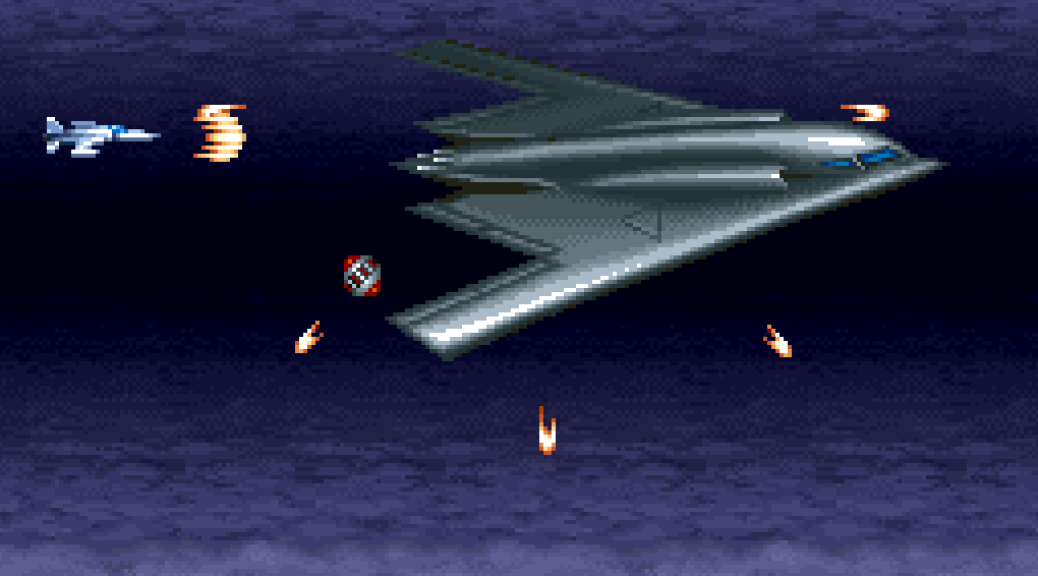
U.N. Squadron, Super Nintendo
Capcom was one of the early masters of the Super Nintendo, releasing many great titles for it. This conversion of their arcade hit, U.N. Squadron, being one of them. It was first released in 1991.
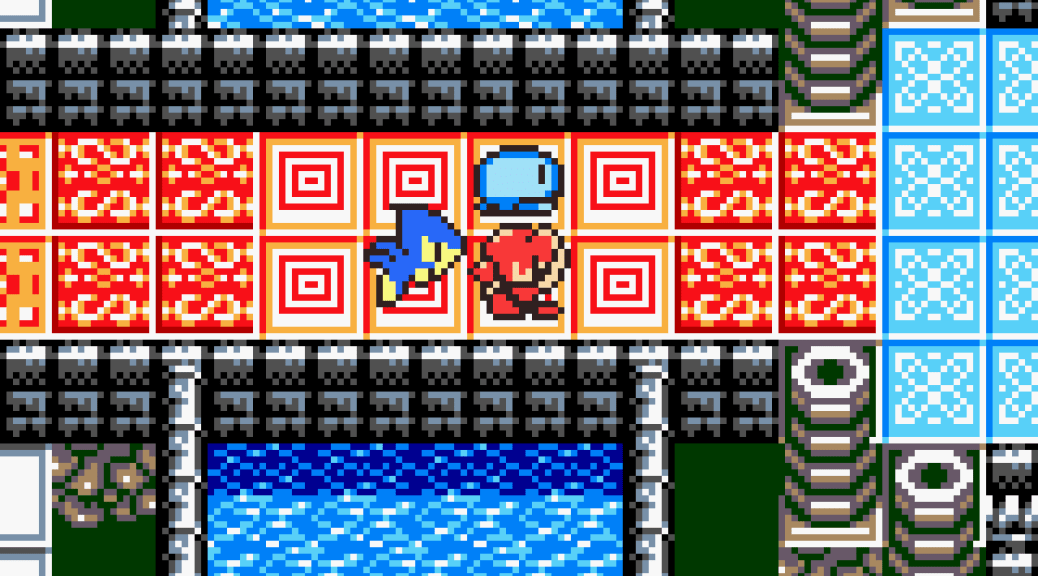
Azure Dreams, Game Boy Color
The PlayStation version of Konami‘s Azure Dreams is an excellent level-grinder, and this Game Boy Color version is also very good, but differs somewhat from the original.
It still takes place in the provincial city of Monsbaiya, and you are still a Monster Hunter. Whereas the PlayStation version uses a 3D isometric viewpoint, this one instead goes for an overhead, 2D view. With titchy characters and intricately-detailed locations rendered as flat pixel art.

Azure Dreams, PlayStation
Developed by Konami Computer Entertainment Tokyo (KCET) and published by Konami in 1997, in Japan, and in 1998 in North America and Europe, Azure Dreams is a ‘Roguelike’ Role-Playing Game about a young boy who wants to become a Monster Hunter.
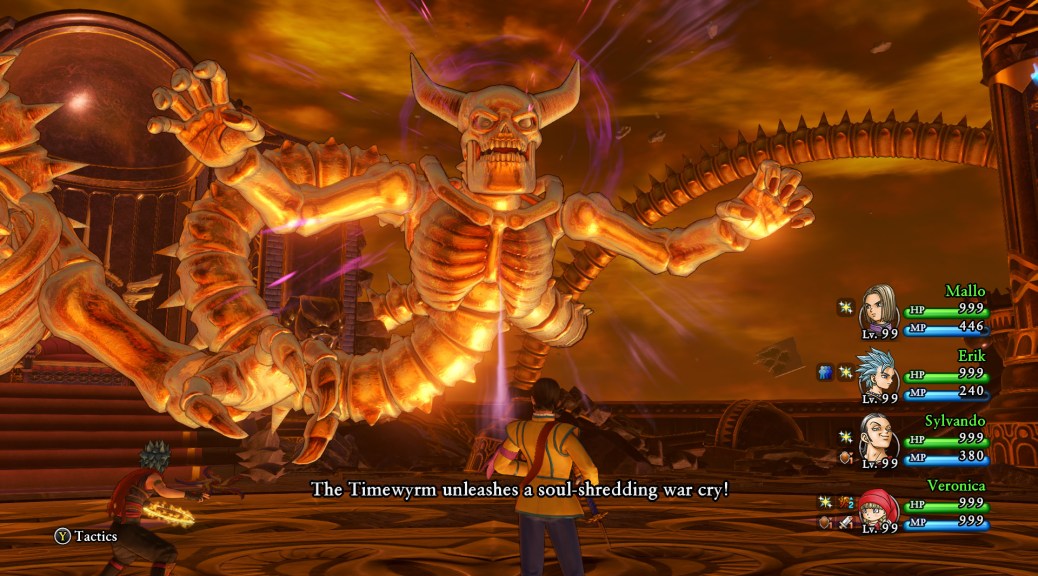
Dragon Quest XI: Echoes of an Elusive Age, PC [Part 4 – Post Game]
Beginning of Post Game:
Visiting Havens Above on Cetacea.
Dragon Quest XI does have substantial Post Game content, for those who want the full experience of the excellent story. Challenges such as The Past Masters in Tickington , The Wheel of Hama at Mount Pang Li, Drustan’s Labyrinth, The Luminary’s Trials, and The Timewyrm are all battles for the DQ11 experts. They’re all very challenging to beat, and they’re a serious visual treat. But they’re worth grinding for to get to! 🙂
Continue reading Dragon Quest XI: Echoes of an Elusive Age, PC [Part 4 – Post Game]
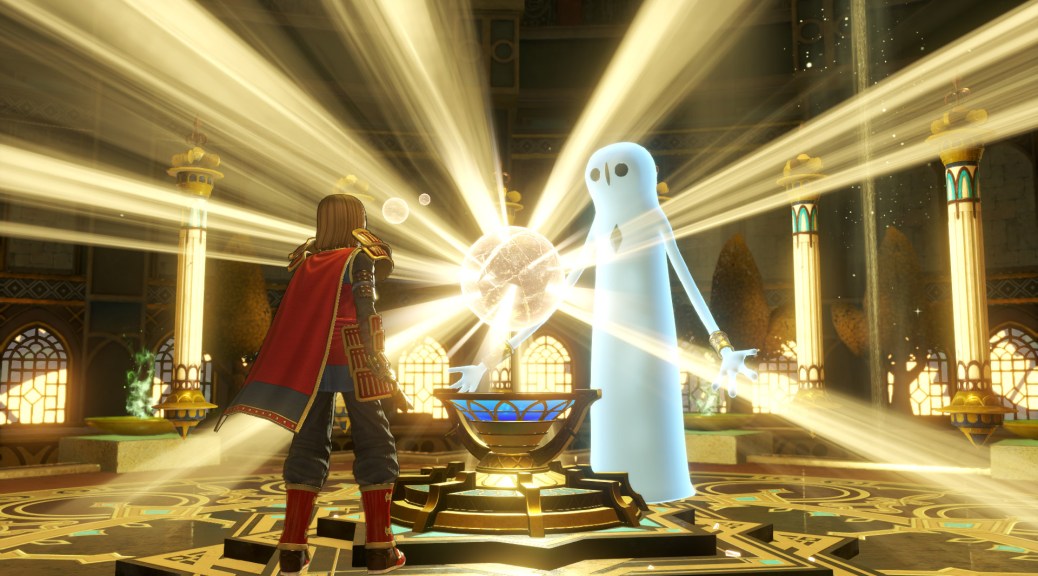
Dragon Quest XI: Echoes of an Elusive Age, PC [Part 3 – Third Act]
Beginning of the Third Act:
Remembrance service in Arboria, and The Tower of Lost Time.
A gigantic number of people worked on Dragon Quest XI, and if you play it enough you’ll see where all the effort went – into creating arguably the best JRPG of all-time. Square Enix not only managed to keep the feel of the Dragon Quest universe true to itself, but also managed to innovate in many areas, to enhance the play experience.
Continue reading Dragon Quest XI: Echoes of an Elusive Age, PC [Part 3 – Third Act]

