
Star Fox EX is a recently-released ROM hack for the Super Nintendo classic, Star Fox, that takes ROM-hacking to another level. It was created by “kandowontu” (and a team of other contributors) and was first released in November 2022. The “EX” means “Exploration Showcase“.
Tag Archives: Cult Game

Defender 2000, Atari Jaguar
Developed by Jeff Minter of Llamasoft and published by Atari Corporation in 1995, Defender 2000 is a re-imagining of the classic Williams Electronics arcade game from 1981, but with more ‘realistic’ graphics. It was an Atari Jaguar exclusive and only appeared on Atari‘s ill-fated console, in cartridge form. It was released as a companion title to Tempest 2000 – also by Llamasoft – and which is arguably the better game of the two. Both are decent games, though.

Rastan, Arcade
Rastan – also known as “Rastan Saga” in Japan – is a scrolling hack and slash arcade game developed and manufactured by Taito in 1987. It features a barbarian warrior who must embark on a quest to slay an evil dragon.

Ristar, Game Gear
Ristar on the Game Gear is a reduced-size version of the classic Megadrive/Genesis platform game by Sega. It was first released for Sega‘s handheld console in 1995.

Planet of the Apes, Game Boy Advance
The Game Boy Advance version of Planet of the Apes is somewhat different, visually, to the Game Boy Color version, although it is basically the same game underneath. Graphically, the GBA version goes for a “digitised”, more realistic look, which I don’t think is as appealing as the pure 2D drawn look of the GBC version. It makes the game look more like an early ’90s Amiga game, which I think dates it significantly.

Planet of the Apes, Game Boy Color
Planet of the Apes for the Game Boy Color was developed by Torus Games/Visiware and was first published by Ubisoft in 2001. It is based on the 1968 film of the same name, which in turn was based on the 1963 book by Pierre Boulle. Actually, to be more accurate, the game follows the plot of the 1970 sequel, Beneath the Planet of the Apes, more closely than it does the first film, where Brent (played by James Franciscus) crash-lands on a post-apocalyptic Earth on a rescue mission to find Taylor (Charlton Heston), and eventually finds himself held prisoner in an underground city run by telepathic humans.

Planet of the Apes, PlayStation
The PlayStation version of Planet of the Apes was developed by French company Visiware and published by Ubisoft via Fox Interactive in 2002. The game was also released for Windows, and that version was released the previous year in 2001. It was actually the first video game ever to be based on the Planet of the Apes franchise. Although it is part of the same family of releases as the Game Boy Advance and Game Boy Color versions, it is a third-person 3D game and not a 2D platform game, like the handheld versions.
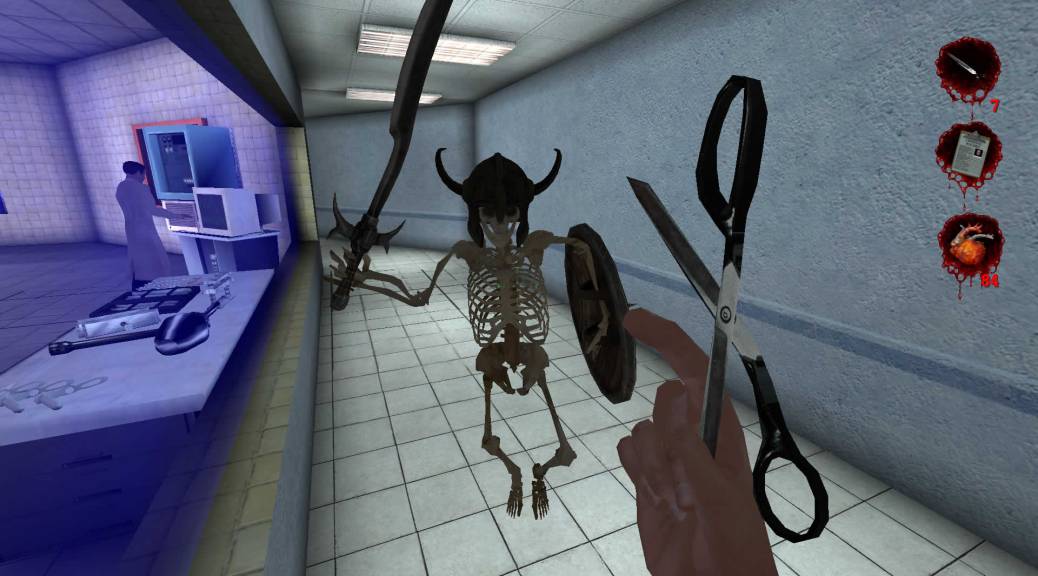
Postal 2, PC
This utterly reprehensible (but fun) first-person shooter was developed by Running With Scissors and first published by Whiptail Interactive in 2003. It is the sequel to 1997’s highly controversial Postal and takes the concept of “going postal” to another level of stupidity and mayhem. Postal 2 is the kind of game that was made to please “edgelords” (some would call them “w*nkers“) and piss off politically correct liberals, and it satirises people in a way that few other games have ever dared to.

Postal, PC
Postal is an infamous, tongue-in-cheek, highly controversial shooter that satirises the process of “going postal” – a phenomenon whereby an individual ‘breaks’ and goes on a killing spree (called thus because “going postal” was once, in America, often associated with postal workers). It was developed by Running With Scissors and first published by Ripcord Games in 1997. The game – like every entry in the Postal series – is mindless, in poor taste, and designed to cause outrage, because outrageous things draw attention to themselves. In Postal‘s case it drew the attention of politicians who tried to ban it.

Alien 3: The Gun, Arcade
The funniest thing about this 1993 arcade game from Sega is that it is based on a film in which guns are decidedly absent. In fact: David Fincher‘s Alien 3 makes a point of removing guns from the story, because the characters exist on a prison planet where guns are not allowed. That said: I think many people would have preferred it if the film had had guns in it, so Alien 3: The Gun could be seen as something of a wish fulfilment for those who didn’t like the film.
 The King of Grabs