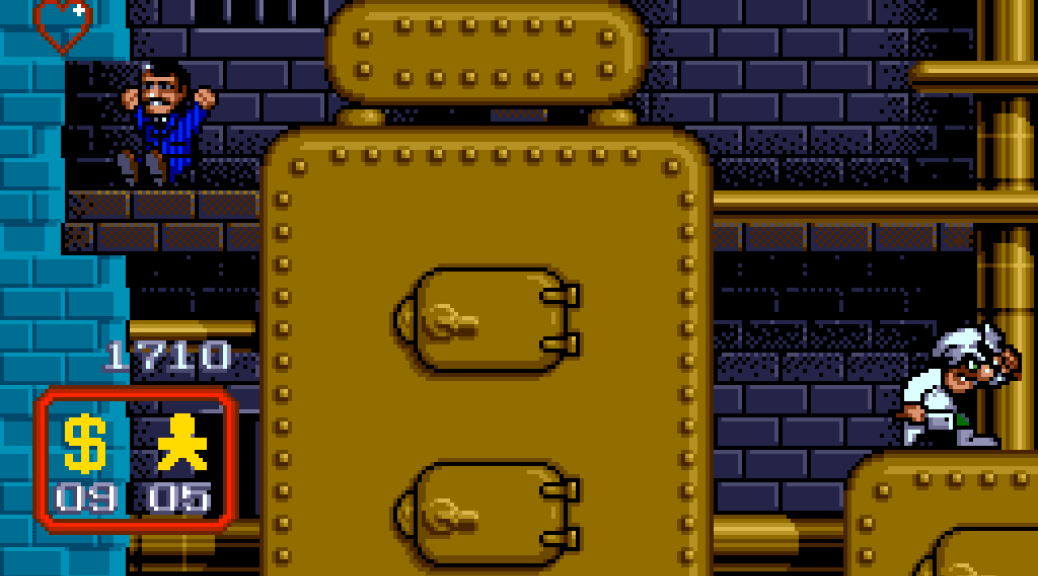
The Megadrive version of Ocean Software‘s The Addams Family is excellent – definitely on-par with the SNES version; arguably even better because it has a nice little intro animation that the SNES version doesn’t have.
Tag Archives: Boss Battles
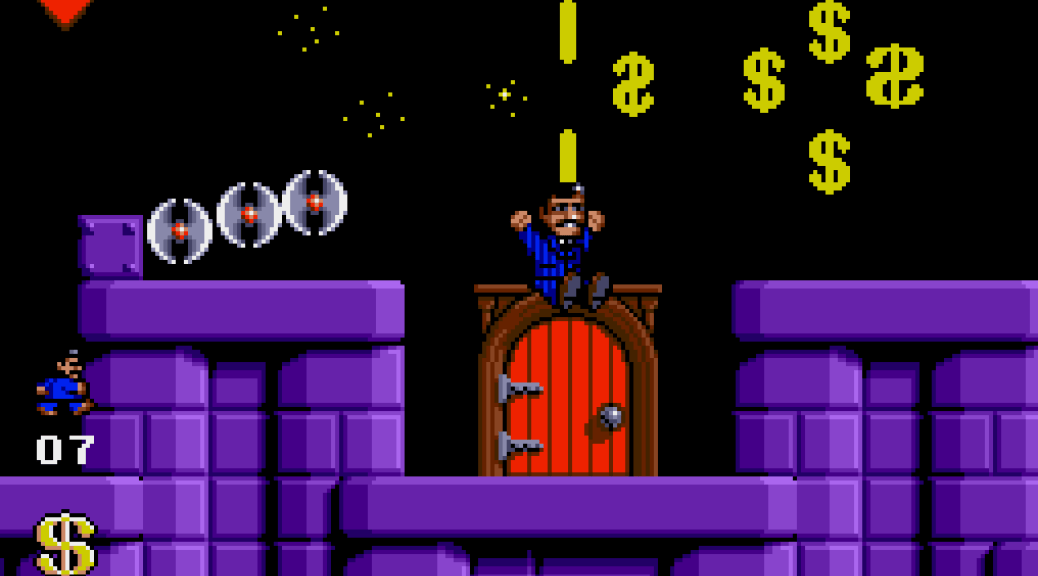
The Addams Family, Amiga
The Amiga version of Ocean‘s classic platform game, The Addams Family, was created by an internal team at Ocean Software in Manchester in 1992, working on multiple ports simultaneously, and trying their best to make great games under pressure.
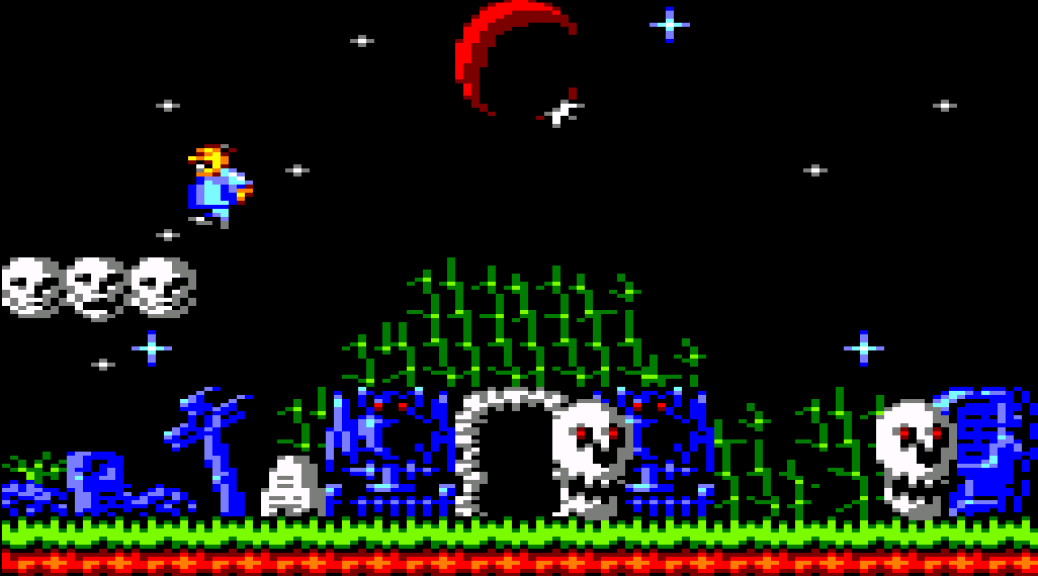
The Addams Family, Amstrad CPC
The 1992 Amstrad CPC version of Ocean‘s ubiquitous The Addams Family is probably the ugliest out of all the versions. The chunky pixels and small play window certainly don’t make for much to look at.
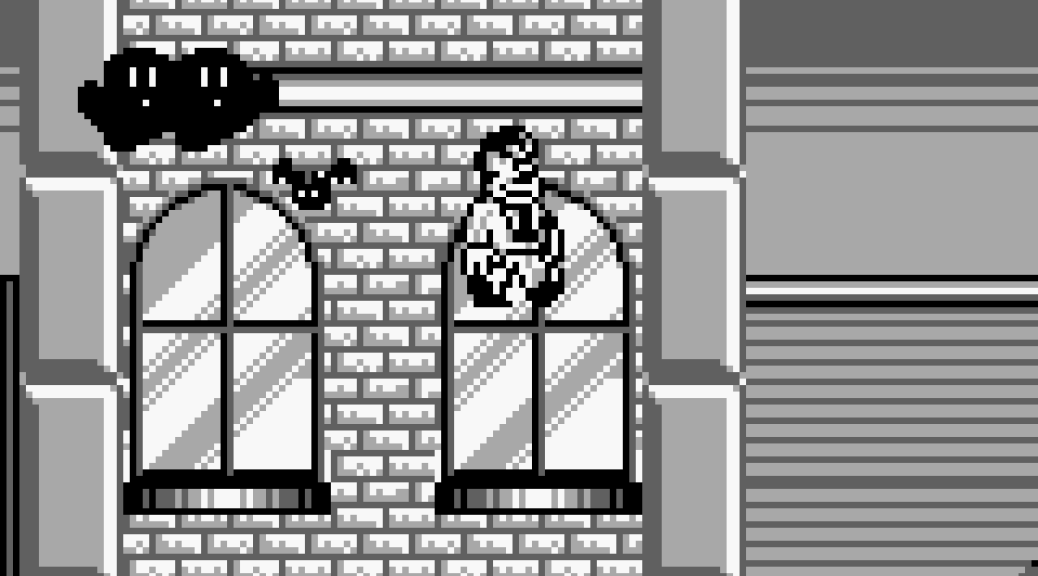
The Addams Family, Game Boy
Holy moley… I don’t know what happened with the Game Boy version of The Addams Family, but somebody, somewhere dropped the ball with it. The game was developed by Ocean Software (like most of The Addams Family games), and first released in 1991, but unlike most of the other versions of this game: it looks terrible and plays even worse…
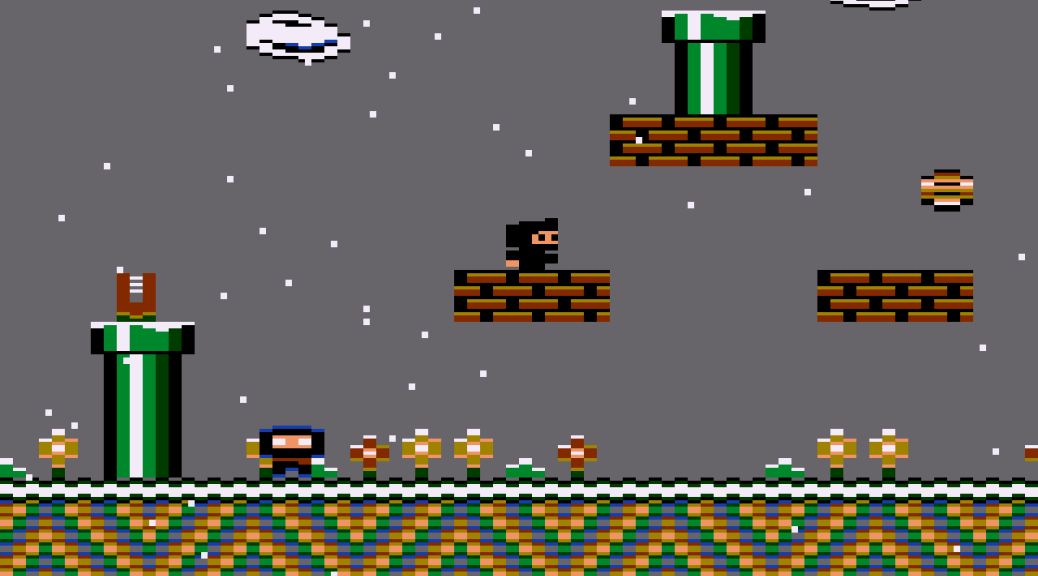
Wee Ninja, Atari 8-bit
Wee Ninja is a homebrew scrolling platform game for Atari 8-bit home computers (with 32K of RAM). It was written by Paul Lay and first released by Playsoft in June 2025, to rapturous applause.
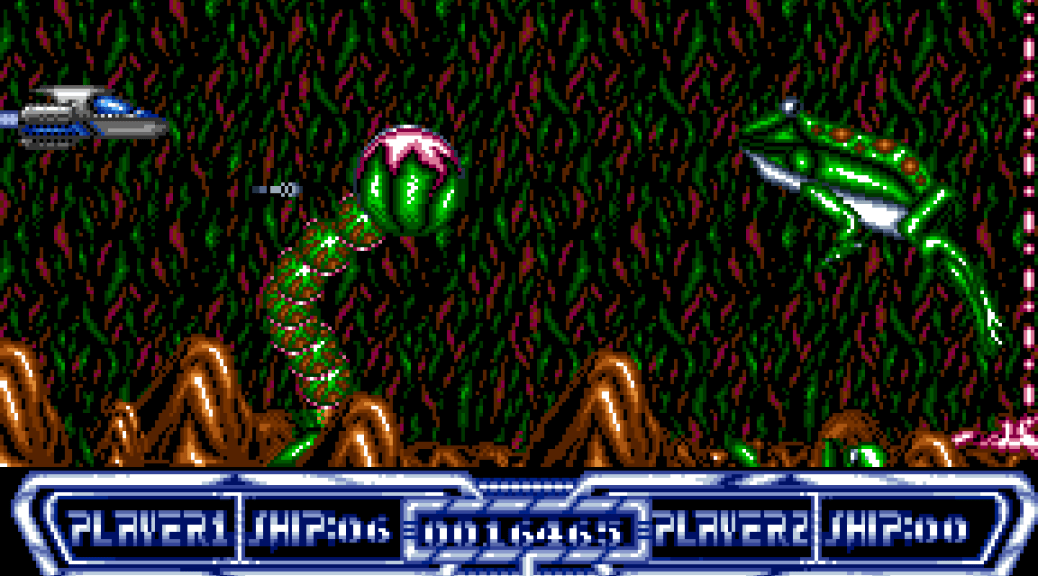
Venom Wing, Amiga
My jaw nearly hit the floor when I first saw Venom Wing on the Amiga. It’s a late release from legendary software house Thalamus, coming out in 1990, and it’s a real stinker…
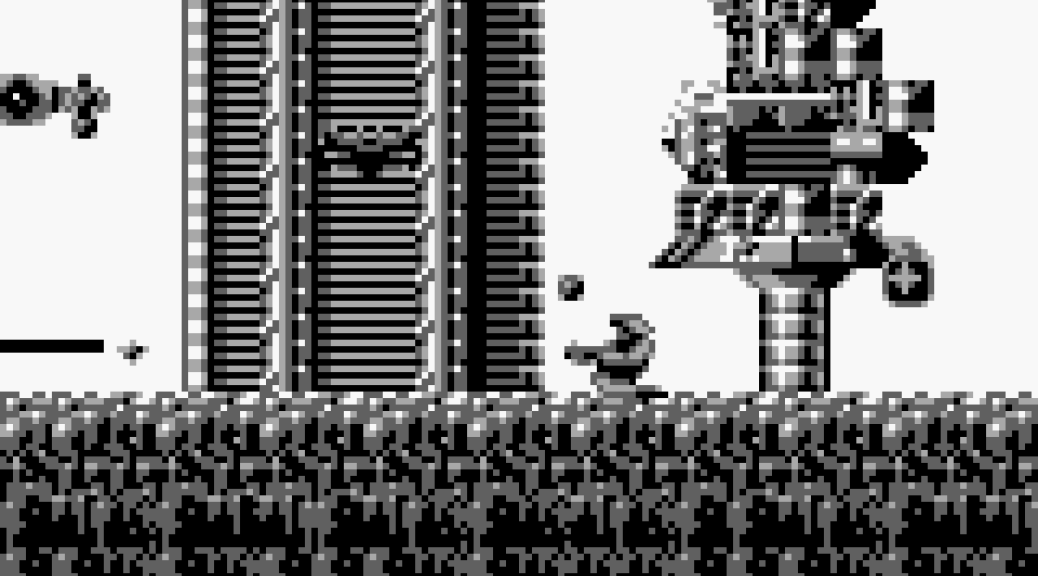
Turrican, Game Boy
Developed by The Code Monkeys and published by Accolade in 1991, Turrican on the Game Boy is a decent scrolling run-and-gun shooter.
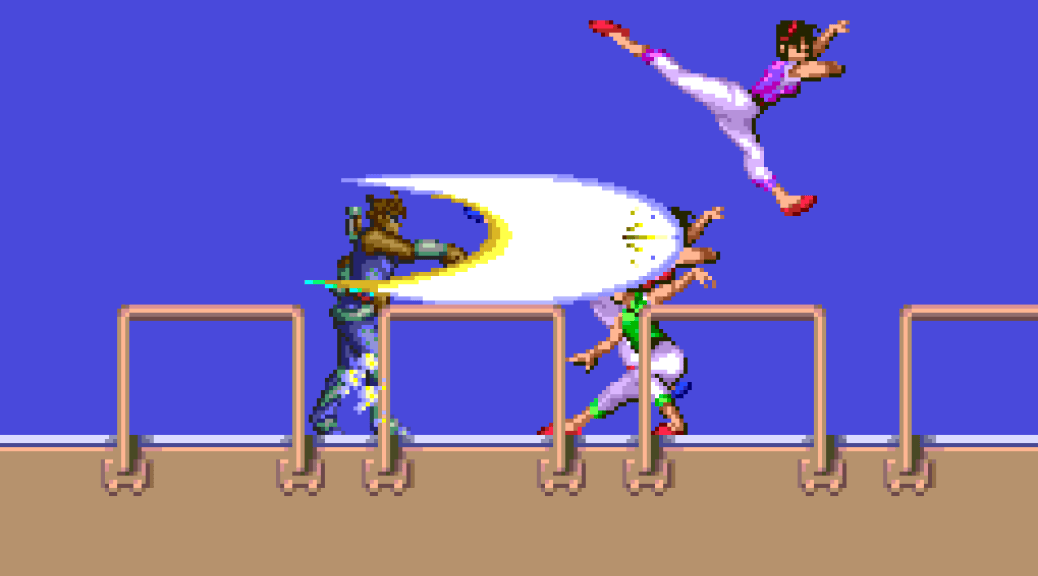
Strider, PC Engine
The PC Engine/Turbografx-16 version of Capcom‘s classic arcade game, Strider, was programmed by Capcom themselves, and first published by NEC Avenue in 1994.
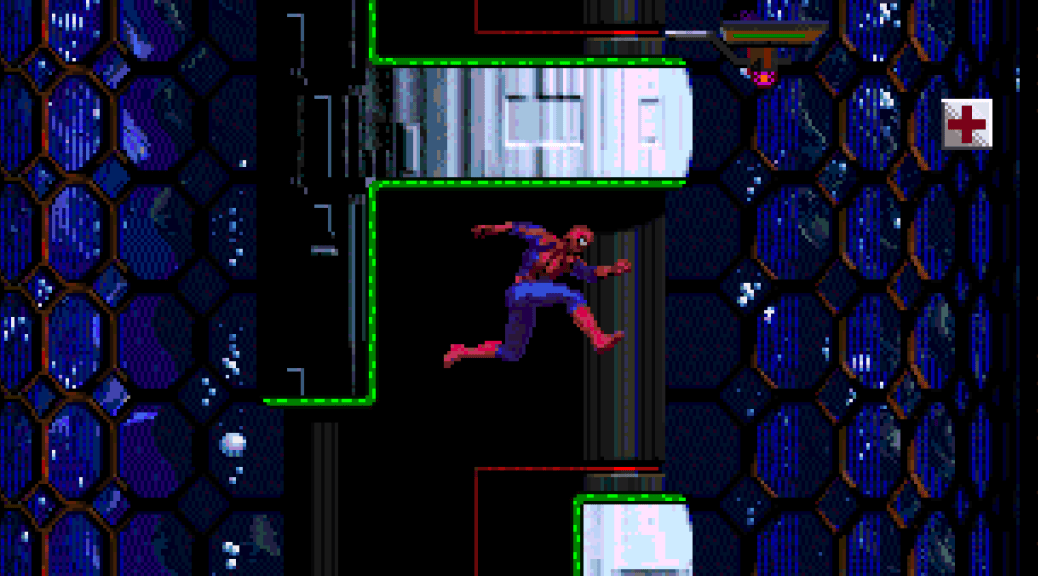
The Amazing Spider-Man: Web of Fire, Sega 32X
Developed by BlueSky Software and Zono, The Amazing Spider-Man: Web of Fire is a Marvel-licensed platform/action game featuring the infamous web-slinger. It was released exclusively for the Sega 32X in 1996.
Continue reading The Amazing Spider-Man: Web of Fire, Sega 32X
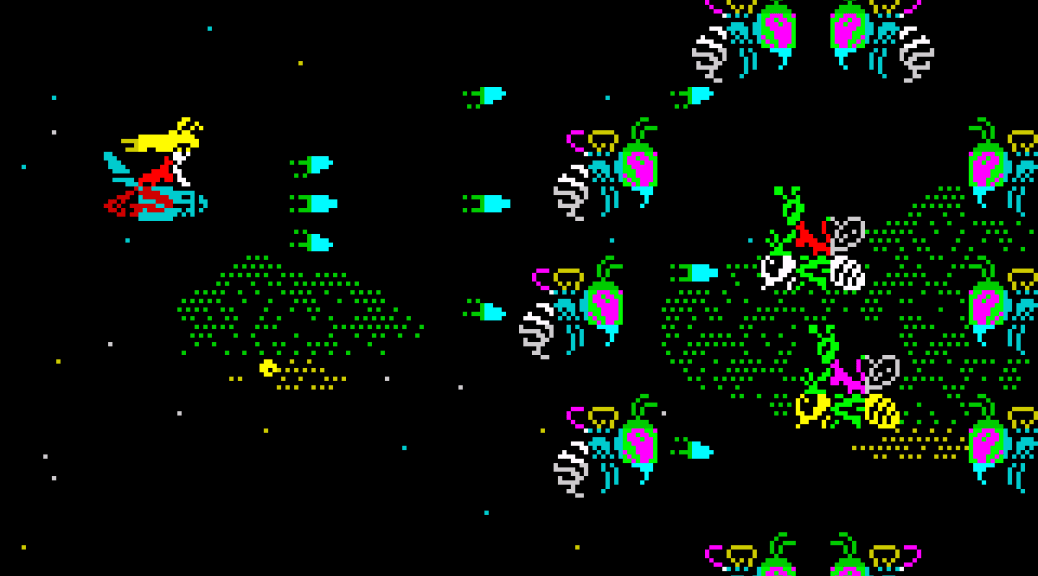
Go-Go BunnyGun, ZX Spectrum
Written by Jason J. Railton and first released in 2026, Go-Go BunnyGun is a side-scrolling shooter on the ZX Spectrum that features a bunny girl on a rocket, flying through space. With smooth, colourful graphics and compelling gameplay, Go-Go BunnyGun is another great “Modern Retro” release.

