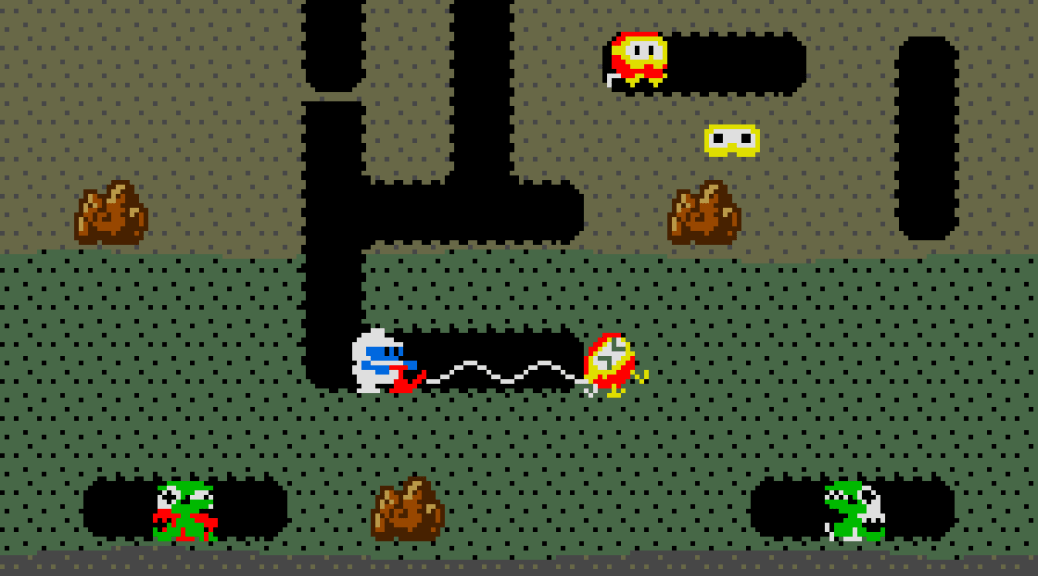
Dig Dug is a cute arcade digging game from Namco that was a cult hit during the early to mid-1980s. It was first distributed into arcades in 1982 and was much cloned by other game developers, and was also officially ported to many home systems of the time, including for the Atari 2600 and Mattel Intellivision (among many others).
Tag Archives: Cult Hit

Katamari Damacy, PlayStation 2
Katamari Damacy – meaning “clump spirit” – is a third-person action game that involves rolling-up items onto a ball called a ‘Katamari‘. You play as ‘The Prince‘ – a small, green boy who is the son of ‘The King of All Cosmos‘ and who pushes the Katamari around the landscape, making items stick to it, which in turn makes it grow in size. The aim of the game is roll-up a Katamari of a certain size in each of the game’s various levels.
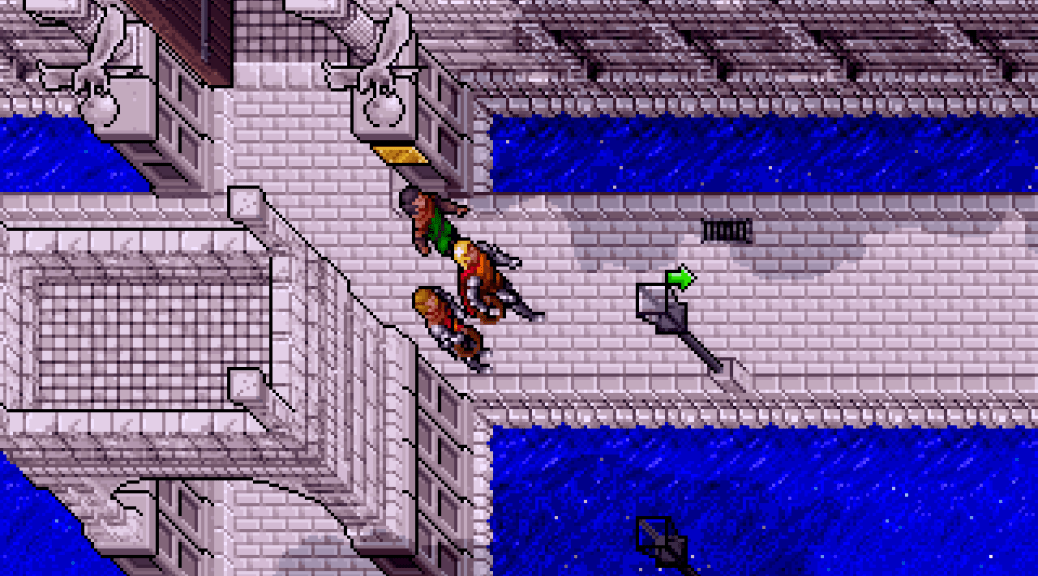
Ultima VII Part Two: Serpent Isle, PC
Serpent Isle is an oddity in the Ultima series in that it is a direct sequel to the previous game – Ultima VII: The Black Gate – which uses the same game engine, but with a few enhancements. It was published by Origin Systems in 1993 and only ever appeared on the PC, running under MS-DOS.

Ultima VII: The Black Gate, PC
Ultima VII: The Black Gate is the seventh game in the Ultima series and the first part of the “Age of Armageddon” trilogy, and was first released for PC MS-DOS by Origin Systems in 1992. The game is highly-rated among RPG fans and even series creator, Richard Garriott, describes Ultima VII as “the most masterfully-executed” of the Ultima series.

Ultima VI: The False Prophet, Commodore 64
The Commodore 64 version of Ultima VI: The False Prophet was programmed by Axel Brown of Imagitec Design and published by Origin Systems in 1991 and is the only 8-bit port of the game available. It is a somewhat stunted version of Ultima VI, with a number of changes made to make it fit onto three double-side floppy disks (six sides in total).

Ultima VI: The False Prophet, PC
Ultima VI: The False Prophet is the sixth game in the Ultima series and the third and final game in the “Age of Enlightenment” trilogy. It was first released by Origin Systems in 1990 and the PC MS-DOS version was the original target platform. There is no Apple II version of this game. It is also the most complex game in the series so far.

M.U.L.E., Atari 8-Bit
M.U.L.E. (meaning: Multiple-Use Labour Elements) is a classic business-based strategy game that mixes turn-based and real-time gameplay, and supply-and-demand economics, with multiplayer competition for up to four players. It was designed by the late Danielle Bunten Berry of Ozark Softscape and first published for Atari 8-bit computers by Electronic Arts in North America in 1983. Later, Ariolasoft published the game in Europe, and Bullet Proof Software published the game in Japan. M.U.L.E. was also converted to a number of other systems and has become something of a cult hit since its original release.
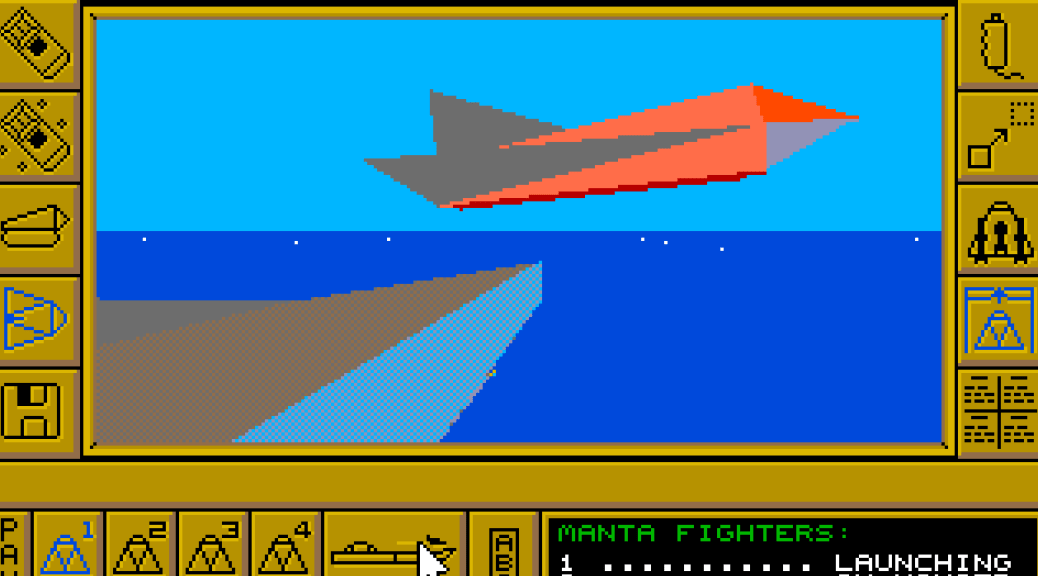
Carrier Command, Amiga
Realtime Software‘s classic Carrier Command is an early real-time strategy game that first came out for the Amiga and Atari ST in 1988 through Rainbird. In it you control a futuristic aircraft carrier battling for domination of a group of islands with an AI-controlled enemy carrier.
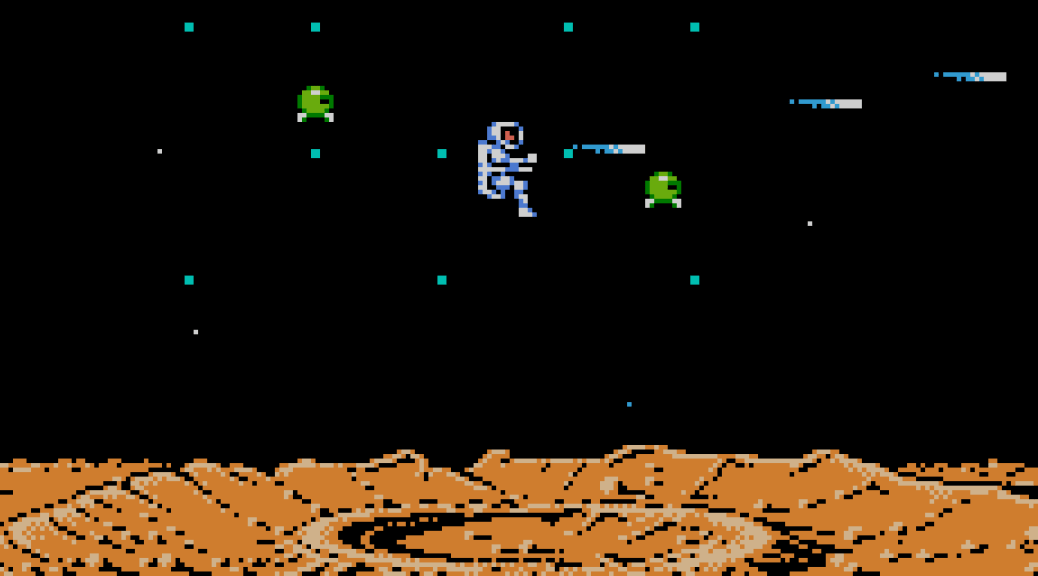
Dropzone, NES/Famicom
Archer MacLean‘s classic side-scrolling shooter, Dropzone, was converted to the NES/Famicom by Eurocom Developments and it is an excellent adaptation of this fast-moving Defender derivative.
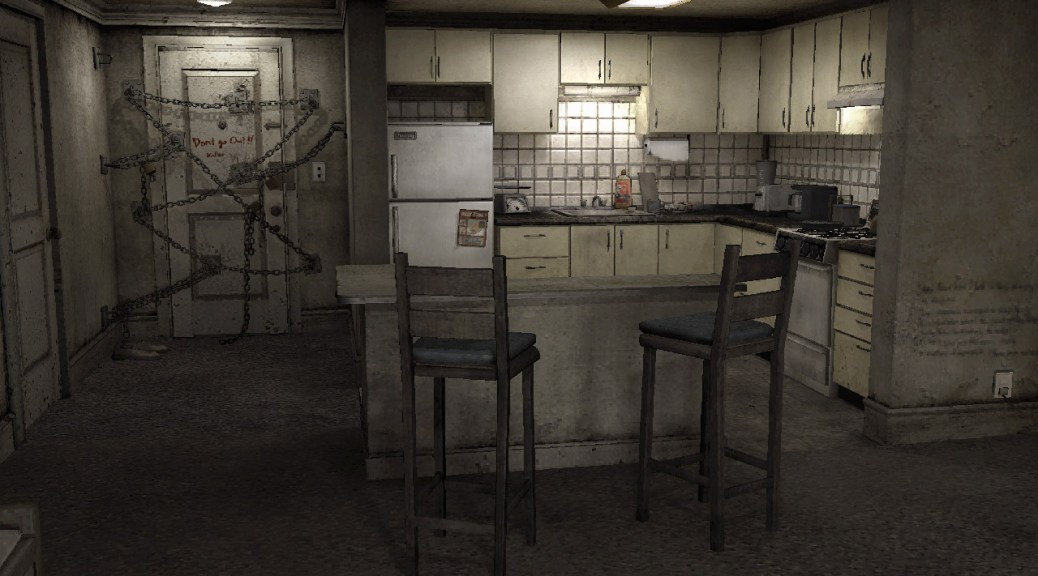
Silent Hill 4: The Room, PlayStation 2
Silent Hill 4: The Room was once again developed by Team Silent (an internal dev team at Konami Tokyo), and was first published by Konami in 2004. The word on the street is that Silent Hill 4 initially began life as a concept outside of the Silent Hill series and was later made canon when the devs decided to incorporate it. It plays differently to the previous three Silent Hill games, but does have the same DNA, mixing first-person exploration with the familiar third-person survival horror gameplay.
 The King of Grabs