
The BBC Micro conversion of Ocean Software‘s infamous BurgerTime rip-off, Mr. Wimpy, was coded by Richard Kay and first released in 1984. And – without any hesitation – I can say that it is absolutely terrible.
Tag Archives: ladders

The Flintstones: BurgerTime in Bedrock, Game Boy Color
The Flintstones: BurgerTime in Bedrock is a crossover between Data East‘s classic arcade game, BurgerTime, and the famous cartoon show, The Flintstones. It was developed by Conspiracy Entertainment and published by Classified Games for the Game Boy Color in 2000. It’s basically BurgerTime with Flintstones graphics, but it isn’t even a particularly good version of BurgerTime.
Continue reading The Flintstones: BurgerTime in Bedrock, Game Boy Color
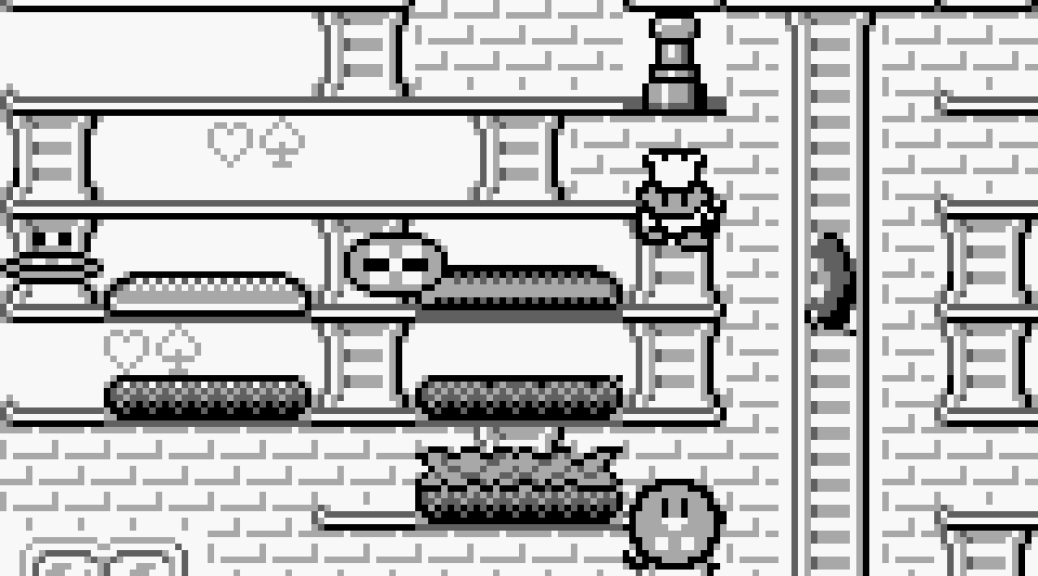
BurgerTime Deluxe, Game Boy
BurgerTime Deluxe is an enhanced remake of the classic 1982 arcade game, BurgerTime, released exclusively for the original Game Boy. It was developed and published by Data East in 1991.

Rod Land, Arcade
Rod Land is a one or simultaneous two-player platform game created by Jaleco and first distributed into arcades in 1990. In it you control one of two fairies – Tam or Rit – each armed with a magic wand (or a ‘rod’, as the game’s title implies) which can immobilise monsters that chase you on each stage. The aim of the game is to rescue your ‘mom’ (and later, your dad) who has been kidnapped and taken to the top of a large tower.
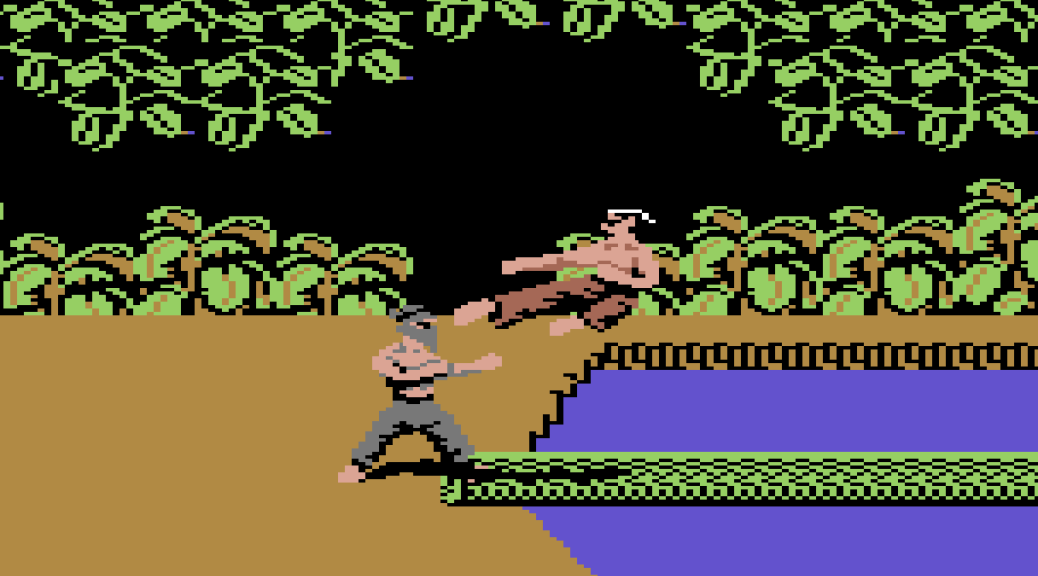
Fist II: The Legend Continues, Commodore 64
Fist II: The Legend Continues is the sequel to the classic The Way of the Exploding Fist, and it plays quite differently to its predecessor. It was once again developed by Beam Software (mostly by the same people who made Fist One) and first published by Melbourne House in 1986.
Continue reading Fist II: The Legend Continues, Commodore 64
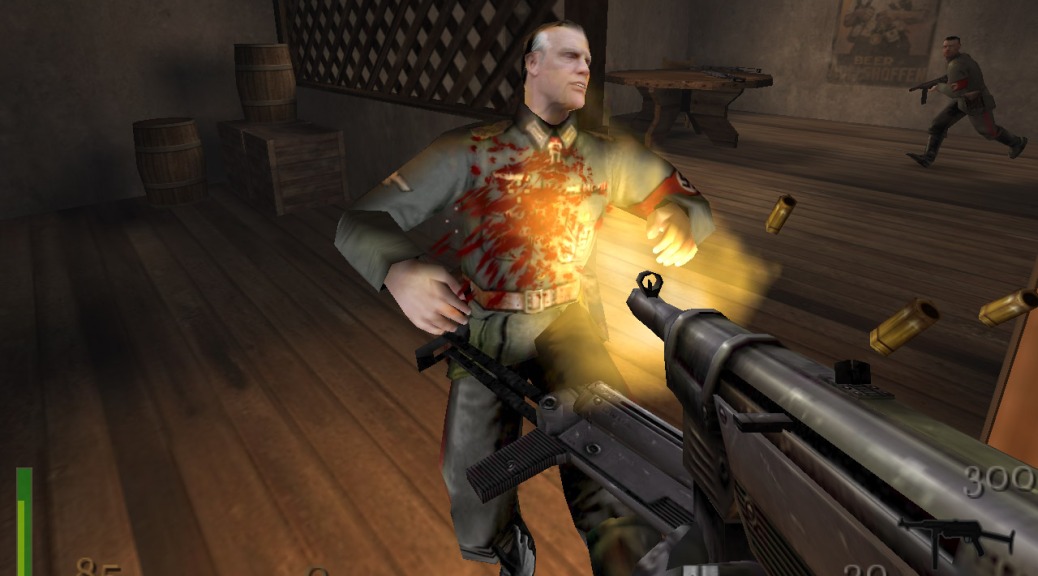
Return to Castle Wolfenstein, PC
Return to Castle Wolfenstein is a re-imagining of id Software‘s classic Wolfenstein 3D, developed by Gray Matter Studios and first published by Activision in 2001. It uses the id Tech 3 engine (as created for Quake III) and has a single-player campaign, as well as a multiplayer component where players are split into Allies and Axis.
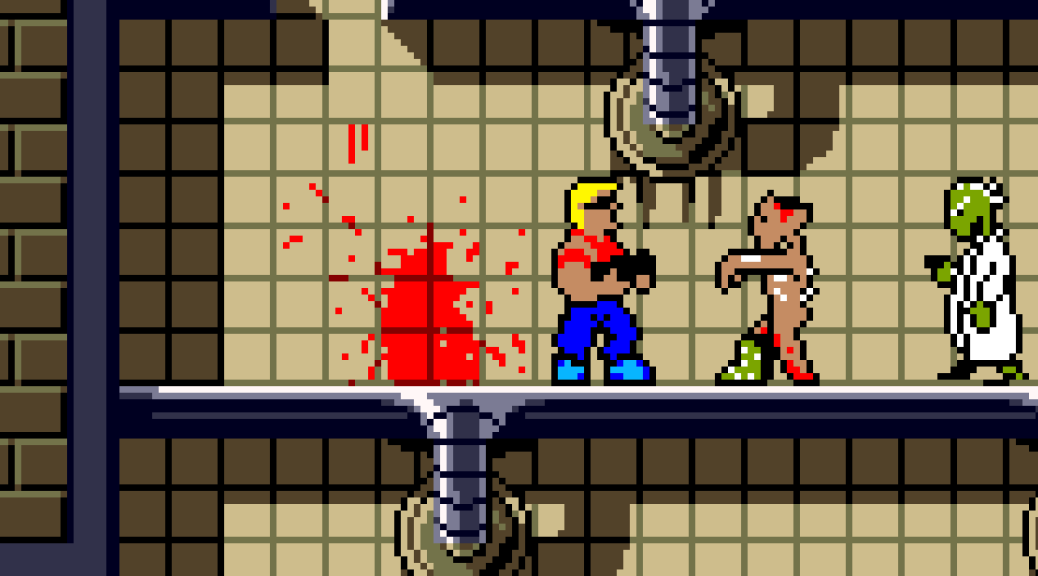
Duke Nukem, Game Boy Color
Duke Nukem on the Game Boy Color is a conversion of the classic MS-DOS game and was developed by Australian company Torus Games and published by GT Interactive in 1999. It is based on both Duke Nukem and Duke Nukem II although it plays more like the second game than the first.
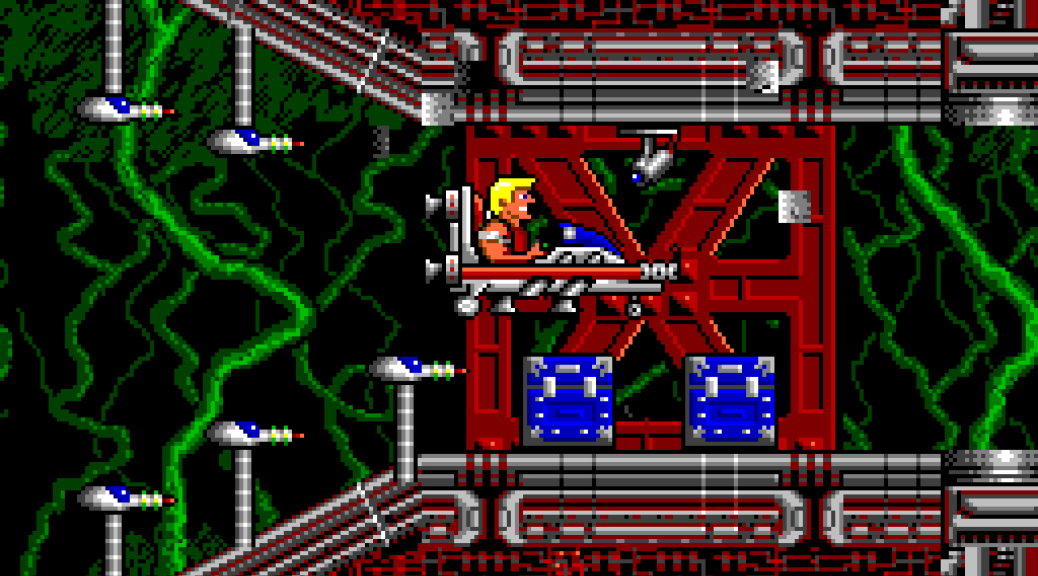
Duke Nukem II, PC
Duke Nukem II is the sequel to 1991’s Duke Nukem and is another side-scrolling, platform-based shooter, only this time with larger, bolder graphics and jerkier scrolling. It was once again developed and published by Apogee Software, and was first released in 1993.
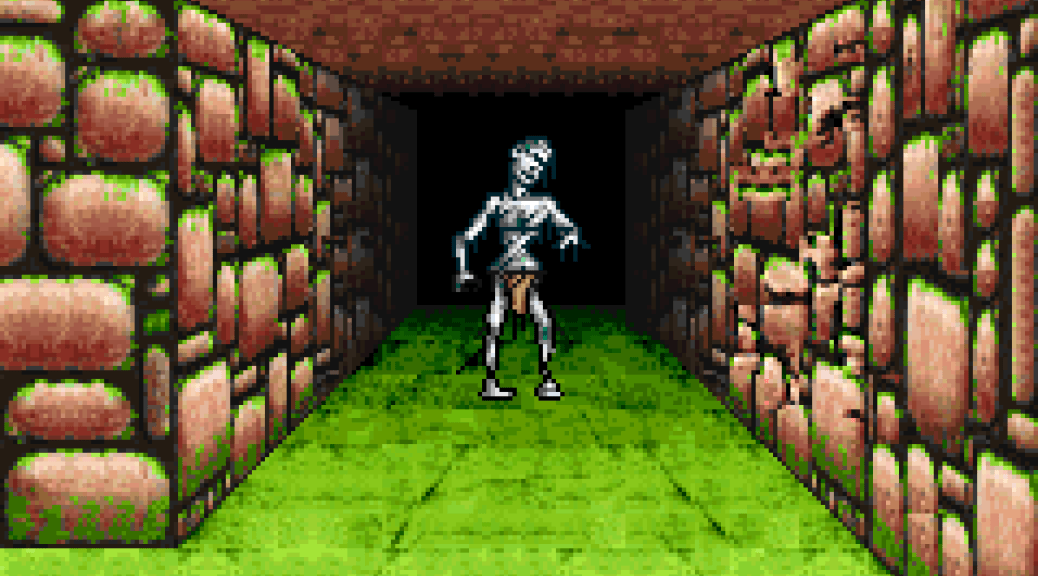
Eye of the Beholder, Game Boy Advance
The Game Boy Advance version of the classic RPG, Eye of the Beholder, was developed by Pronto Games and first published by Infogrames in 2002. While it does follow the basics of the original, is it considerably different in many respects. It’s also a relatively poor conversion overall.

 The King of Grabs