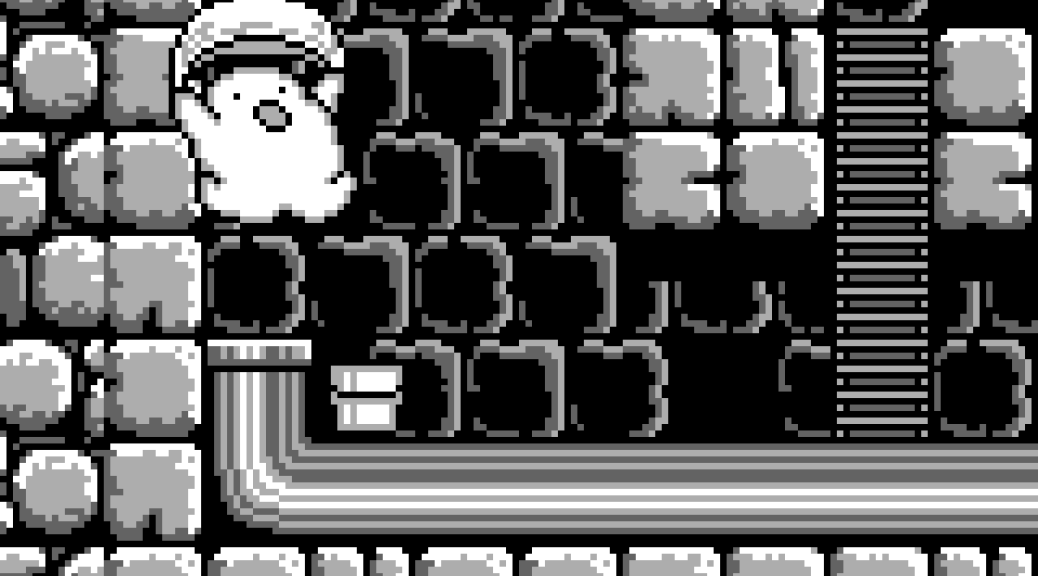
Developed and published exclusively for the original black and white Game Boy by Irem in 1992, Noobow (aka Nōbow) is a cute platform/puzzle game that was only ever released in Japan. Thankfully, a fan translation patch makes this game playable to non Japanese-speakers.
Tag Archives: hidden gem
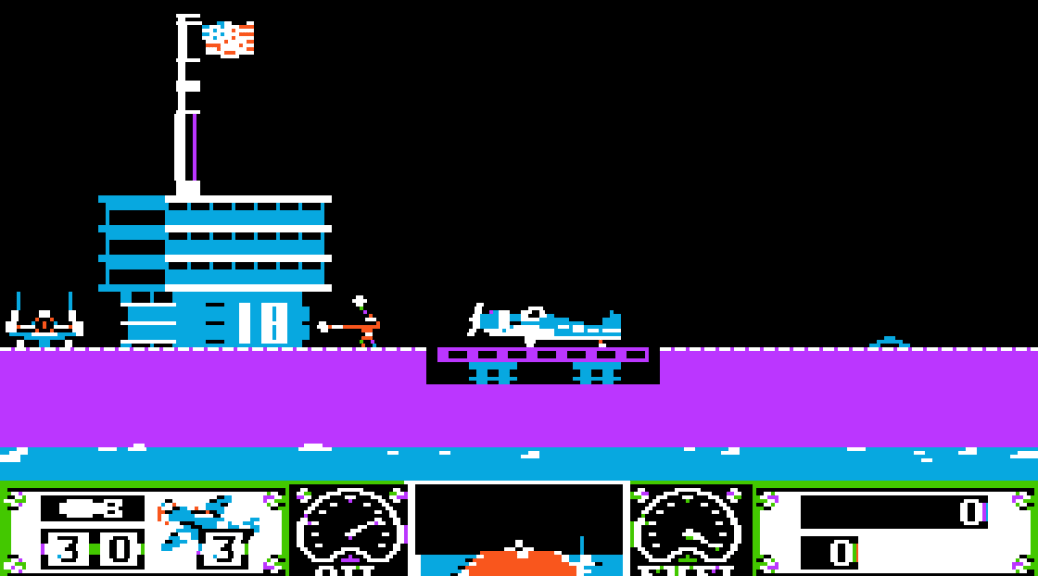
Wings of Fury, Apple II
Designed and programmed by Steve Waldo, and first published by Brøderbund in 1987, Wings of Fury is a pioneering and influential side-scrolling shooter in which you pilot an American F6F Hellcat during World War II.
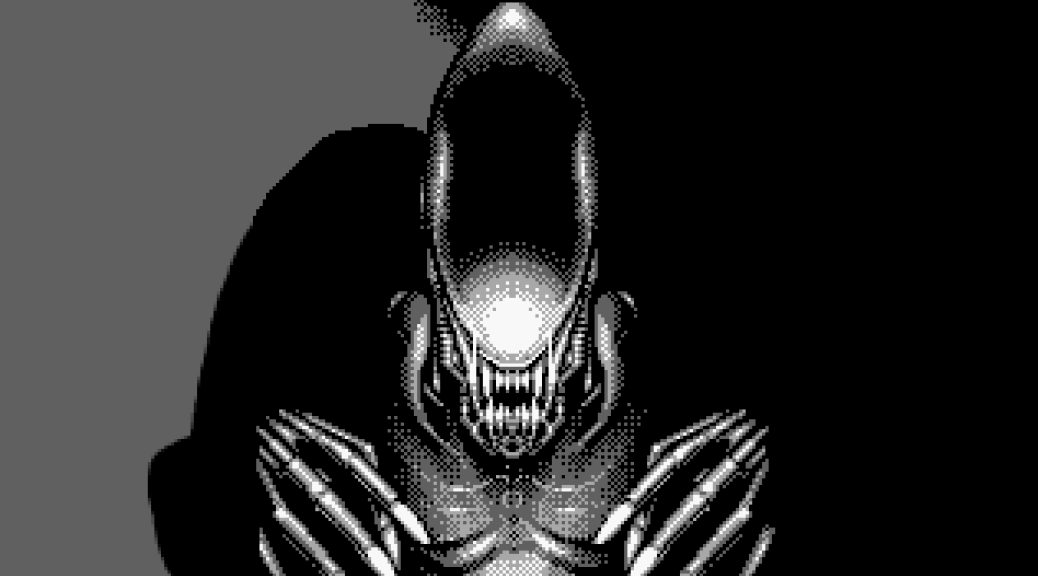
Alien 3, Game Boy
Now this is an interesting departure from the majority of Alien 3 games of the time… It’s an overhead scrolling adventure, rather than a side-scrolling shooter.
Developed by British firm B.I.T.S. (aka Bits Studios) and published by LJN in North America and Acclaim in Japan in 1993, Alien 3 on the Game Boy sees you playing Ripley, on Fury 161, and the similarity to the film ends there… LOL.
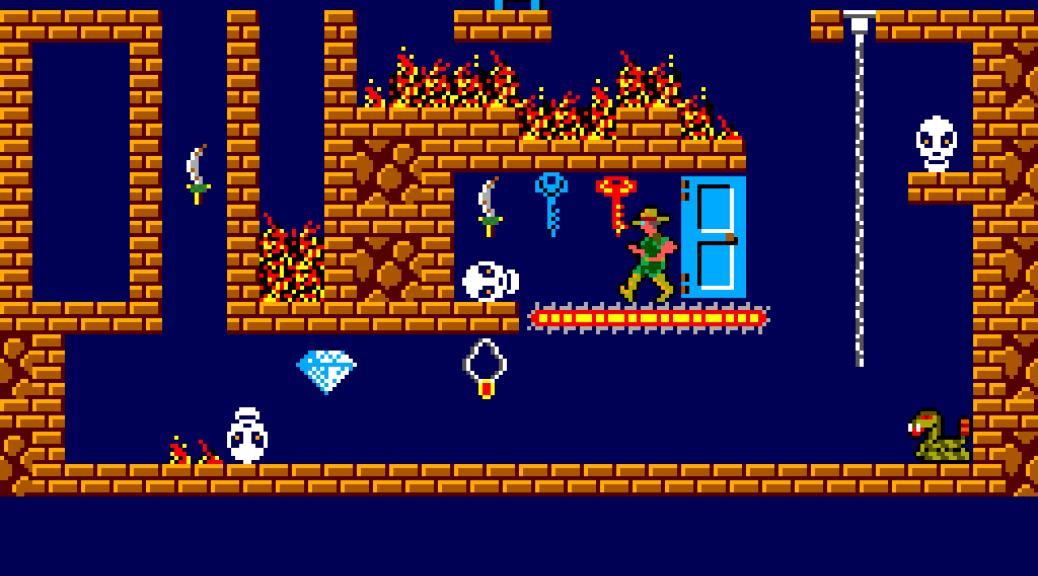
Montezuma’s Revenge, Sega Master System
Developed by Utopia Software and published for the Sega Master System in 1989, Montezuma’s Revenge is a nice surprise for anyone looking for a decent 8-bit ‘hidden gem’ to play now. It’s a remake of Robert Jaeger‘s classic platform game, but with updated graphics, making them look more realistic than the chunky versions seen in the Atari 8-bit original.
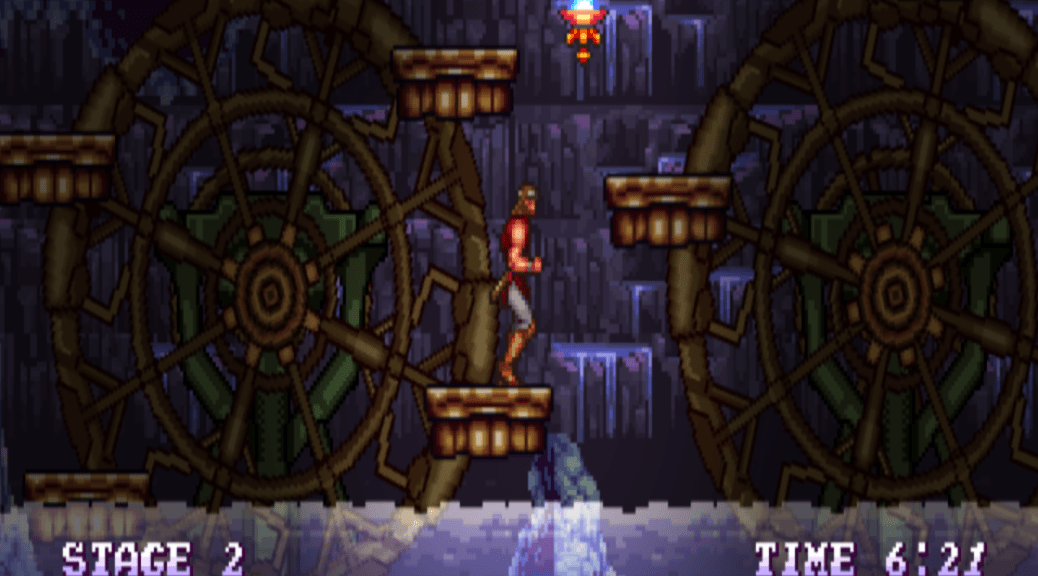
Castlevania: The Adventure ReBirth, Nintendo Wii
It’s a remake of Castlevania: The Adventure – originally released for the black and white Game Boy – except this time it’s been changed to look and play like something of a cross between an X68000 and a Super Nintendo Castlevania game. It could also be mistaken for a Castlevania arcade game. But it isn’t any of those.
Castlevania: The Adventure ReBirth is a WiiWare game for the Nintendo Wii. It was released only through the WiiWare service for a number of years. At the time of writing, I don’t think it’s currently available to buy and play anywhere legally, which is a pity because it’s superb.
Continue reading Castlevania: The Adventure ReBirth, Nintendo Wii

Rod Land, Amiga
The Amiga conversion of Rod Land is an enhanced port of the Jaleco arcade game from 1990. It features extra levels, extra animation, hidden features and bonuses, and glitch fixes. The conversion was done by Random Access and was published by Storm (a sub-label of The Sales Curve) in 1991.

Devilish: The Next Possession, Megadrive/Genesis
Devilish: The Next Possession (known in Japan as Bad Omen) is the Megadrive/Genesis sequel to the 1991 Game Gear game, Devilish. It was developed by Genki and first released in 1992.
Continue reading Devilish: The Next Possession, Megadrive/Genesis

Devilish, Game Gear

Shatterhand, NES/Famicom
Shatterhand is a scrolling action game in which you play a young police officer – called Steve Hermann – who has lost his arms and has had them replaced with enhanced, cybernetic limbs, and is in pursuit of a group of military renegades called “Metal Command“.
Shatterhand was developed by Natsume and originally published for the Nintendo Famicom by Angel under the title of “Tokkyū Shirei Soruburein” in 1991. That version of the game is based on the Japanese TV series “Super Rescue Solbrain“. The US and European versions, published by Jaleco, removed the licensed elements, changed the backstory, and re-titled the game as “Shatterhand” for Western audiences. One level was also completely changed – from a carnival level in the Japanese version, to a submarine level in the American version. The gameplay in both versions is identical, though.

Generations Lost, Megadrive/Genesis
Generations Lost is a scrolling platform action game for the Sega Megadrive/Genesis, developed by Pacific SoftScape and published by Time Warner Interactive in 1994. And it really is rather good, in spite of it not reviewing so well when it was first released.

