
Final Fantasy V (five) was released in Japan for the Super Nintendo in 1992 although it did not get an official English language translation until it was later re-released on the Sony PlayStation in 1999.
Tag Archives: snakes

Final Fantasy IV Advance, Game Boy Advance
In the mid Noughties Japanese developer Tose undertook the task of converting and updating the early Final Fantasy games to the Nintendo Game Boy Advance for Square Enix (as they were known then).

Final Fantasy IV, Super Nintendo
Looking a little primitive compared to the 2005 remake for the Game Boy Advance, this original, 1991 Super Nintendo adventure nevertheless is a pioneering game. It was the first Final Fantasy game released for the Super Nintendo (the previous three all being Famicom releases), and the first to use the “Active Time Battle” system.
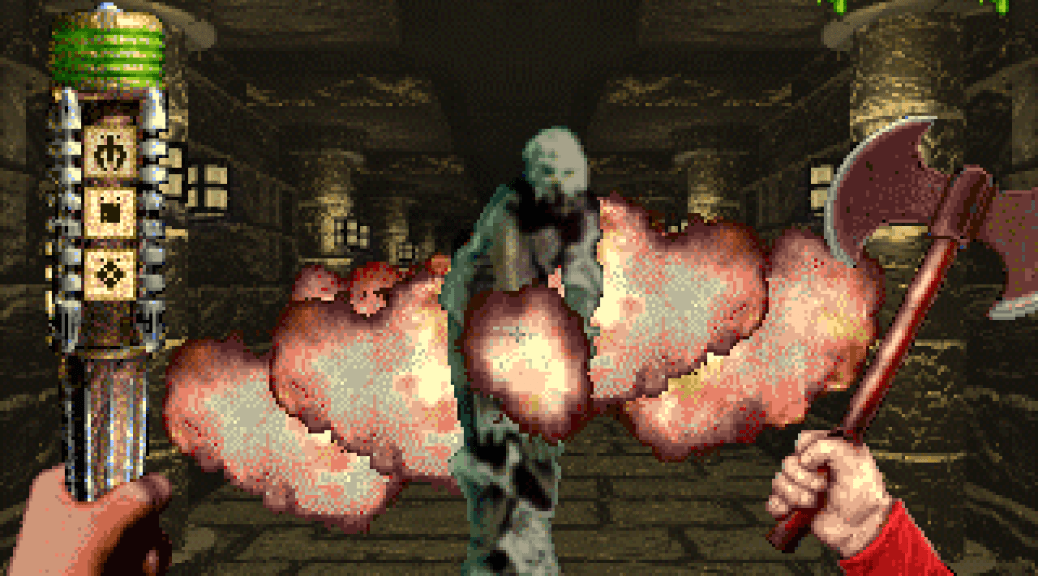
Stonekeep, PC
Stonekeep is a strange first-person Role-Playing Game, developed and published by Interplay Productions in 1995.

Final Fantasy I & II: Dawn of Souls, Game Boy Advance
Dawn of Souls is a GBA remake of the first two NES Final Fantasy games, and they take advantage of the Game Boy Advance‘s enhanced capabilities (enhanced over the NES, anyway).
Continue reading Final Fantasy I & II: Dawn of Souls, Game Boy Advance
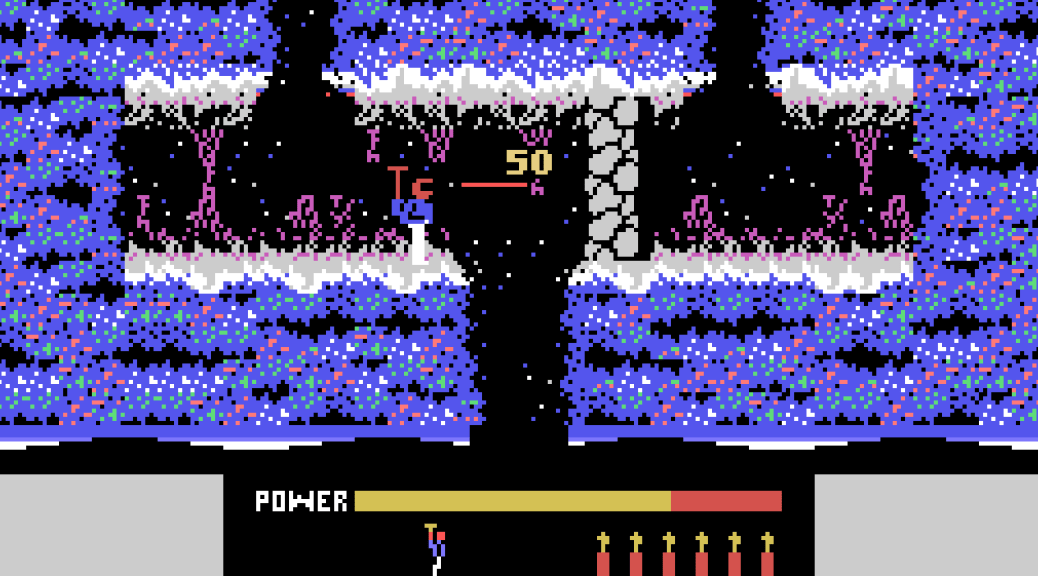
H.E.R.O., ColecoVision
The ColecoVision version of the classic rescue game, H.E.R.O., looks quite similar to the Commodore 64 version, in that: the graphics are a little rough around the edges.
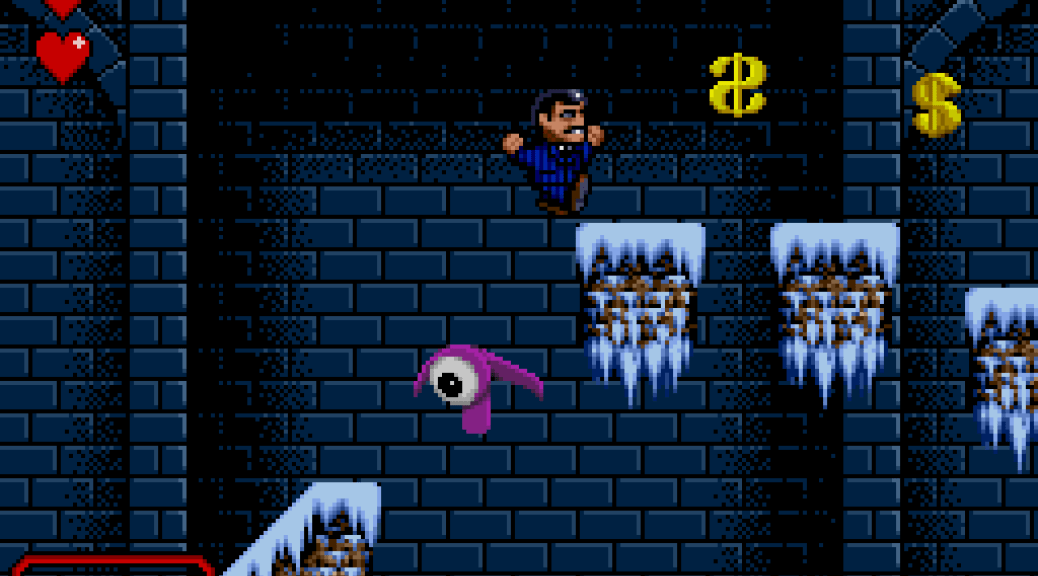
The Addams Family, Super Nintendo
Back in the early 1990s Ocean Software had a reputation for producing mostly movie-licensed action games, and The Addams Family on the Super Nintendo is arguably the pinnacle of that niche.
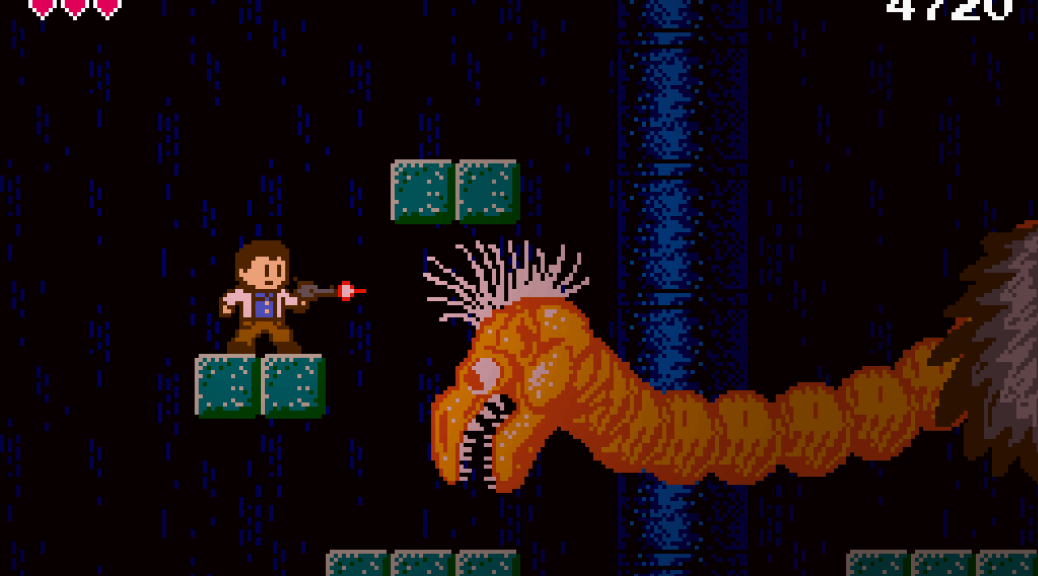
Manos: The Hands of Fate, PC
Now this is a game I never thought I’d ever get to play… A game based on arguably the worst film of all time. A film called Manos: The Hands of Fate (1966), and a film that is so bad that it has been known to reduce grown men to tears… And – believe it or not – I’ve sat though it twice. Yes: twice. Anyone who’s seen Manos: The Hands of Fate might want to congratulate me on that feat since sitting through the film twice requires a special kind of skill… Thankfully – as a lover and connoisseur of bad films – I have developed an immunity to [most of] them over the years, and it was with some excitement that I purchased this game on Steam and installed it…

For The Frog The Bell Tolls, Game Boy
Known in Japan as Kaeru no Tame ni Kane wa Naru, this intriguing monochrome adventure game was developed by Nintendo and Intelligent Systems and released on the original Game Boy in 1992.
While it never got a release outside of Japan, a fan translation into English was released in 2011, finally making the game playable for non-Japanese-speaking gamers.

Abu Simbel Profanation, ZX Spectrum
This 1985 release from Spanish company Dinamic Software is an obscure ZX Spectrum platform game about Egyptian tomb-raiding.

