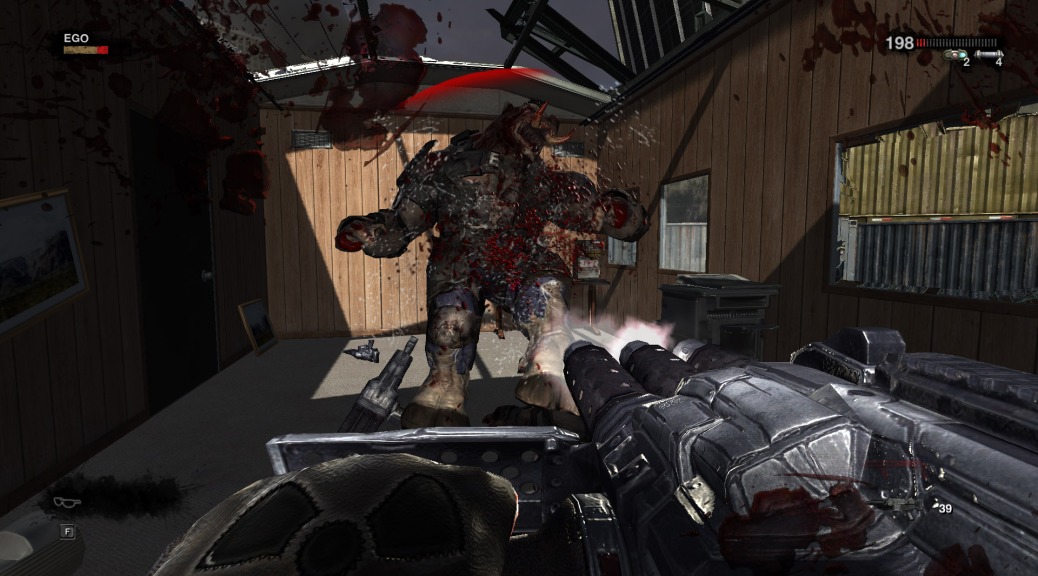
Duke Nukem Forever is the long-awaited sequel to Duke Nukem 3D that was in “development hell” for over a decade and was finally released in 2011. It was developed by 3D Realms and Gearbox Software (with contributions from Triptych Games and Piranha Games) and published by Take-Two Interactive. The game is a first-person shooter that satirises all-American action heroes, with over-the-top weapons, giant explosions, and puerile humour. Jon St. John once again returns to voice Duke himself.
Tag Archives: lighting effects

Ultima IX: Ascension, PC
Ultima IX: Ascension is the ninth and final instalment of the core Ultima series and was developed by Origin Systems and published for Windows-based PCs by Electronic Arts in 1999. It was the first Ultima game to use polygonal rendering in a full 3D environment.

Ultima VII: The Black Gate, Super Nintendo
The only version of Ultima VII: The Black Gate that is available for any system other than the PC is the Super Nintendo port, first released by FCI/Pony Canyon in 1994. It is a much simplified version of the game, but is still fun to play if you like old school RPGs.
Ultima VII Part Two: Serpent Isle, PC
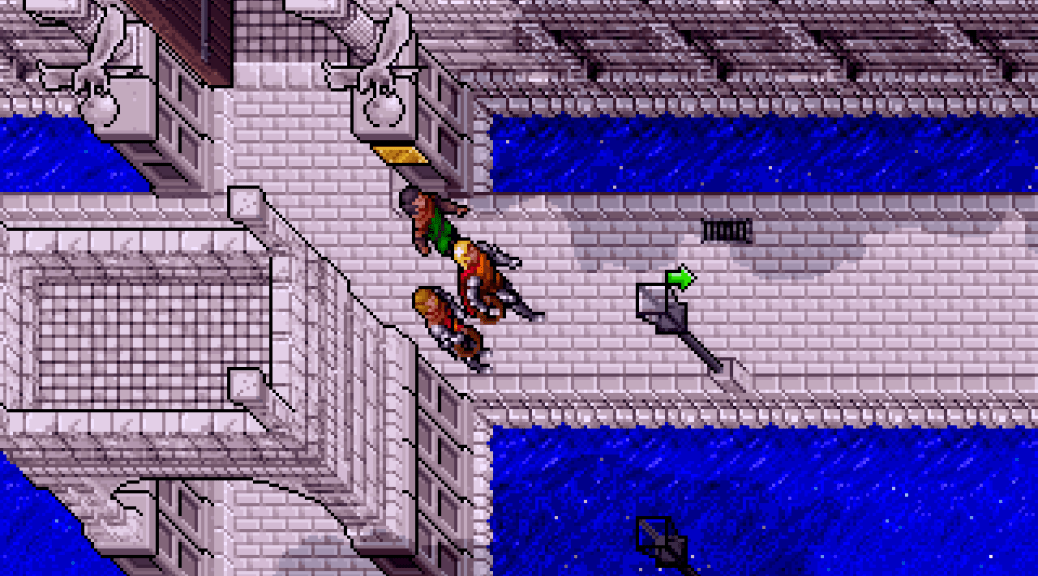
Serpent Isle is an oddity in the Ultima series in that it is a direct sequel to the previous game – Ultima VII: The Black Gate – which uses the same game engine, but with a few enhancements. It was published by Origin Systems in 1993 and only ever appeared on the PC, running under MS-DOS.

Ultima VII: The Black Gate, PC
Ultima VII: The Black Gate is the seventh game in the Ultima series and the first part of the “Age of Armageddon” trilogy, and was first released for PC MS-DOS by Origin Systems in 1992. The game is highly-rated among RPG fans and even series creator, Richard Garriott, describes Ultima VII as “the most masterfully-executed” of the Ultima series.
Fallout: New Vegas: Lonesome Road, PC
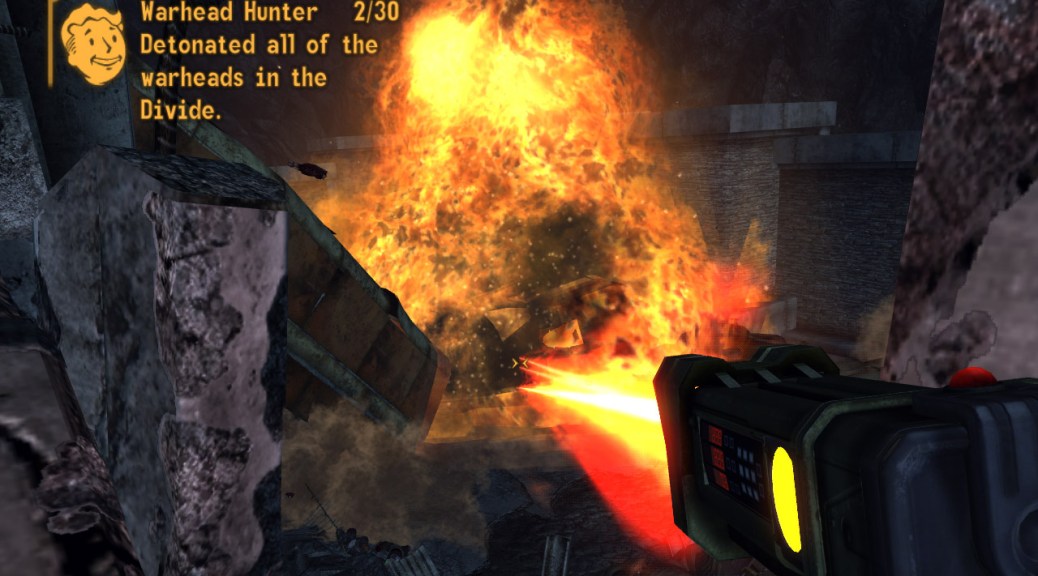
Lonesome Road is the fourth and final story-based DLC for the classic RPG/shooter, Fallout: New Vegas, and was first released in September 2011. It’s meant for players who are level 25 or higher and begins with you being contacted by the original Courier Six – a man called Ulysses – who promises to tell you important information about the Platinum Chip and why he refused to deliver it.
Fallout: New Vegas: Old World Blues, PC
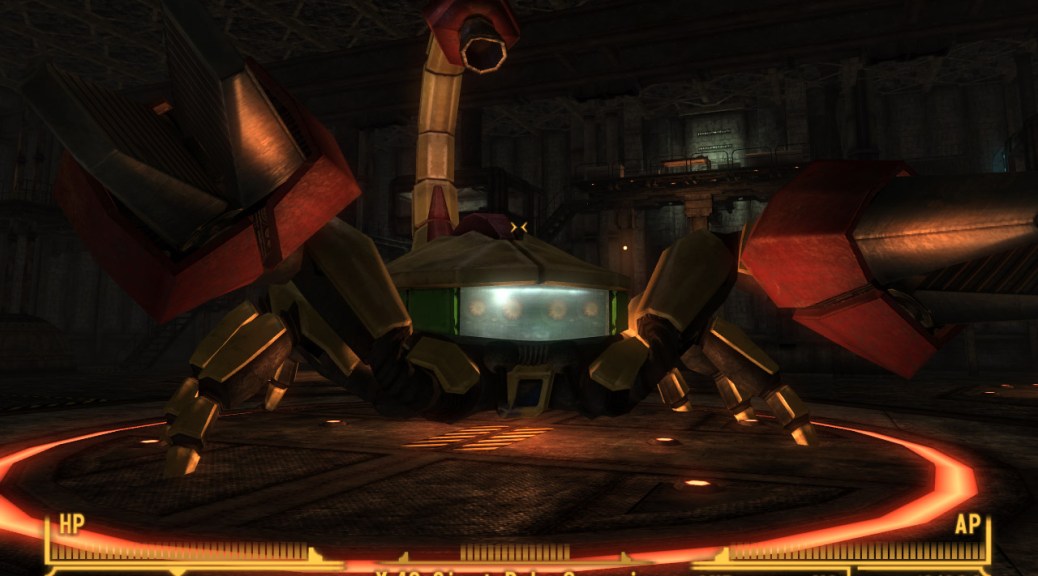
Old World Blues was the third story-based DLC to be released for Fallout: New Vegas and first came out on 19th July 2011. It is definitely the weirdest and funniest of the FNV DLCs and contains some hilarious dialogue, bizarre enemies, and strange settings, and it is considered by many Fallout: New Vegas players to be the best of the DLCs (I’d disagree, though – I think Dead Money is better).
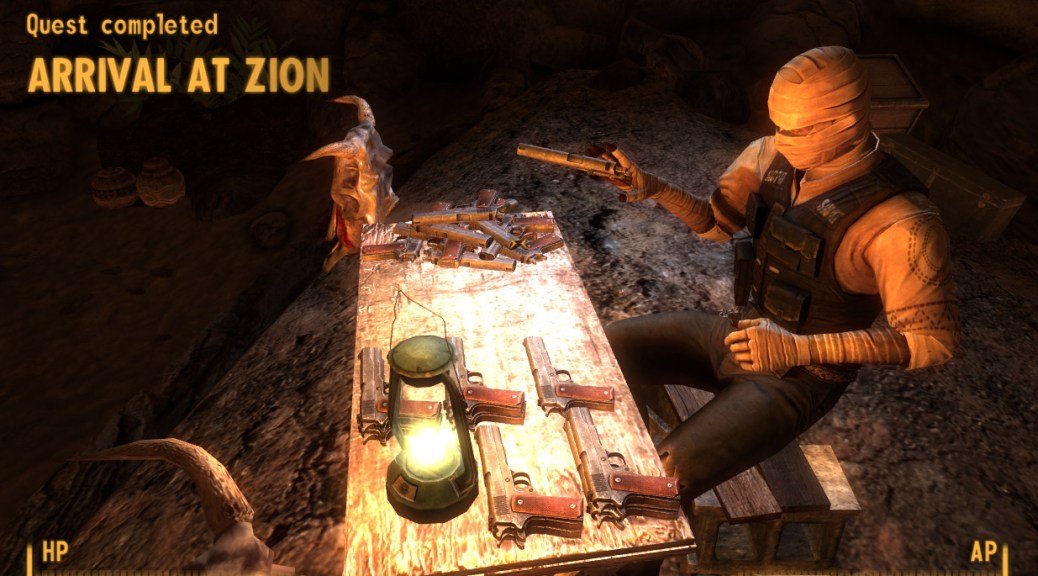
Fallout: New Vegas: Honest Hearts, PC
One of six DLCs released for Fallout: New Vegas, Honest Hearts was initially released in May 2011 and sees The Courier setting out on a trading expedition to Utah’s Zion National Park with the Happy Trails Caravan crew.

Fallout: New Vegas: Dead Money, PC
Dead Money is a DLC for Fallout: New Vegas that was first released in 2010 for the XBox 360, and later for PC and PlayStation 3 in 2011. It was one of six DLCs released for Fallout: New Vegas, and for my (dead) money it is by far the best.
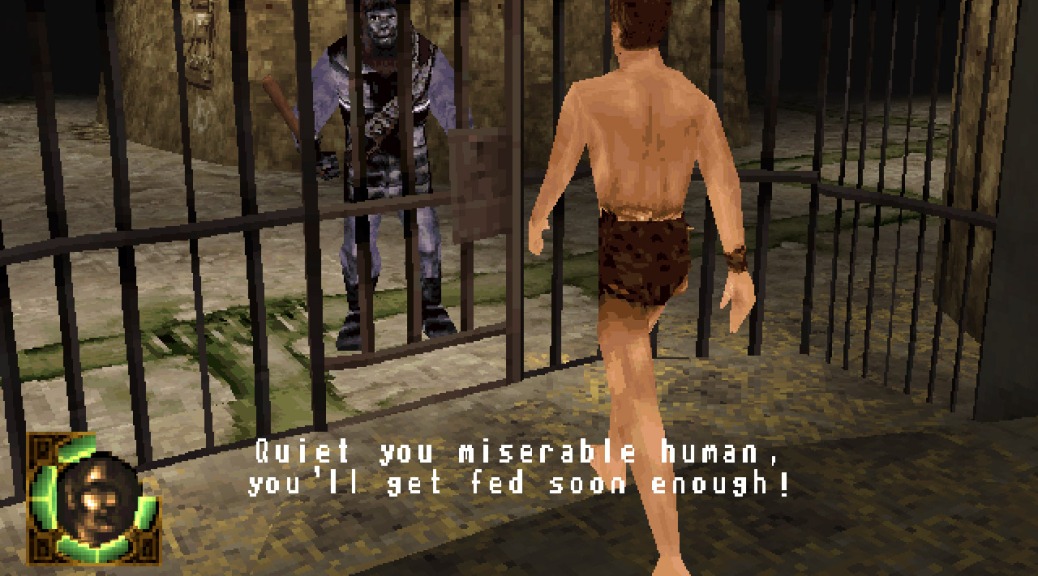
Planet of the Apes, PlayStation
The PlayStation version of Planet of the Apes was developed by French company Visiware and published by Ubisoft via Fox Interactive in 2002. The game was also released for Windows, and that version was released the previous year in 2001. It was actually the first video game ever to be based on the Planet of the Apes franchise. Although it is part of the same family of releases as the Game Boy Advance and Game Boy Color versions, it is a third-person 3D game and not a 2D platform game, like the handheld versions.
 The King of Grabs