
Crystals of Arborea is the predecessor to the Ishar series of games. It’s a first-person, tile-based RPG, with a character-based party system and turn-based combat.
Tag Archives: exploration
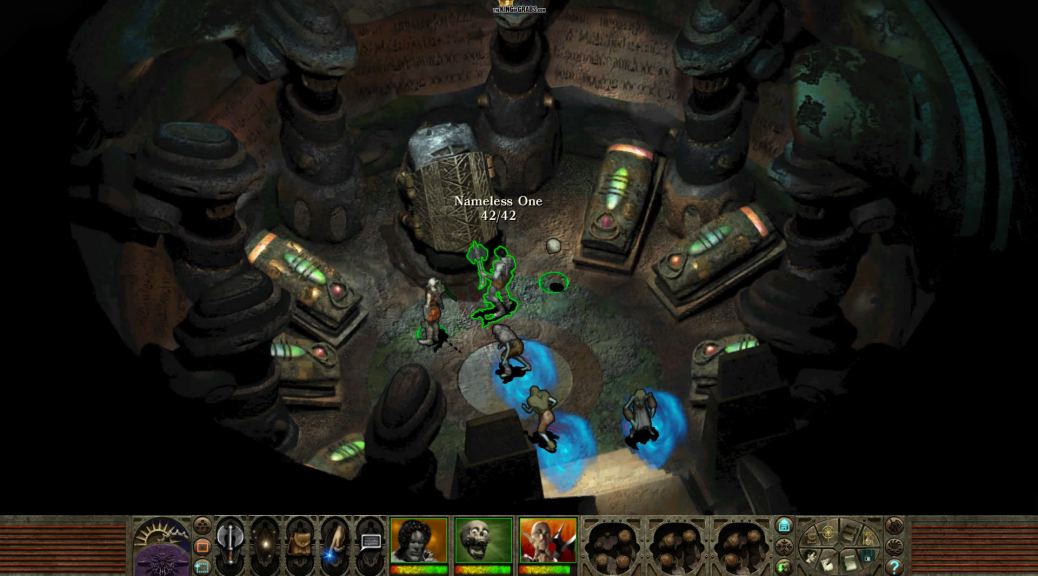
Planescape: Torment: Enhanced Edition, PC
Planescape: Torment is a highly regarded – if somewhat bizarre – Infinity Engine-driven level-grinder that was first released in 1999.
This new remake – released in 2017 – was developed by Beamdog, using the same enhanced engine as developed for their Baldur’s Gate remakes. Which is great in my opinion because the new engine is brilliant.

Icewind Dale II, PC
Icewind Dale II is an Infinity Engine-based RPG released by Interplay in 2002. This sequel was developed by Black Isle Studios and was the final game to be developed for the Infinity Engine.
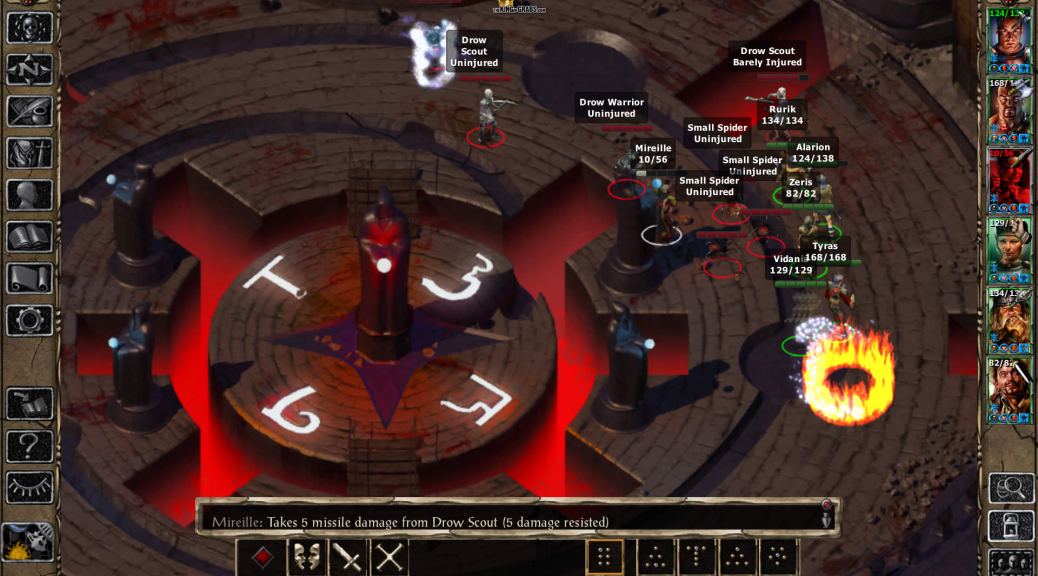
Baldur’s Gate II: The Black Pits II, PC
The Black Pits II: Gladiators of Thay is an arena combat-based add-on for the Baldur’s Gate II series, given away free with the Enhanced Edition in 2013.

Baldur’s Gate II: Throne of Bhaal, PC
The second of two Baldur’s Gate II titles, this one released by Interplay in 2001. Throne of Bhaal is a real-time Role-Playing Game, based on the BioWare Infinity Engine, and it completes the main plot of the Baldur’s Gate series of games.

Baldur’s Gate II: Shadows of Amn, PC
Part one of a two-part Baldur’s Gate II series, first published by Interplay in 2000. Shadows of Amn uses an updated version of the Infinity Engine to provide isometric, real-time combat and adventuring.
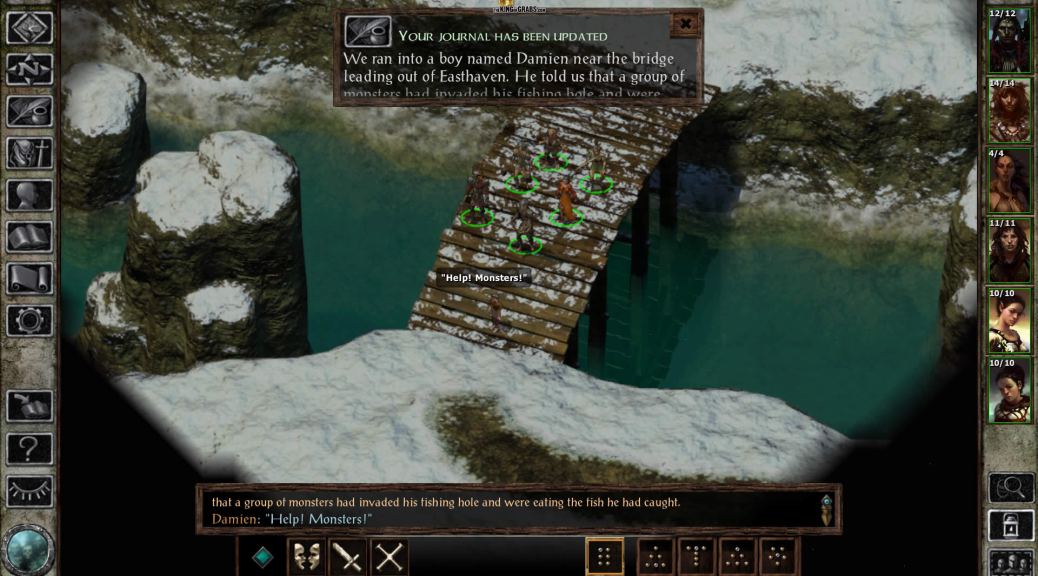
Icewind Dale: Enhanced Edition, PC
This Enhanced Edition of Icewind Dale brings the Infinity Engine up-to-date, with nice zooming and screen movement options, and clearer icons, so playing the game has never been easier or more fun than this.

Baldur’s Gate: Enhanced Edition, PC
When Canadian company Beamdog/Overhaul Games decided to remake the Baldur’s Gate games, they began by remaking BioWare‘s Infinity Engine – the engine that underpinned the entire series. Calling their new improved version the “Infinity Enhanced Engine“… (A snappy name, I’m sure you’ll agree…), they then set about importing all of the original assets from Baldur’s Gate; remaking stuff where necessary; and created a whole load of new content in the process themselves, eventually releasing it through Atari as Baldur’s Gate: Enhanced Edition in 2012.

Icewind Dale, PC
Icewind Dale is the second Infinity Engine-based RPG, developed by Black Isle Studios and released by Interplay in 2000. It is based on the Forgotten Realms campaign setting, with a 2nd Edition AD&D ruleset.

Baldur’s Gate, PC
Baldur’s Gate was the first game to use the BioWare Infinity Engine and was released by Interplay in 1998. It is set in the Forgotten Realms campaign setting, with a 2nd Edition AD&D ruleset, and is therefore a fantasy RPG adventure with castles, magic and monsters in the grand sense of the fashion.
 The King of Grabs