
I have to admit that, in spite of the slightly wonky graphics/cut scenes, I have a real soft spot for Gremlin Interactive‘s 1997 PC MS-DOS release, Realms of the Haunting. Mostly because I was lucky and got to visit Gremlin‘s offices in Sheffield to see the game in production, and to talk to the people who were making it. I drove all the way from Bournemouth – where I worked as a video games magazine editor – and spent an entire day there to preview the game for PC Power magazine.
Tag Archives: exploration

Final Fantasy VI Advance, Game Boy Advance
Final Fantasy VI Advance was released in Japan in 2006, and 2007 in English language territories. It’s a remake of the Super Nintendo original, developed by a Japanese company called Tose.

Final Fantasy VI, Super Nintendo
Final Fantasy VI (six) is where the series started to move away from its ‘cute’ roots and into darker story-telling territory, foreshadowing the distant Final Fantasy VII. It was initially released on the Super Nintendo in 1994.
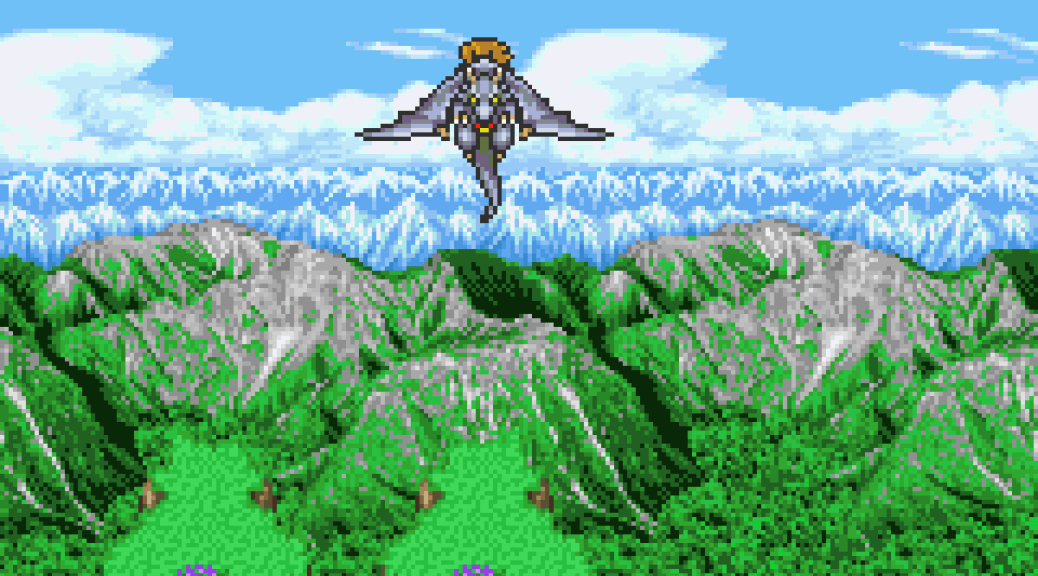
Final Fantasy V Advance, Game Boy Advance
Final Fantasy V Advance is the third Tose-developed remake for the Game Boy Advance and was first released in 2006.
Again: it uses the same refined interface and beautifully-drawn and coloured graphics of the previous two Tose remakes and somehow manages to make the Super Nintendo original look a little drab in the process.

Final Fantasy V, Super Nintendo
Final Fantasy V (five) was released in Japan for the Super Nintendo in 1992 although it did not get an official English language translation until it was later re-released on the Sony PlayStation in 1999.

Final Fantasy IV Advance, Game Boy Advance
In the mid Noughties Japanese developer Tose undertook the task of converting and updating the early Final Fantasy games to the Nintendo Game Boy Advance for Square Enix (as they were known then).

Final Fantasy IV, Super Nintendo
Looking a little primitive compared to the 2005 remake for the Game Boy Advance, this original, 1991 Super Nintendo adventure nevertheless is a pioneering game. It was the first Final Fantasy game released for the Super Nintendo (the previous three all being Famicom releases), and the first to use the “Active Time Battle” system.
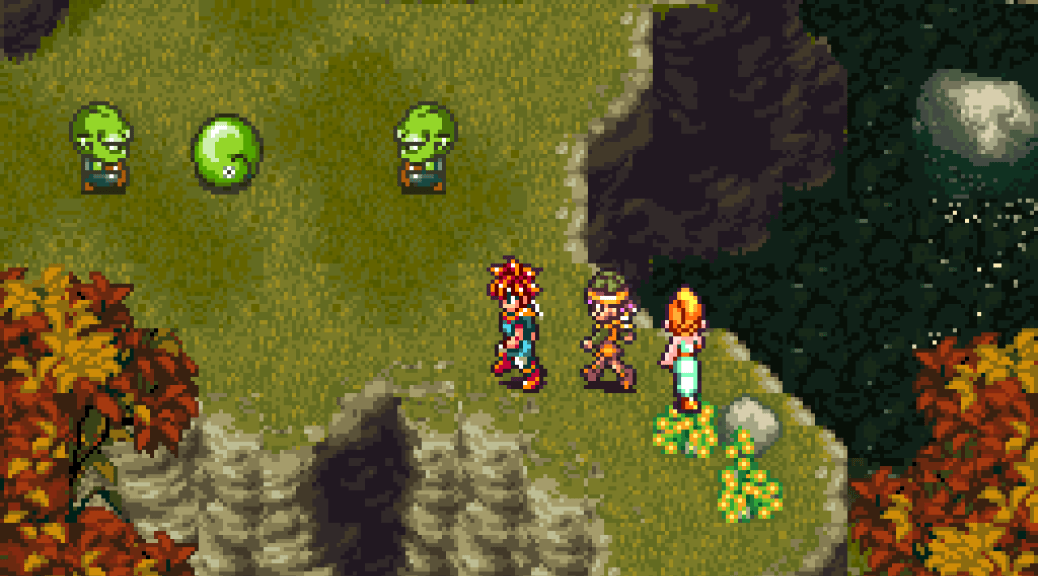
Chrono Trigger, Super Nintendo
Initially released for the Super Nintendo in 1995, Chrono Trigger is another top quality level-grinding RPG from those masters at Square – this one about a group of adventurers who travel through time to prevent a global catastrophe.

Secret of Mana, Super Nintendo
Although many people seem to dismiss Secret of Mana (known in its native Japan as Seiken Densetsu 2) – at least when compared to its superior sequel – it does still have quite a bit going for it.
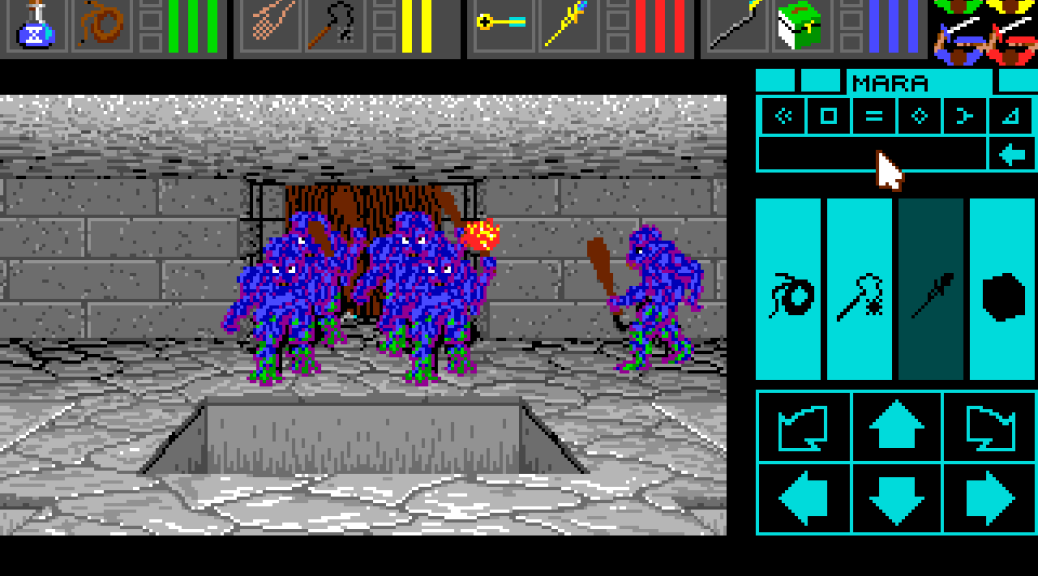
Dungeon Master: Theron’s Quest, PC Engine
Theron’s Quest is a modified version of the incredible Dungeon Master, released for the PC Engine in Japan in 1992 and the TurboGrafx-16 in North America in 1993.

