
I have said previously on this blog that no system is complete without a version of Hudson Soft‘s Bomberman, and the Megadrive has one in the form of Mega Bomberman.
Tag Archives: puzzles
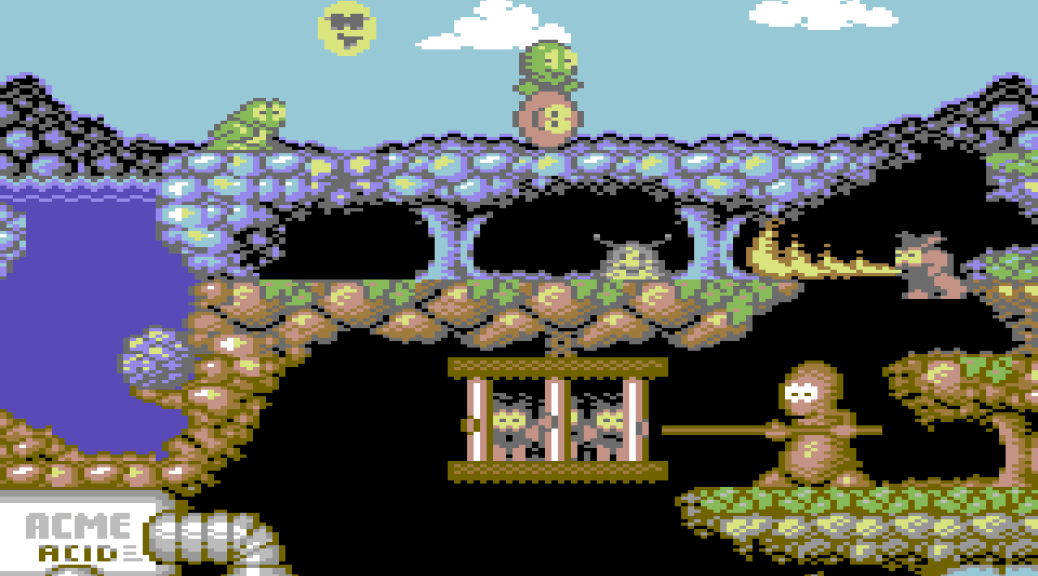
Creatures II: Torture Trouble, Commodore 64
Creatures II: Torture Trouble is the sequel to the brilliant Creatures. It was again created by John and Steve Rowlands and published by Thalamus, this time in 1992.
Continue reading Creatures II: Torture Trouble, Commodore 64

Alien 8, MSX
The MSX version of Ultimate‘s classic isometric action adventure, Alien 8, is almost identical to the ZX Spectrum original – including slowdown caused by sound effects playing and lots of on-screen movement.

Total Eclipse 2: The Sphinx Jinx, ZX Spectrum
Published by Incentive Software in 1991, Total Eclipse 2: The Sphinx Jinx is a direct follow-up to the 1988 Freescape classic, Total Eclipse.
Continue reading Total Eclipse 2: The Sphinx Jinx, ZX Spectrum

Total Eclipse, ZX Spectrum
The ZX Spectrum version of Total Eclipse was the first version of the game released.
Using the legendary Freescape Engine, Total Eclipse is an Egyptian-themed exploration/puzzle game set in a primitive 3D world. Primitive because it was one of the first ever games to allow games-players to explore a 3D world in this way, and it worked quite well, in spite of the low frame rate and slowdown.
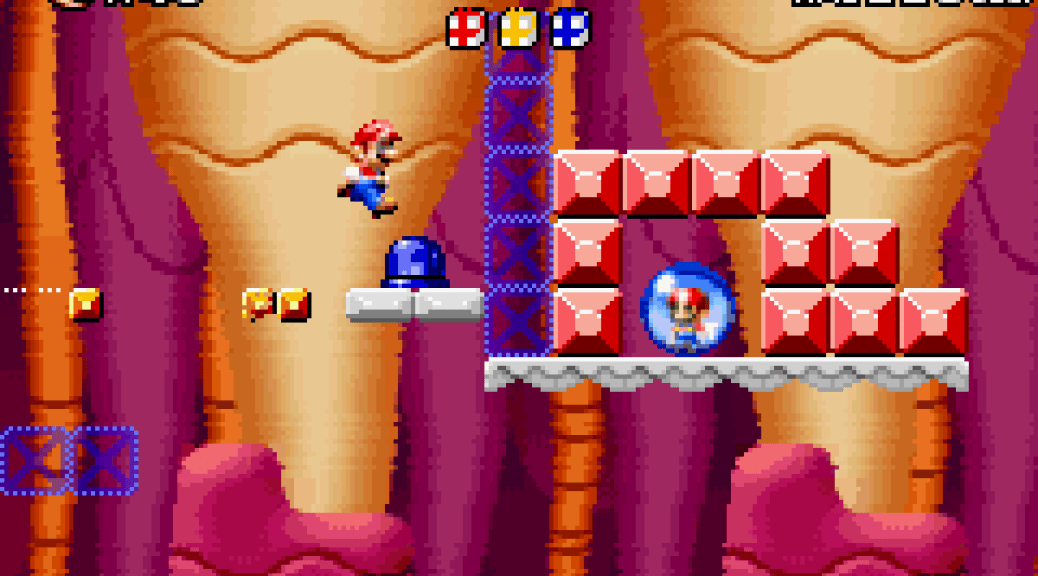
Mario vs. Donkey Kong, Game Boy Advance
Mario vs. Donkey Kong was released for the Game Boy Advance in 2004. It’s a platform-based puzzle game, combining elements from the Mario and Donkey Kong series.

Zoda’s Revenge: StarTropics II, NES
The 1994 sequel to StarTropics, Zoda’s Revenge again features the red-haired hero, Mike Jones, only this time he’s on a time-travelling adventure searching to find a series of puzzles shapes called “Tetrads”.
These Tetrads are actually a nod to Tetris, and in the Virtual Console re-release of StarTropics II their names have been changed to “Blocks”, probably to avoid any legal problems. But anyway, I digress…

StarTropics, NES
StarTropics is an action adventure game released by Nintendo in 1990. It was developed in Japan, but was only ever intended for released in North America and Europe, which is kinda weird, but that was the plan all along apparently…

Starion, ZX Spectrum
Starion is a classic space combat game, written by David Webb and published by Melbourne House in 1985.
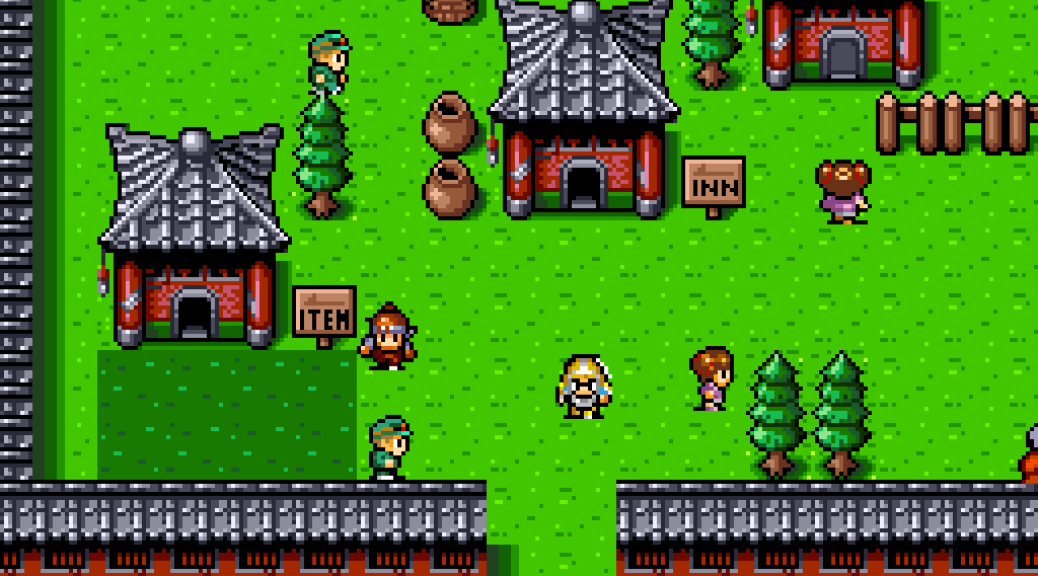
Super Ninja Boy, Super Nintendo
Super Ninja Boy is an action role-playing game developed by Culture Brain and released on the SNES in 1991 in Japan, and in 1993 in North America.
It’s a sequel to Culture Brain‘s previous title, Little Ninja Brothers for the NES, and it’s not a brilliant game the truth be told, but it does hold a special place in my heart because it was one of the first games I ever reviewed as games journalist.

