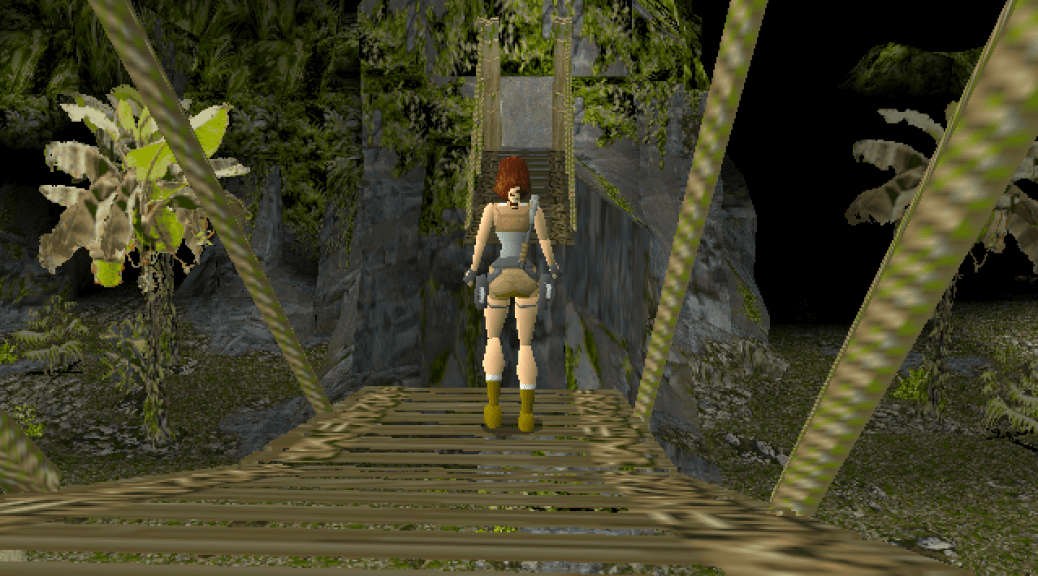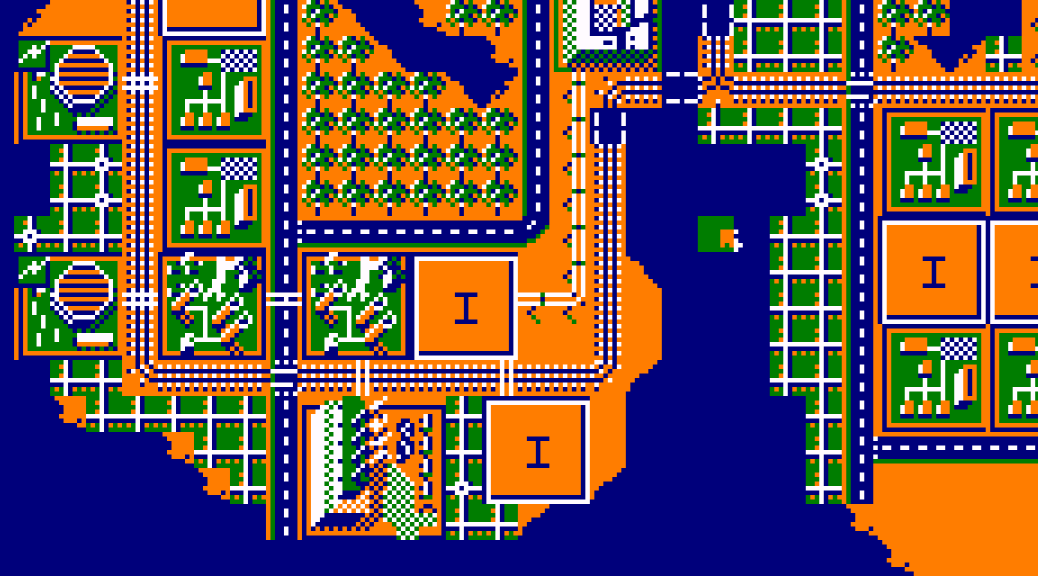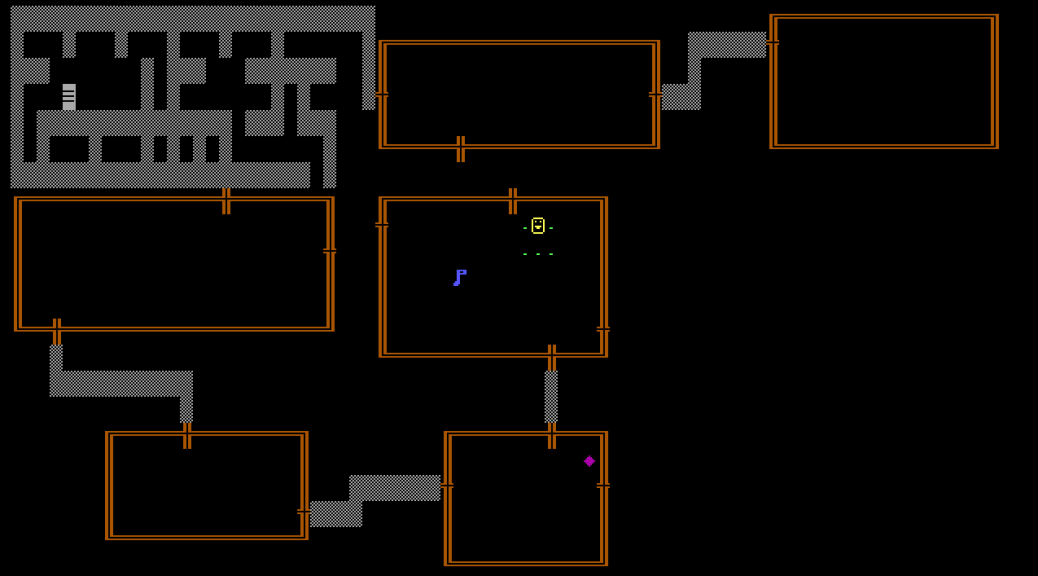
DMA Design‘s Grand Theft Auto III was where the GTA series really took off. It was released in October 2001 via Rockstar Games and took the series in a whole new direction, with a third-person street view perspective, rather than the overhead view of the previous two games.
Tag Archives: pioneering
Grand Theft Auto 2, PlayStation
The sequel to the notorious crime simulator, Grand Theft Auto, was developed by DMA Design and published by Rockstar Games in 1999. Grand Theft Auto 2 is more of the same overhead, scrolling car-stealing action, although this time it is a set in a futuristic metropolis known as “Anywhere City“, where three feuding gangs are competing to become the dominant crime syndicate in the city.
Grand Theft Auto, PlayStation
First released in 1997 for MS-DOS PCs, the first Grand Theft Auto laid the framework for the series as it’s become today, which is: one of the best-selling and most popular video game franchises of all-time. Not to mention one of the most controversial.
Grand Theft Auto was developed by Scottish company DMA Design and published by BMG Interactive in Europe and Take-Two Interactive in North America.
Amaurote, Amstrad CPC
Amaurote is an isometric action game, developed by Binary Design and published by Mastertronic in 1987. It first appeared on the ZX Spectrum and was later ported to the Amstrad CPC, and it suits the machine quite well.
SimCity, Amstrad CPC
The Amstrad version of SimCity is arguably better than the Commodore 64 original. It was converted to the Amstrad by Probe Software and published by Infogrames in 1989.
Dragontorc, Amstrad CPC
I didn’t know that Dragontorc existed on the Amstrad until recently and was pleasantly surprised to find out that it did. Dragontorc is one of my all-time favourite ZX Spectrum games and it translates well to the CPC, flickery graphics included.
Dragontorc was designed and programmed by Steve Turner (of Graftgold fame) and is a sequel to the game Avalon, both of which feature a levitating mage called Maroc on a quest to defeat the forces of evil.
Castle Master II: The Crypt, Amstrad CPC
Castle Master II: The Crypt is the sequel to the ghost-hunting Freescape game, Castle Master, and it was released by Domark in 1990 as part of a double pack with the first Castle Master. As far as I know it was never published as a stand-alone title.
The Crypt is the same as Castle Master in many respects, except that the puzzles and environments are obviously different. The controls and aims are the same as before: destroy the spirits before they destroy you; find keys to open doors, and loot the treasures inside a haunted crypt to score points as you go.
Castle Master, Amstrad CPC
Castle Master is a first-person 3D adventure game set in a haunted castle, where the aim is to destroy spirits before they overwhelm you. The game uses the famous Freescape engine, which was an early 3D engine for creating polygonal environments. It was developed by Incentive Software and first published by Domark in 1990.
Stunt Car Racer, Amstrad CPC
Geoff Crammond‘s incredible Stunt Car Racer was converted to the Amstrad CPC by Pete Cooke, the man responsible for classic ZX Spectrum hits Tau Ceti, Academy, and Brainstorm. It’s safe to say that Cooke did an immaculate job of bringing this ace racing game to the Amstrad in 1989.
Spindizzy, Amstrad CPC
I was always under the impression that Paul Shirley‘s classic Spindizzy originated on the Commodore 64 and was ported to other machines, but this interview with Shirley says that the game actually originated on the CPC and was ported to other systems. Since Paul Shirley coded the C64 version himself I had guessed that that was a logical assumption to make, but it now looks to be wrong.
The Amstrad version of Spindizzy – one of the best games ever made in my humble opinion – is pretty much perfect, with crisp, clean, detailed graphics and responsive controls.