
Paul Woakes‘ classic open-world cockpit exploration game, Mercenary, was ported to the 48K ZX Spectrum by David Aubrey-Jones and published by Novagen Software in 1987.
Tag Archives: pioneering

Frenzy, Arcade
Frenzy is an arcade maze/shooter from 1982 that was developed and published by Stern Electronics. It is the sequel to the 1980 arcade game, Berzerk, and features similar presentation and gameplay.
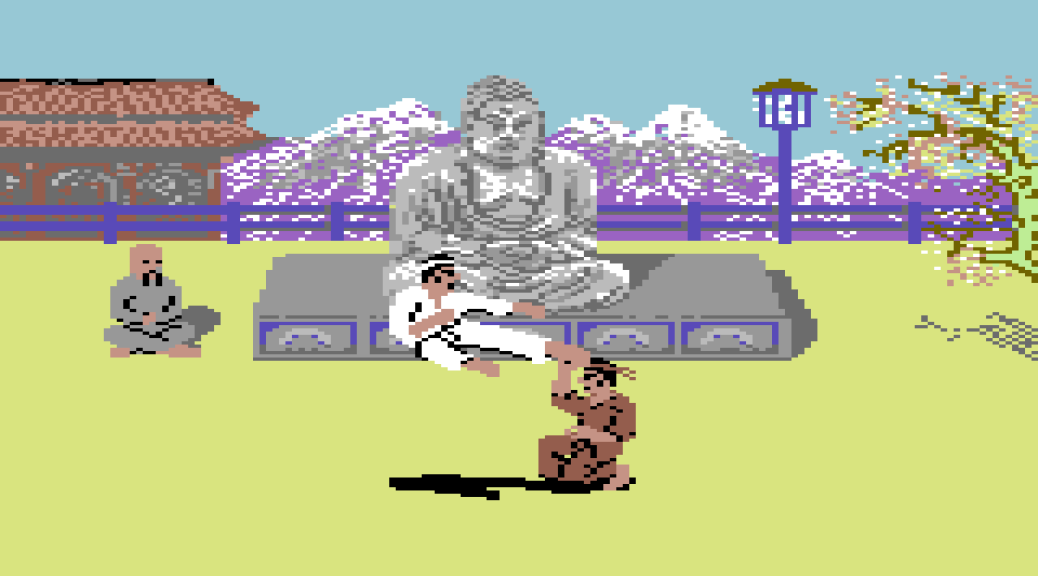
The Way of the Exploding Fist, Commodore 64
The Way of the Exploding Fist is a classic one-on-one martial arts fighting game, developed by Australian company Beam Software and published by Melbourne House in 1985.
Continue reading The Way of the Exploding Fist, Commodore 64
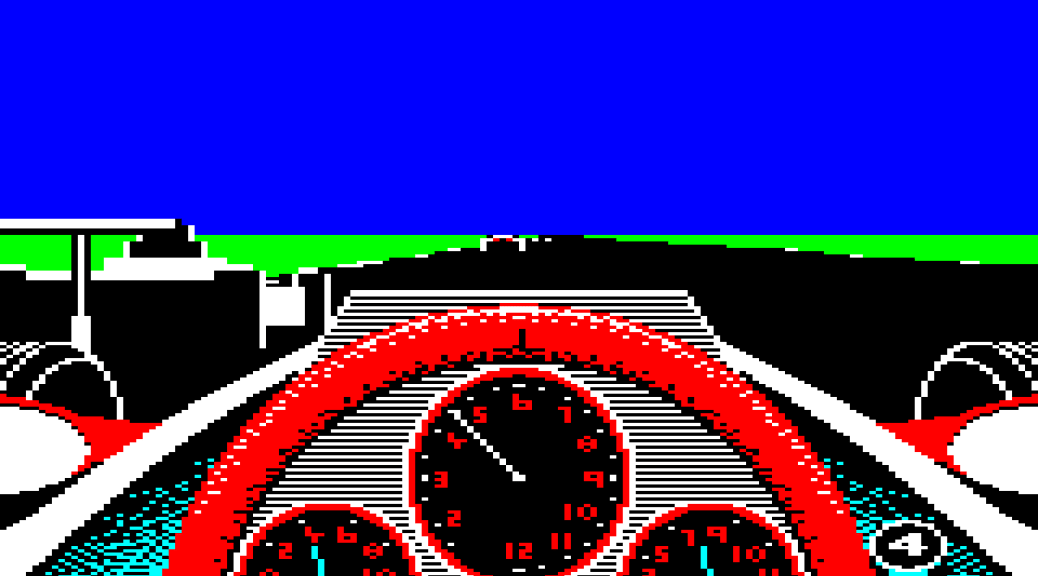
Revs, BBC Micro
Geoff Crammond‘s racing simulator, Revs, is an absolute classic on the BBC Micro. It was the first ever racing game made for home computers that focused on realism, and it still plays amazingly well to this day. Revs was first published by Acornsoft in 1985.
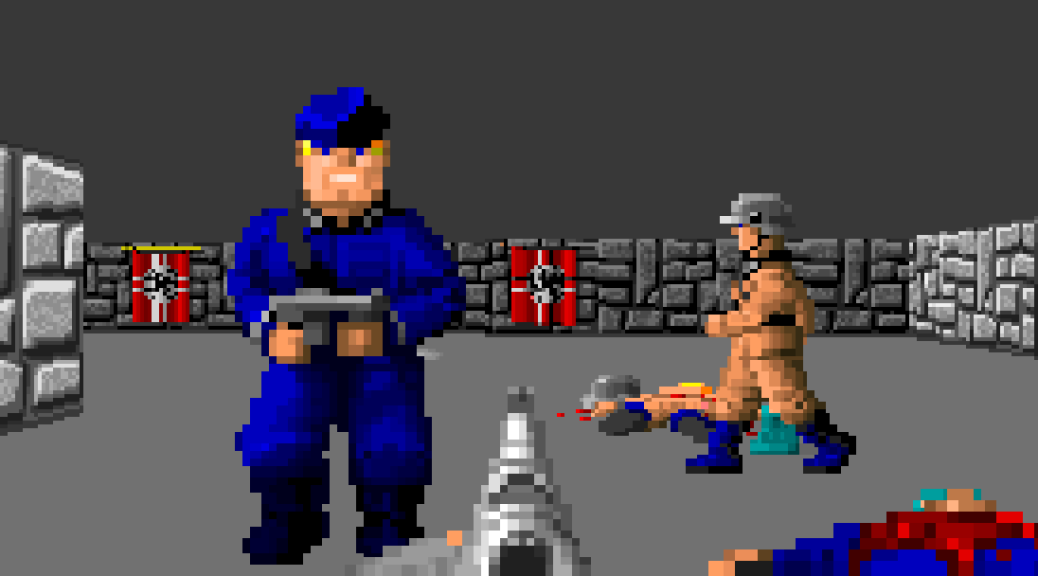
Wolfenstein 3D, PC
Wolfenstein 3D is an infamous first-person shooter, developed by id Software and published by Apogee Software in 1992. It is essentially a first-person remake of MUSE Software‘s overhead stealth game, Castle Wolfenstein, but with no stealth and lots of shooting.
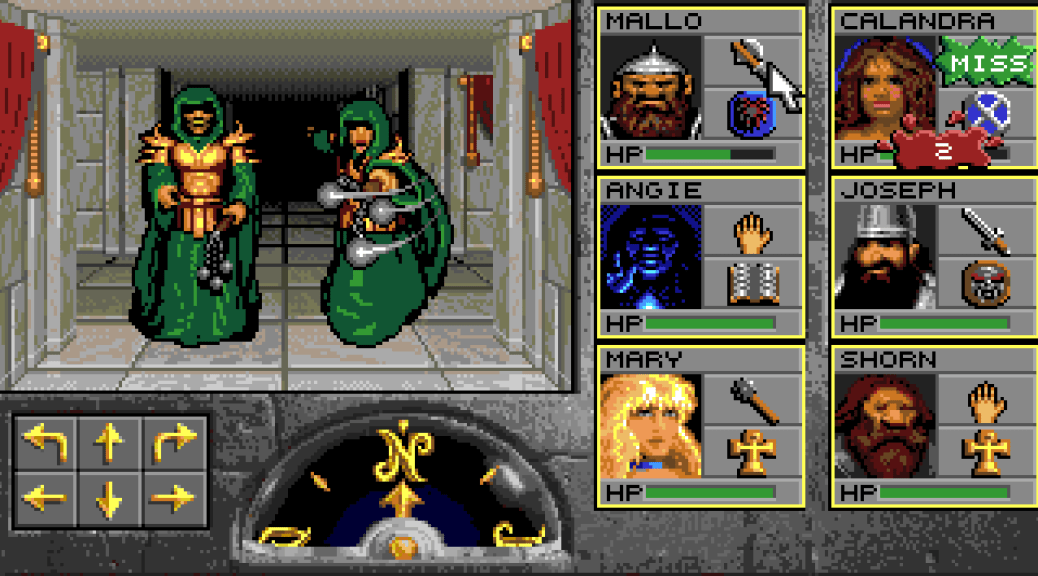
Eye of the Beholder II: The Legend of Darkmoon, Amiga
Eye of the Beholder II: The Legend of Darkmoon was once again developed by Westwood Studios (aka Westwood Associates) and first published by Strategic Simulations, Inc. in 1992. It is the sequel to the classic Eye of the Beholder, which came out the previous year.
Continue reading Eye of the Beholder II: The Legend of Darkmoon, Amiga

Eye of the Beholder, Sega CD

Eye of the Beholder, Amiga
Eye of the Beholder for the Amiga was developed by Westwood Studios and first published by SSI in 1991. I believe it came out at the same time as the MS-DOS version, so is one of the original versions. And it truly is a brilliant game.
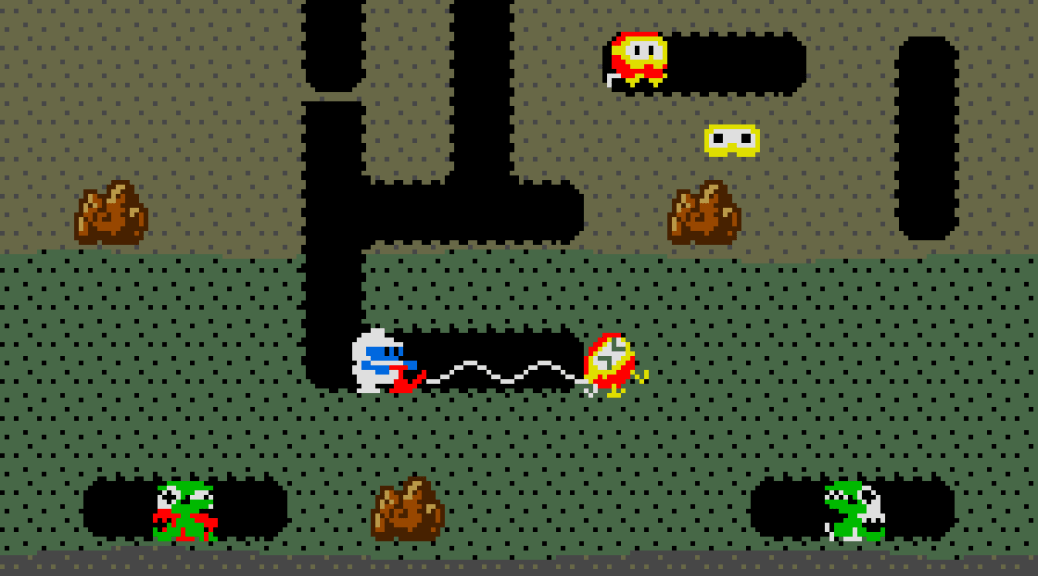
Dig Dug, Arcade
Dig Dug is a cute arcade digging game from Namco that was a cult hit during the early to mid-1980s. It was first distributed into arcades in 1982 and was much cloned by other game developers, and was also officially ported to many home systems of the time, including for the Atari 2600 and Mattel Intellivision (among many others).

Katamari Damacy, PlayStation 2
Katamari Damacy – meaning “clump spirit” – is a third-person action game that involves rolling-up items onto a ball called a ‘Katamari‘. You play as ‘The Prince‘ – a small, green boy who is the son of ‘The King of All Cosmos‘ and who pushes the Katamari around the landscape, making items stick to it, which in turn makes it grow in size. The aim of the game is roll-up a Katamari of a certain size in each of the game’s various levels.
 The King of Grabs