Tag Archives: elevators

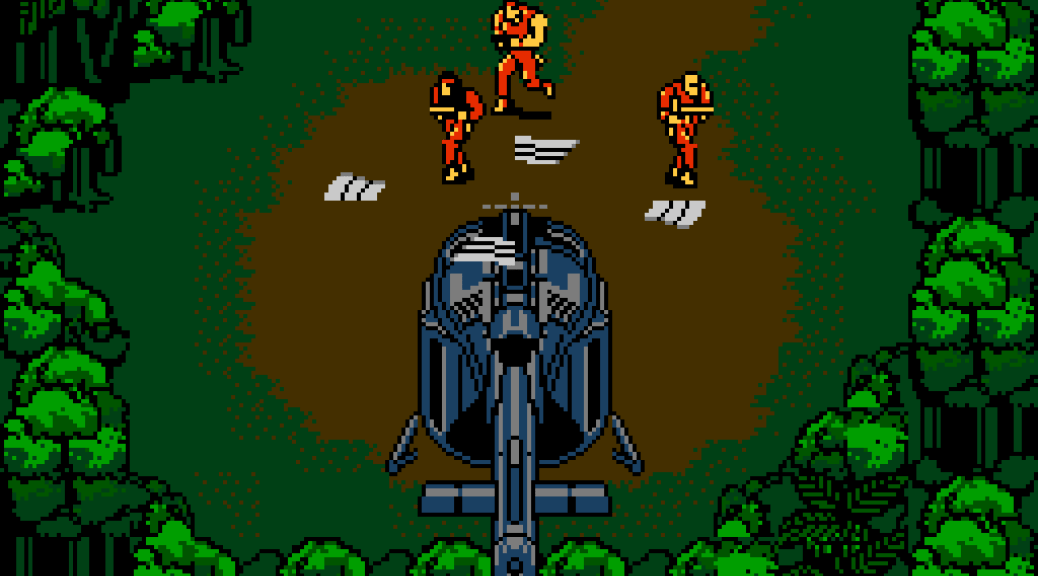
Snake’s Revenge, NES

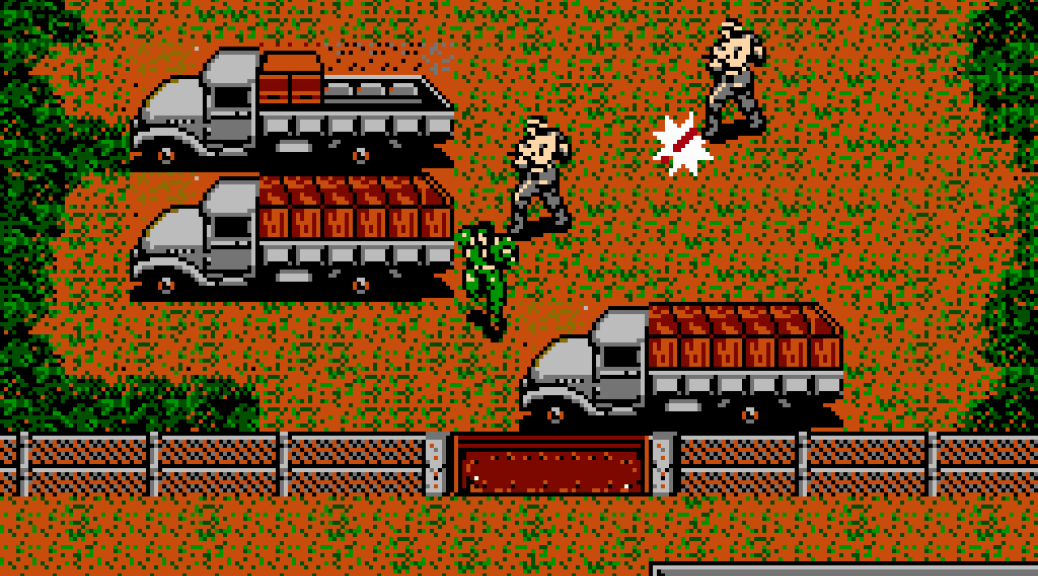
Snake’s Revenge is a sequel to Metal Gear that was developed specifically for the North American and European NES markets by Konami and Ultra Games. It first came out in North America in 1990, and in Europe in 1992. Why there was a two-year gap between those releases is anyone’s guess.

Hideo Koijima wasn’t involved in the making of Snake’s Revenge and it is considered ‘non-canonical’, but he did make Metal Gear 2: Solid Snake for the MSX in response to it. I’m guessing that he wasn’t particularly enamoured with the idea of another team working on his signature series, but ultimately he (rather diplomatically) says that Snake’s Revenge is “not a bad game“.
Continue reading Snake’s Revenge, NES →

Metal Gear, NES

This reworked Nintendo Entertainment System port of the MSX version of Metal Gear first came out in 1987 (1988 in North America), just three months after the original. While it’s considered (rightly) to be inferior to the original MSX version it was a major hit and went on to sell over a million units in the United States alone.

Continue reading Metal Gear, NES →

Metal Gear, MSX

The very first Metal Gear was originally released in 1987 by Konami for the MSX2. It was Hideo Koijima‘s first fully-developed game and went on to spawn a successful series across many platforms. The hero, Solid Snake, has since gone on to become a video game icon.

Continue reading Metal Gear, MSX →

Ganbare Goemon Kirakira Dōchū: Boku ga Dancer ni Natta Wake, Super Nintendo

Also known (in English) as: “Go for it! Goemon: The Twinkling Journey – The Reason I Became a Dancer“, this fourth instalment of the much-loved Goemon [Super Nintendo] series is about as crazy, challenging and fun as a video game can be.

Many feel that this final Goemon game on the Super Nintendo is the best in the series, so it’s great that it’s finally been given an (unofficial) English translation. The game follows the same pattern as previously, with isometric exploration sections, interspersed with side-scrolling platform/action sections.

Continue reading Ganbare Goemon Kirakira Dōchū: Boku ga Dancer ni Natta Wake, Super Nintendo →

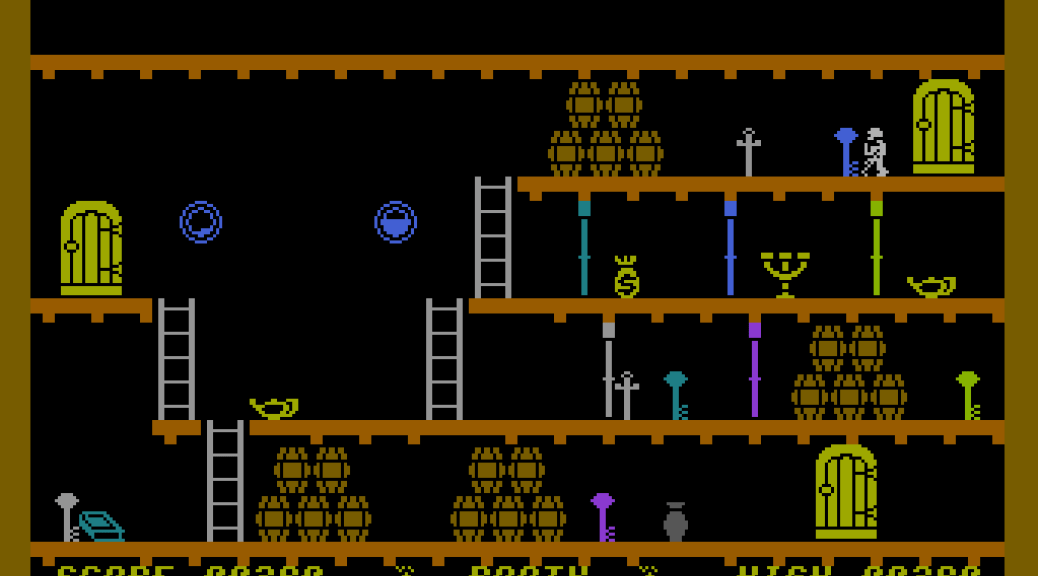
Booty, Commodore 16/Plus4

A 1986 conversion of a hit ZX Spectrum budget game, the Commodore 16 conversion of John F. Cain‘s Booty is about as bad as a video game can get.

The game constantly dumps unfairness on you, and is about as entertaining as being crawled on by a Brazilian Wandering Spider.

Continue reading Booty, Commodore 16/Plus4 →

Ganbare Goemon 3: Shishijyūrokubei no Karakuri Manji Katame, Super Nintendo

The second sequel to the wonderful Legend of the Mystical Ninja, Ganbare Goemon 3: Shishijyūrokubei no Karakuri Manji Katame was again only ever released in Japan and was recently given a fan translation, allowing English-speaking audiences to finally enjoy it.

Continue reading Ganbare Goemon 3: Shishijyūrokubei no Karakuri Manji Katame, Super Nintendo →

Toejam & Earl, Megadrive/Genesis

Developed by Johnson Voorsanger Productions for Sega and published on the Megadrive in 1991, Toejam & Earl is a cult collect ’em up starring two alien rappers who have crash-landed on Earth.

Continue reading Toejam & Earl, Megadrive/Genesis →

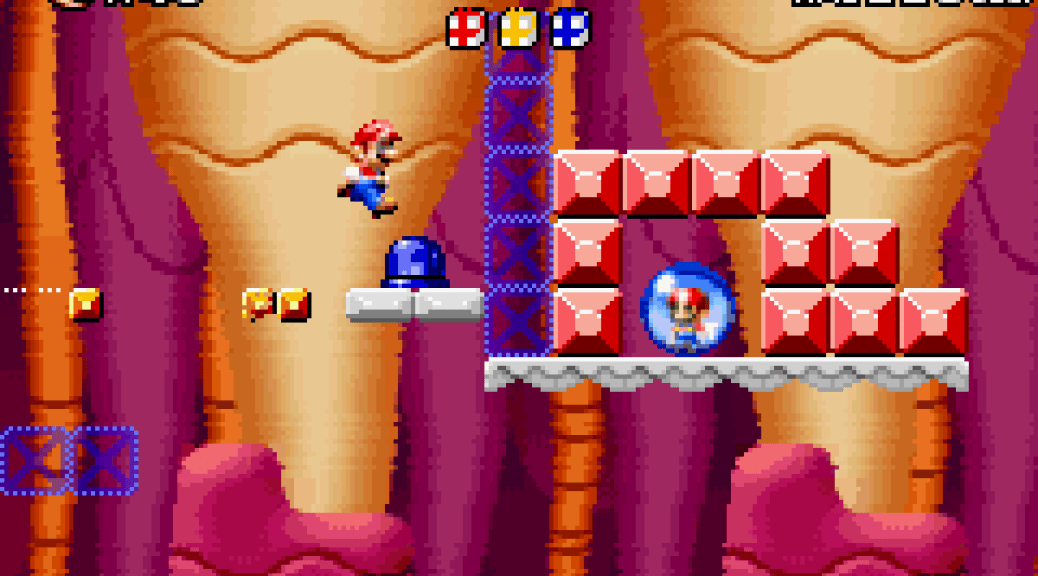
Mario vs. Donkey Kong, Game Boy Advance

Mario vs. Donkey Kong was released for the Game Boy Advance in 2004. It’s a platform-based puzzle game, combining elements from the Mario and Donkey Kong series.

Continue reading Mario vs. Donkey Kong, Game Boy Advance →

Metroid: Zero Mission, Game Boy Advance

There are two Metroid games on the Game Boy Advance. One is an original game, called Metroid Fusion, and there’s also this one: Metroid: Zero Mission, which is a remake of the original Metroid.

It was first released in 2004 and features modernised graphics and gameplay, but the same core gameplay as the 1986 original.

Continue reading Metroid: Zero Mission, Game Boy Advance →

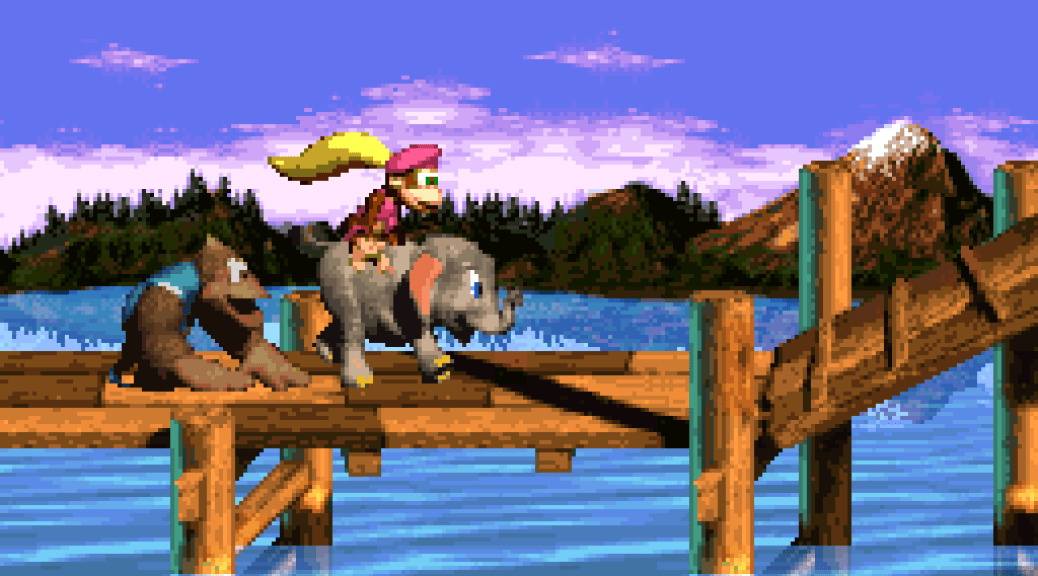
Donkey Kong Country 3: Dixie Kong’s Double Trouble, Super Nintendo

The third Donkey Kong Country game was first released in 1996. It was again developed by Rare and published by Nintendo. This one featuring Dixie Kong and her cousin Kiddy Kong.

Continue reading Donkey Kong Country 3: Dixie Kong’s Double Trouble, Super Nintendo →