
Ultima III: Exodus is the third game in the Ultima series and the final instalment in the “Age of Darkness” trilogy. It was the first Ultima game that was published by Origin Systems and first came out for the Apple II in 1983. Ultima III was also the first game in the Ultima series where you controlled a party of characters, rather than a single hero, and the first Ultima game to use a line of sight/fog-of-war mechanic, meaning that anything that wasn’t directly within viewing distance was hidden from the player.
Tag Archives: skeletons
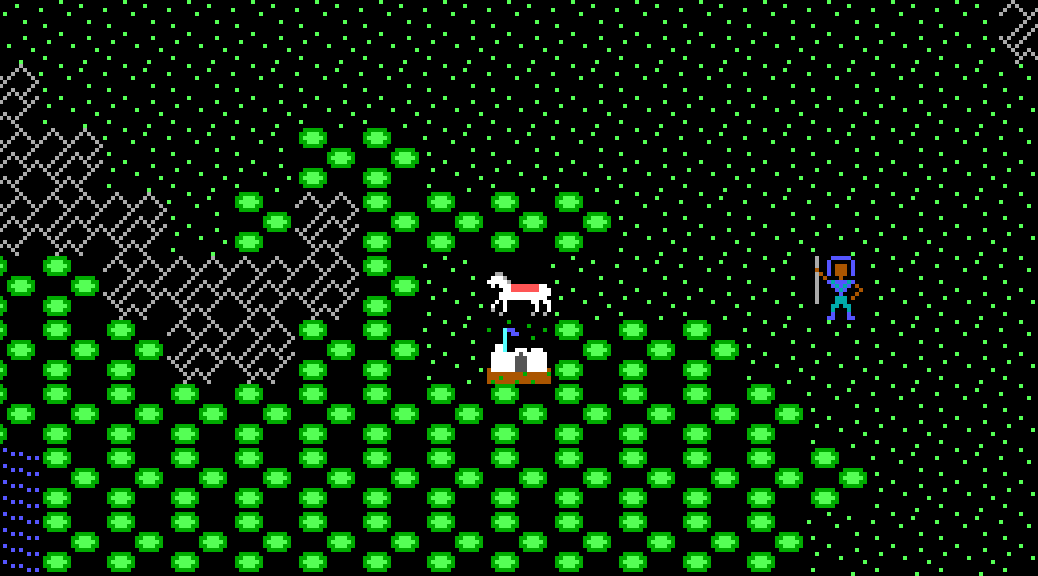
Ultima I: The First Age of Darkness, PC
The first game in the Ultima series was initially released for the Apple II in 1981 by California Pacific Computer and was later completely re-coded and re-named as “Ultima I: The First Age of Darkness” for a re-release through Origin Systems. The 1987 MS-DOS re-code – shown here – is still available to buy as part of an Ultima 1+2+3 package on GOG.com (at the time of writing).

Ultima I: The First Age of Darkness, Commodore 64
Although the first Ultima game was an Apple II original, the Commodore 64 version of this early RPG is arguably the best-known. Re-made and released in 1986, the C64 version of Ultima [one] features colourful graphics and absorbing gameplay that is pretty much identical to the Apple II remake.
Continue reading Ultima I: The First Age of Darkness, Commodore 64
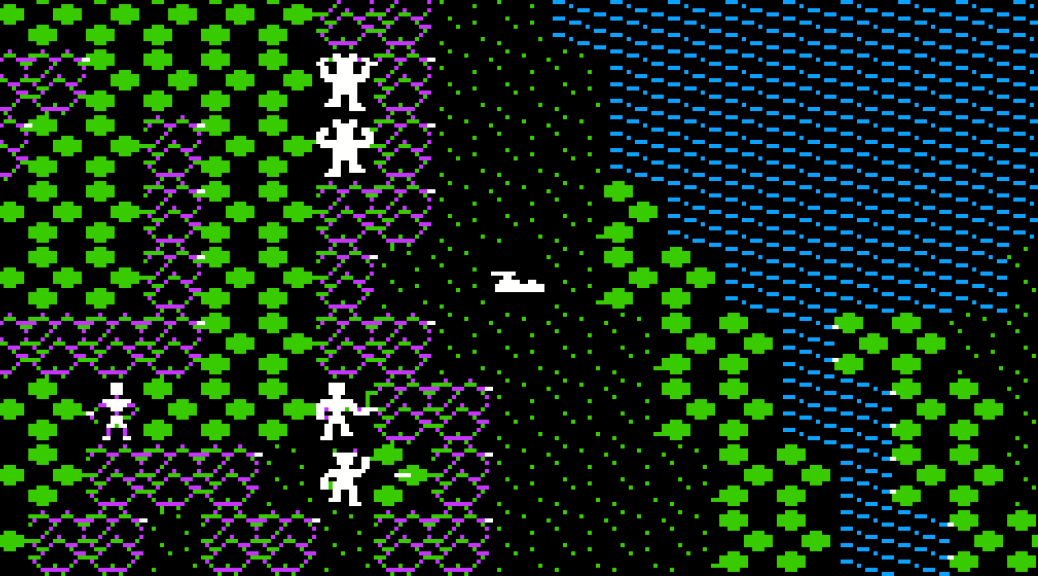
Ultima I: The First Age of Darkness, Apple II
This first game in Richard Garriott‘s Ultima series was initially released for the Apple II in 1981 by California Pacific Computer and was originally called just “Ultima“. It was later re-named as “Ultima I: The First Age of Darkness” when it was re-made and re-released by Origin Systems in 1986. This 1986 re-code features improved graphics and gameplay, with a number of significant changes made to bring the game up-to-date with market conditions in the mid 1980s, and that is the version I’m featuring here. If you want to see the original 1981 version (and an explanation of how to play the game), click here.
Continue reading Ultima I: The First Age of Darkness, Apple II

Ultima, Atari 8-Bit
Released in 1983 by Sierra On-Line, Ultima on the Atari 8-bit is more archaic and frustrating than the original Apple II version. And it looks pretty awful too, with a real lack of colour – especially in towns where the game is in monochrome unless you play on a machine (and monitor) that supports “artifacting“. In artifacting mode the dungeon and town graphics look similar to Apple II graphics, but they don’t really take advantage of the Atari‘s superior graphics capabilities.

Ultima, Apple II
The original 1981 Apple II version of Richard Garriott‘s Ultima was the first version of Ultima ever released. It was published by California Pacific Computer and is a stripped-down version of the more widespread re-release version put out by Origin Systems in 1986 (which can be seen here).
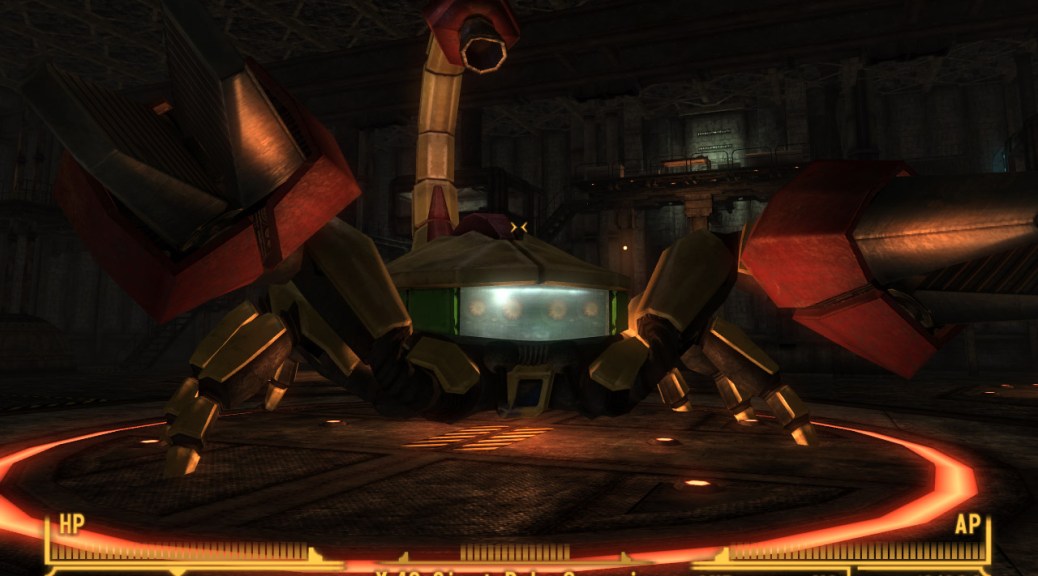
Fallout: New Vegas: Old World Blues, PC
Old World Blues was the third story-based DLC to be released for Fallout: New Vegas and first came out on 19th July 2011. It is definitely the weirdest and funniest of the FNV DLCs and contains some hilarious dialogue, bizarre enemies, and strange settings, and it is considered by many Fallout: New Vegas players to be the best of the DLCs (I’d disagree, though – I think Dead Money is better).
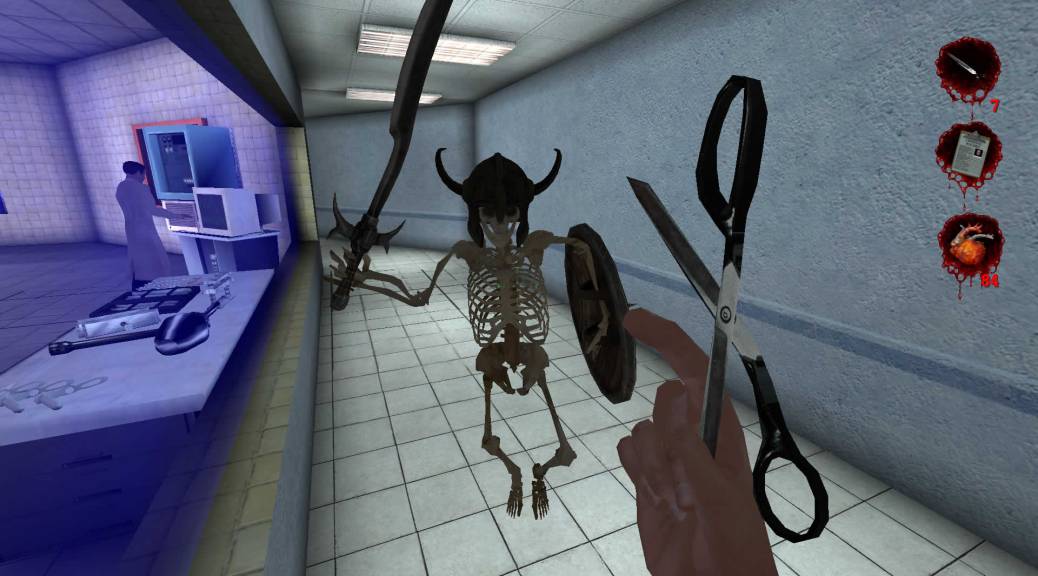
Postal 2, PC
This utterly reprehensible (but fun) first-person shooter was developed by Running With Scissors and first published by Whiptail Interactive in 2003. It is the sequel to 1997’s highly controversial Postal and takes the concept of “going postal” to another level of stupidity and mayhem. Postal 2 is the kind of game that was made to please “edgelords” (some would call them “w*nkers“) and piss off politically correct liberals, and it satirises people in a way that few other games have ever dared to.
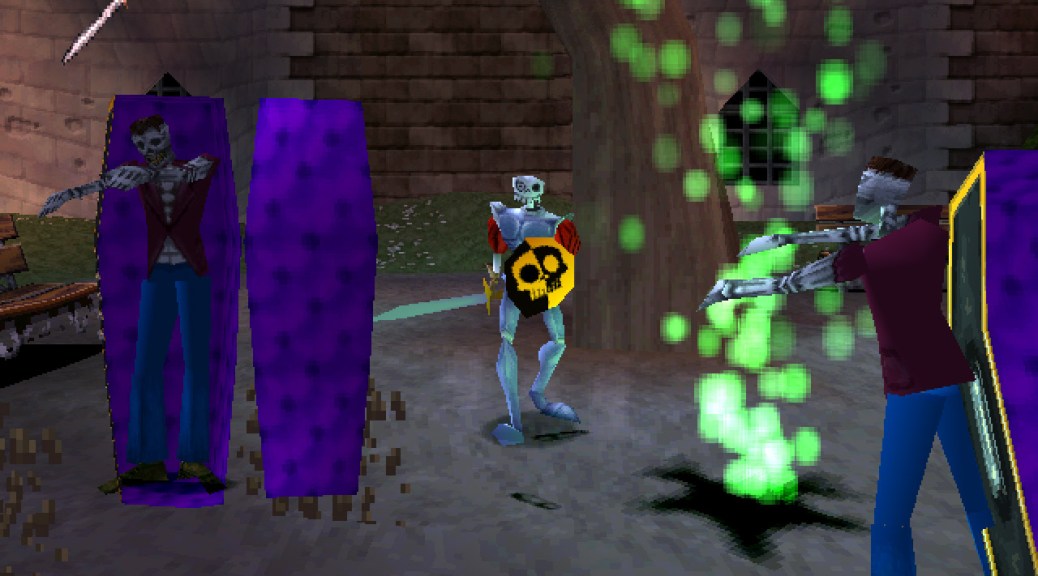
MediEvil 2, PlayStation
MediEvil 2 is the sequel to the classic PS1 game, MediEvil, and is the return of the skeleton warrior, Sir Daniel Fortesque. The game is this time set in Victorian England where Sir Dan must combat monsters and animated skeletons, resurrected by a meddling sorcerer who is trying to resurrect Zarok, the bad guy from the first game. Gameplay is mostly identical to MediEvil [one], but with a few tweaks here and there. MediEvil 2 was first published in 2000 and was developed by many of the same people who made the first game, at SCE Cambridge Studio in England.
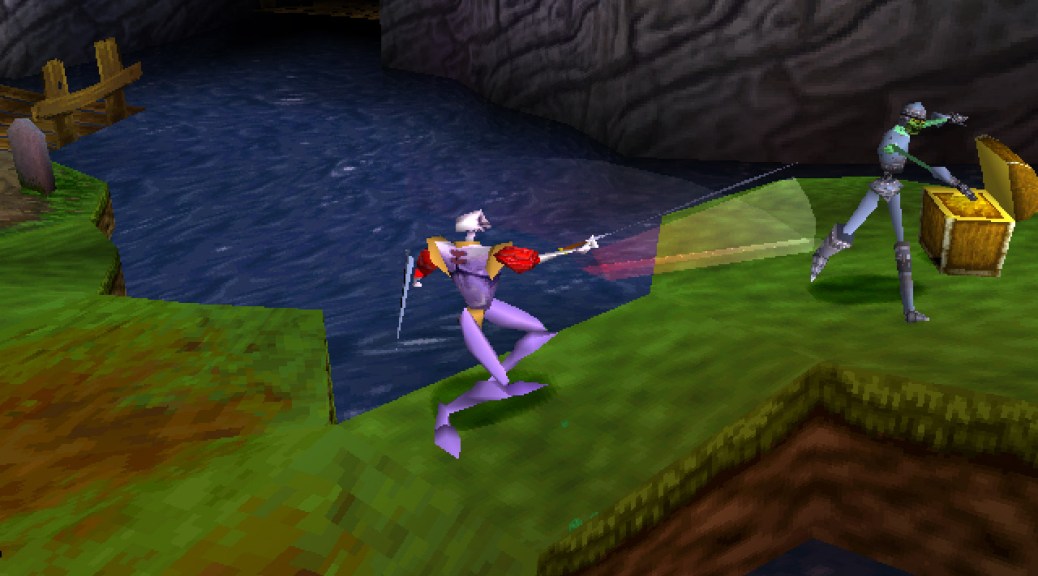
MediEvil, PlayStation
MediEvil is a classic hack-and-slash action game developed by SCE Cambridge Studio and published by Sony in 1998. In it you play as the resurrected skeleton of Sir Daniel Fortesque, in the kingdom of Gallowmere, who has been inadvertently brought back from his eternal sleep to once again fight the evil sorcerer Zarok (voiced by the late Paul Darrow). As shown in the humorous introductory sequence, Sir Dan’s initial attempt at thwarting Zarok fell flat on its face and this is his shot at redemption.
 The King of Grabs