
The second episodic chapter in the Half-Life 2 series is arguably the best of the adventures of Gordon Freeman, and maybe even one of the best games of all-time. Half-Life 2: Episode Two was first released by Valve in 2007.
Tag Archives: Retro Gaming History
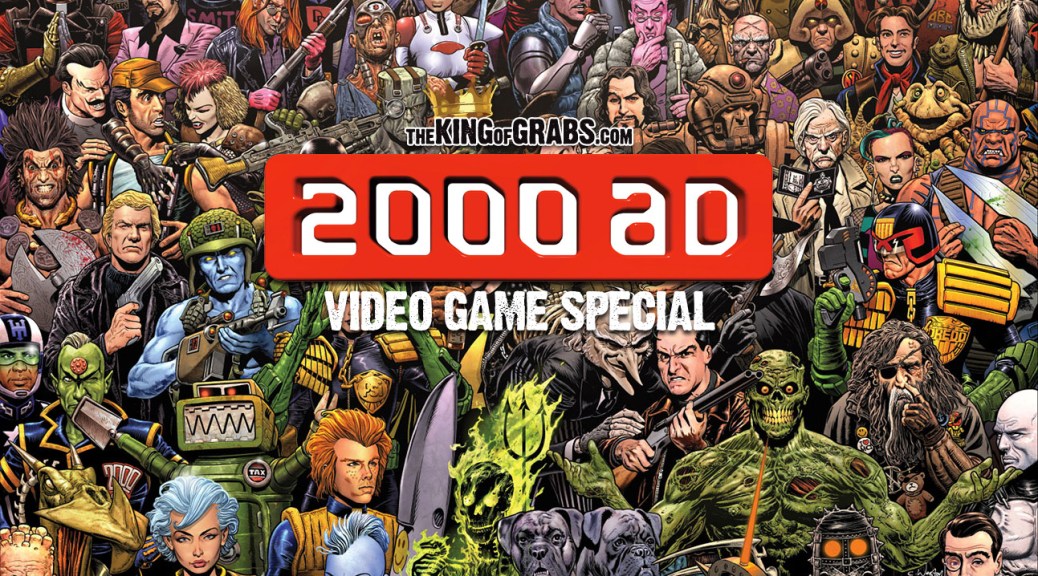
2000AD Special
2000AD is a famous, British science fiction comic that was first launched in 1977 (26th February 1977 to be precise), and I distinctly remember getting and reading the first issue and being hooked from that moment on. 2000AD pulled no punches, with its hard-hitting fantasy storylines and stand-out characters, and it made a big impression on anyone who read it.
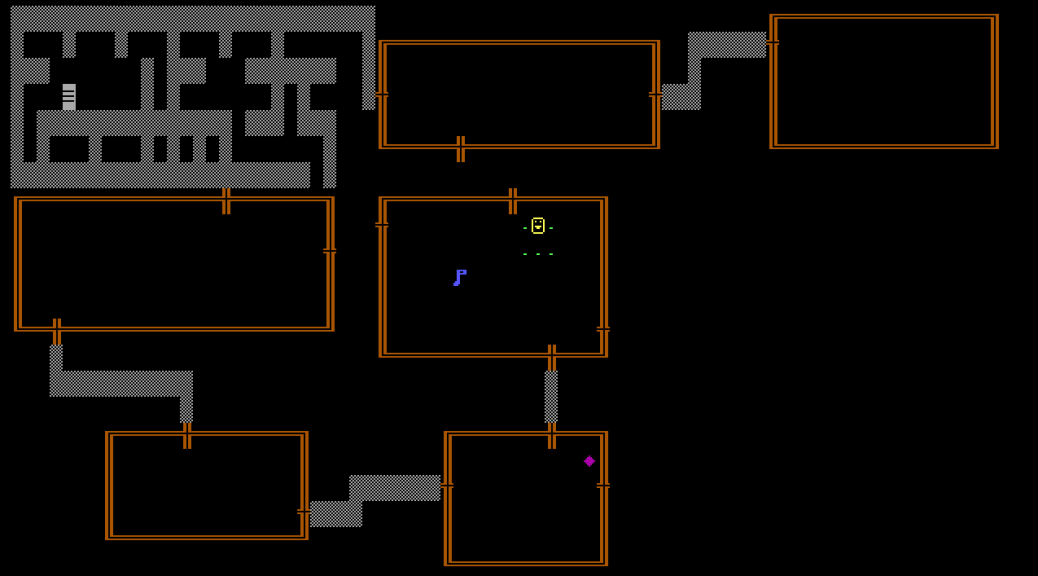
Rogue, PC
Rogue is an influential dungeon-crawling Role-Playing Game originally created by Michael Toy and Glenn Wichman (with later contributions by Ken Arnold) for Unix-based mainframes in 1980.
The original version of Rogue used the ASCII character set (text symbols) to create the world, and that is what you can see here in this first commercial version of game, published by Epyx in 1985.

Tomb Raider III: The Adventures of Lara Croft, PC
Tomb Raider III: The Adventures of Lara Croft is the second sequel to the smash hit Tomb Raider and was developed by Core Design and published by Eidos Interactive in 1998.
The game follows archaeologist-adventurer Lara Croft as she embarks upon a quest to recover four pieces of a meteorite that are scattered across the world. Lara can explore five new locations: India, the South Pacific, London, Nevada, and Antarctica.
Continue reading Tomb Raider III: The Adventures of Lara Croft, PC

Tomb Raider II, PC
The 1997 sequel to the classic Tomb Raider, Tomb Raider II, was once again developed by Core Design and published by Eidos Interactive.
The sequel builds upon the good parts of the first game and delivers even more Lara Croft hi-jinks and agility. An enhanced version of Core‘s Tomb Raider engine was used to power the game world.
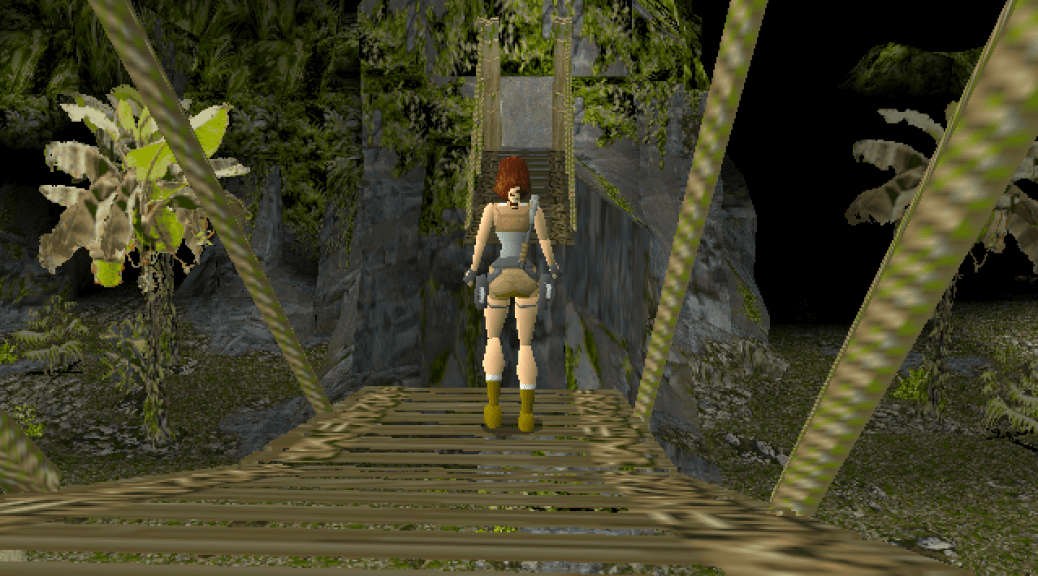
Tomb Raider, PC
The classic first adventure in the Tomb Raider series was developed by Core Design and published by Eidos Interactive – initially for the Sega Saturn – in 1996. Then PC MS-DOS and PlayStation versions followed soon after.
The game was a smash hit on the PlayStation and sold well on the PC too, making it something of a breakthrough title for Core Design, whose stature was greatly elevated with the success of the Tomb Raider series.

Boulder Dash Special
Boulder Dash is a very special game. It is a simple idea, with cute graphics and devious gameplay that combine to make an addictive combination of arcade-style action, survival and puzzle-solving.

Stunt Car Racer, Amstrad CPC
Geoff Crammond‘s incredible Stunt Car Racer was converted to the Amstrad CPC by Pete Cooke, the man responsible for classic ZX Spectrum hits Tau Ceti, Academy, and Brainstorm. It’s safe to say that Cooke did an immaculate job of bringing this ace racing game to the Amstrad in 1989.
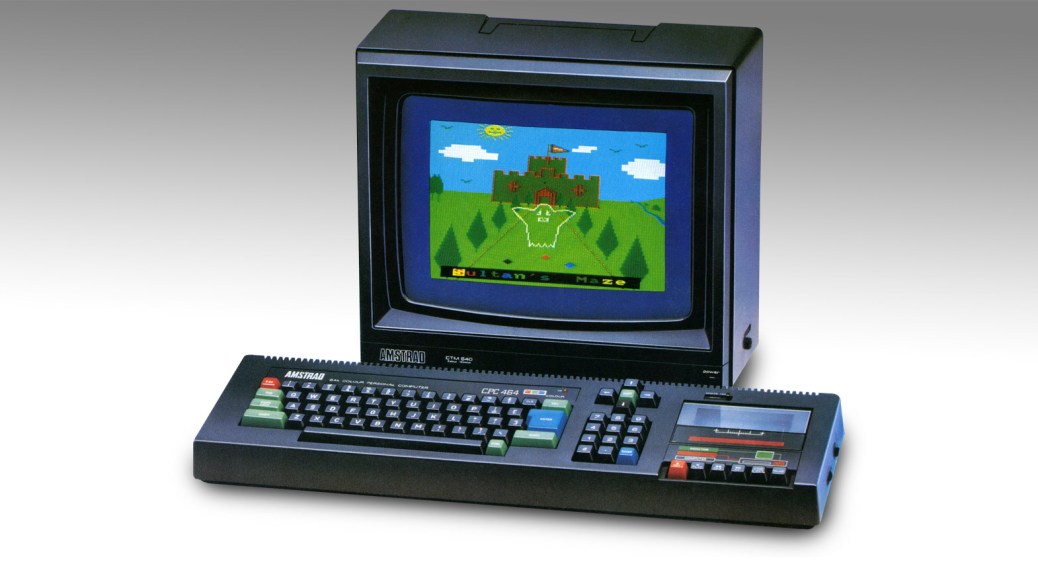
Amstrad CPC Special
The Amstrad Colour Personal Computer (CPC) is a family of 8-bit home computers that were designed and manufactured by British company Amstrad (the infamous one led by Alan Sugar), and marketed as competition to the Commodore 64 and ZX Spectrum from 1984 onward.

The Legend of Zelda: Twilight Princess, GameCube
The Legend of Zelda: Twilight Princess was developed and published by Nintendo for the GameCube and Wii in 2006 and is an unusual, beautifully-produced game with stunning visuals and evocative gameplay. It was the final first-party release from Nintendo for the GameCube.
Twilight Princess features involving, varied, and ever-evolving gameplay, with a more mature-looking Link in the title role (possibly in response to criticism of its predecessor, 2002’s The Wind Waker, due to its cartoony, cel-shaded graphics). The story involves Link trying to stop Hyrule from being engulfed by a corrupt parallel dimension called The Twilight Realm.
Continue reading The Legend of Zelda: Twilight Princess, GameCube
 The King of Grabs