
Legacy of the Wizard is the North American localisation of Dragon Slayer IV, released for the Nintendo Entertainment System by Brøderbund in 1989. It’s a fantasy-based platform/action game featuring a family of four heroes – and their pet – on a mission to retrieve a mystical sword and slay a dragon, inside a sprawling dungeon.
Tag Archives: sequel

Dragon Slayer IV: Draslay Family, MSX
Originally released in Japan as “Dragon Slayer IV: Drasle Family“, the version I’m showing here is the fan-translated MSX2 version of the fourth game in the Dragon Slayer series. The game was developed and published by Falcom in 1987, and the fan translation was released by “MSX Translations” in 2010 under the title of “Dragon Slayer IV: Draslay Family“.
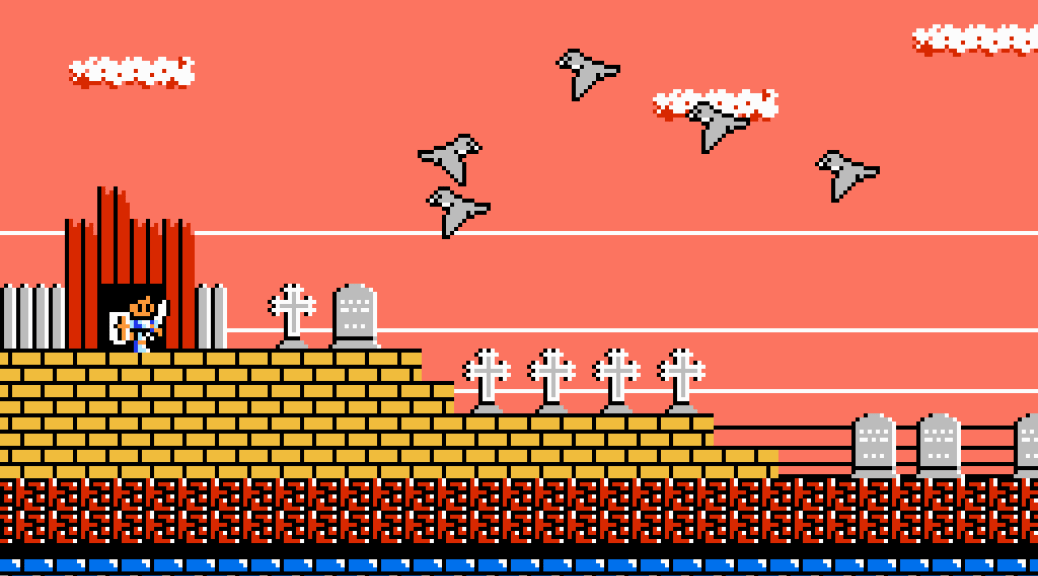
Romancia: Dragon Slayer Jr., NES/Famicom
The Nintendo Famicom version of Romancia – aka Dragon Slayer Jr. – was developed by Compile and published by Tokyo Shoseki, in Japan only, in 1987. A fan translation makes the game playable in English (and Spanish), which is good because this version of the game is considerably better than the MSX version.

Romancia: Dragon Slayer Jr., MSX
Romancia: Dragon Slayer Jr. is the third game in the Dragon Slayer series and was developed and published by Nihon Falcom in 1986. This game was designed to be “cute”, and more attractive to younger players (thus the “Jr.” suffix), and is therefore more simplistic than Xanadu, the previous Dragon Slayer game.

Xanadu: Dragon Slayer II, MSX
Xanadu: Dragon Slayer II (aka just “Xanadu“) is the 1987 sequel to 1984’s Dragon Slayer. It was developed and published by Falcom in Japan only, but the game is entirely in English so is playable by non-Japanese speakers/readers.
Xanadu is an action RPG that looks and plays similarly to Falcom‘s own Ys series, with side-scrolling town and dungeon sections and overhead, real-time combat taking place on a separate screen. Xanadu was a much bigger hit than its predecessor and was released in MSX and MSX2 versions.
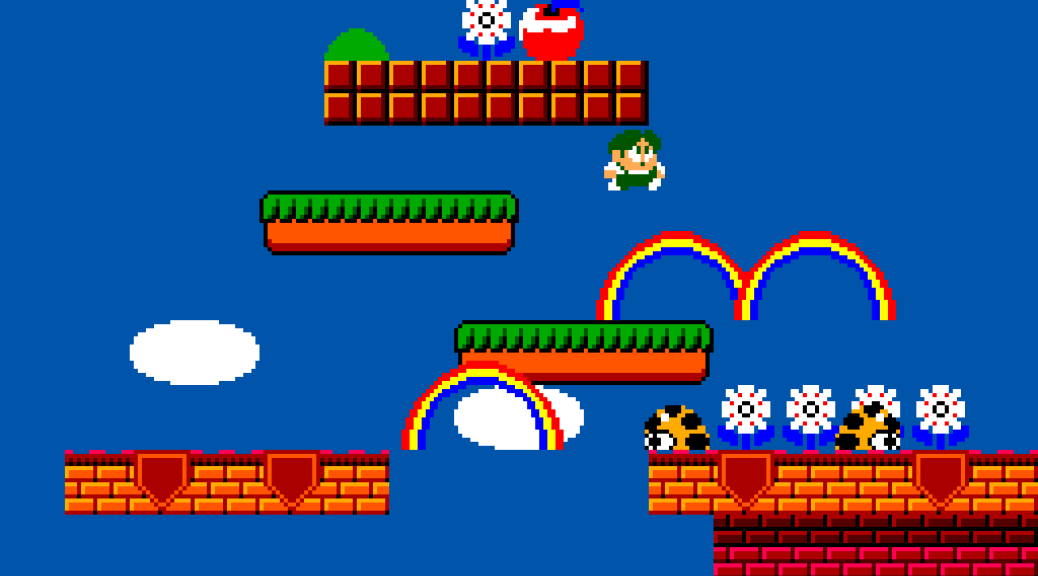
Rainbow Islands, Sega Master System
Rainbow Islands on the Sega Master System was released in 1993 in Europe, Australia and Brazil, and it is a reasonably good port of the classic Taito arcade game.

Dragon Quest Monsters: Caravan Heart, Game Boy Advance
Released in Japan only, Dragon Quest Monsters: Caravan Heart was developed by TOSE Co., Ltd. and published by Enix in 2003 for the Game Boy Advance. It is the third game in the Dragon Quest Monsters series. A fan translation into English was released in 2008, making the game playable to non-Japanese speakers.
Continue reading Dragon Quest Monsters: Caravan Heart, Game Boy Advance
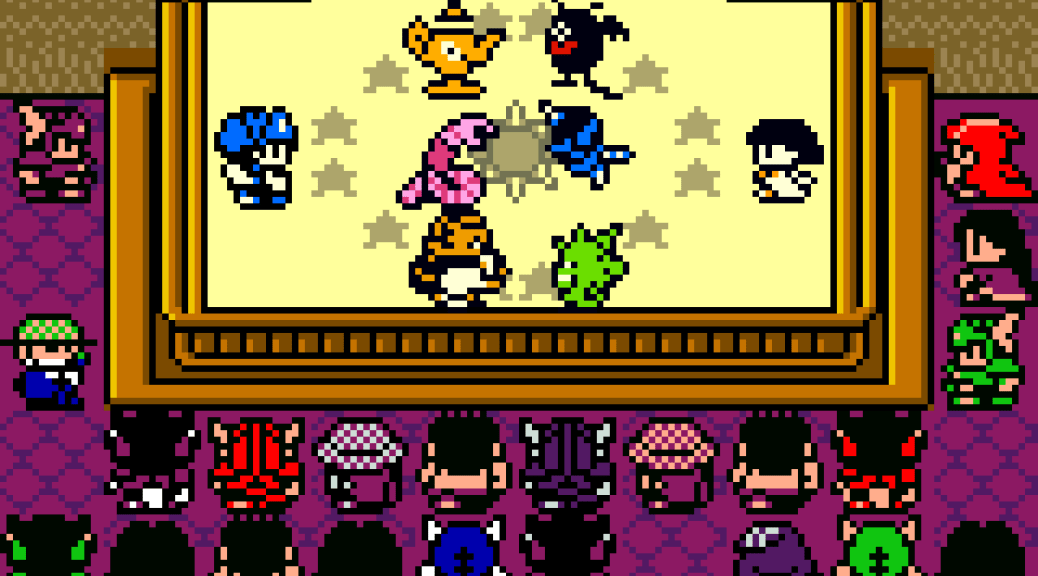
Dragon Warrior Monsters 2, Game Boy Color
Dragon Warrior Monsters 2 is the second game in the Dragon Quest spin-off series, which is a monster-collecting, training, breeding and combat style game in the tradition of Pokémon. It was developed by TOSE Co., Ltd. and was published exclusively for the Game Boy Color by Enix (Eidos in North America and Europe) in 2001.

Rainbow Islands Extra Version, Megadrive/Genesis
The “Extra Version” of Taito‘s classic Rainbow Islands is a modified version of the original arcade game, where the levels have been rearranged and the enemies changed to make the game more challenging. There are some new power-ups to discover, and the bosses have also been changed too. Rainbow Islands Extra was released into arcades in limited quantities in 1988, and was also released on the Sega Megadrive in 1990 and the FM Towns in 1992.
Continue reading Rainbow Islands Extra Version, Megadrive/Genesis
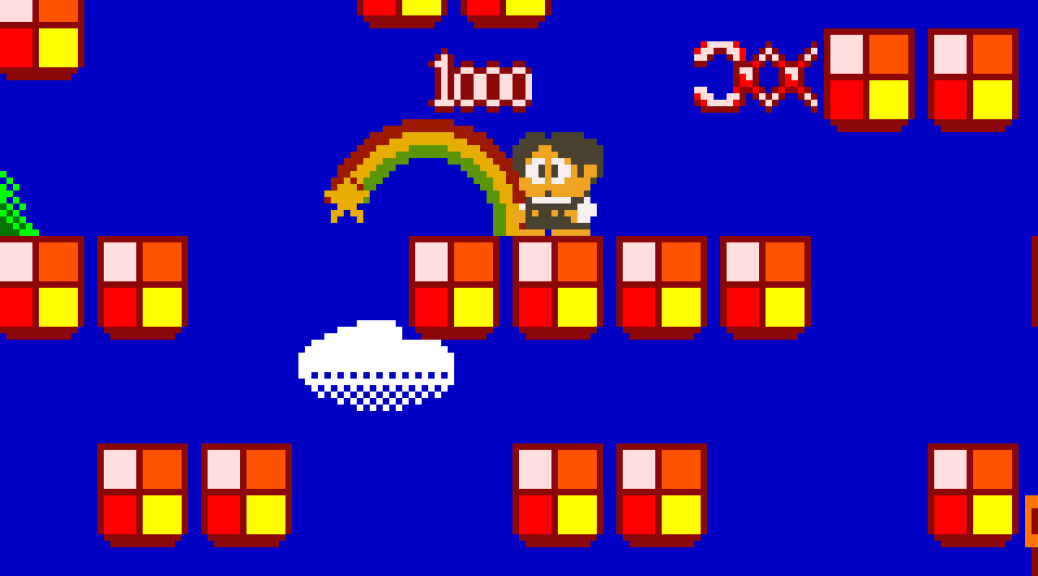
Rainbow Islands, Game Boy Color
Rainbow Islands on the Game Boy Color was ported by Dreams Co., Ltd. and published by TDK Mediactive in 2001. From what I can tell it was only released in Europe, which – considering it was created by a Japanese developer – is a little strange.

