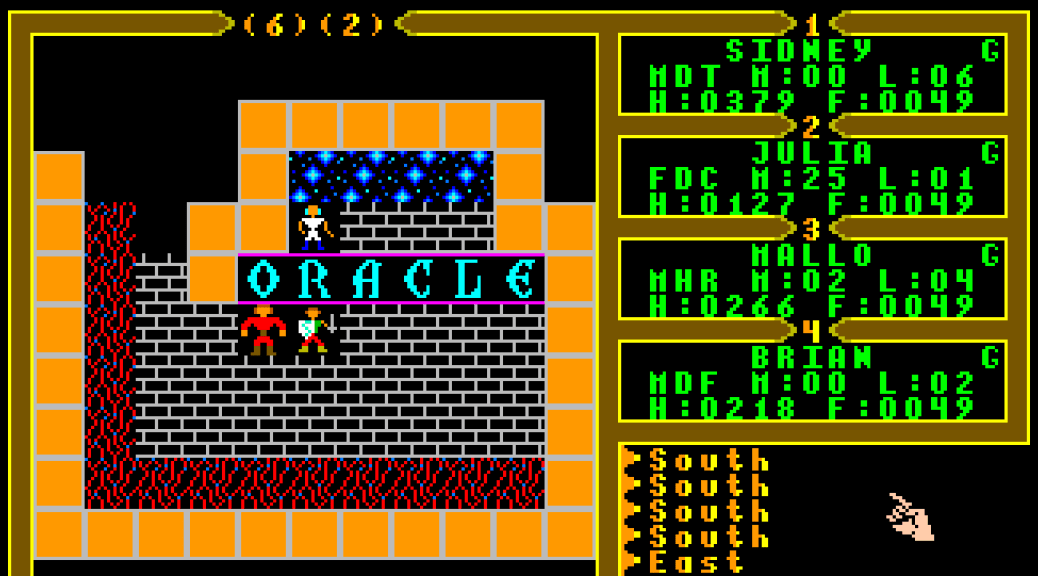
The Amiga version of Ultima III: Exodus was written by Bob Hardy and first published by Origin Systems in 1986. It’s actually a really good version of the game – maybe even the best – as it uses both mouse and keyboard controls to make playing the game faster and easier.
Tag Archives: overhead

Ultima III: Exodus, PC
The original MS-DOS version of Ultima III: Exodus was first published by Origin Systems in 1985 and features four-colour CGA graphics. Thankfully – like there is for Ultima II – an enhancement patch exists, by The Exodus Project, that is well worth setting up if you want better graphics, music, new features and bug-fixes. That’s the version I’m showing here, plus I’ve also shown a few screenshots of the original CGA version at the end of this set, just for comparison.

Ultima III: Exodus, Commodore 64
The Commodore 64 version of Ultima III: Exodus was first published by Origin Systems in 1983 and came on three floppy disks. There is a fan-made ‘Gold’ version of the game available, that has compressed these down to a single floppy disk file, which saves a lot of disk-swapping, and that’s the version that’s probably worth finding, if you want to play this game on the C64.

Ultima III: Exodus, Atari 8-Bit
The Atari 8-bit version of Richard Garriott‘s Ultima III: Exodus was first published by Origin Systems in 1983. It again uses graphical artifacting (which the first two Ultima games did on the Atari), which results in it looking very similar to the Apple II original.

Ultima III: Exodus, Apple II
Ultima III: Exodus is the third game in the Ultima series and the final instalment in the “Age of Darkness” trilogy. It was the first Ultima game that was published by Origin Systems and first came out for the Apple II in 1983. Ultima III was also the first game in the Ultima series where you controlled a party of characters, rather than a single hero, and the first Ultima game to use a line of sight/fog-of-war mechanic, meaning that anything that wasn’t directly within viewing distance was hidden from the player.

Ultima II: The Revenge of the Enchantress [1989 remake], Apple II
Here’s a set of screenshots showing the rare 1989 remake of Richard Garriott‘s Ultima II: The Revenge of the Enchantress for the Apple II. It’s considered to be rare because it was only ever released once, for Origin Systems‘ Ultima Trilogy compilation of the first three games. It was also Origin‘s final release for the Apple II.
Continue reading Ultima II: The Revenge of the Enchantress [1989 remake], Apple II
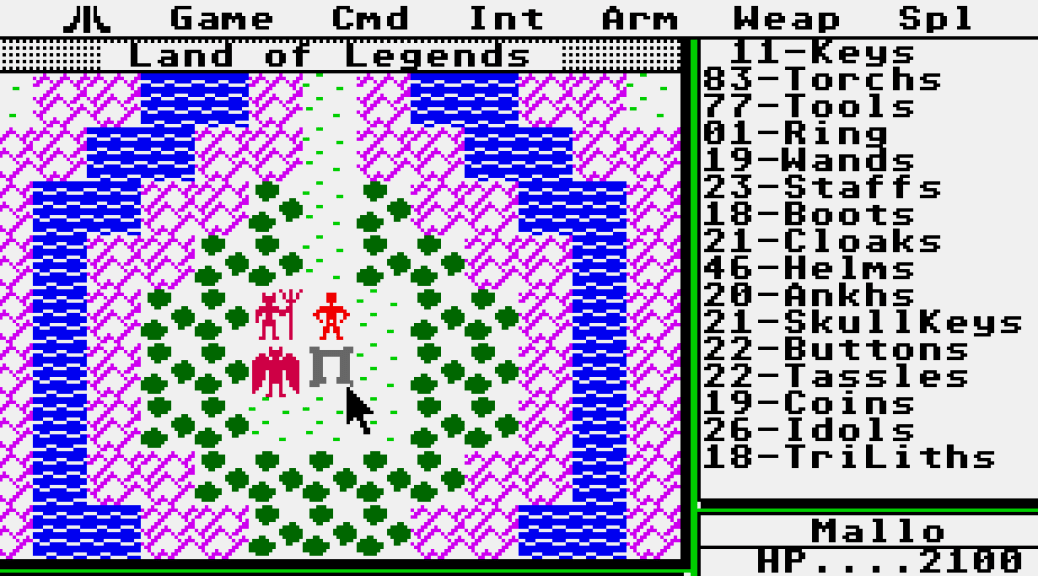
Ultima II: The Revenge of the Enchantress, Atari ST
Oh my goodness… This Atari ST conversion of Ultima II, by Robert Eric Heitman, uses a mouse-driven GEM interface as an “enhancement” over the original, and this – in my opinion – has turned the game into kitty litter…
Continue reading Ultima II: The Revenge of the Enchantress, Atari ST
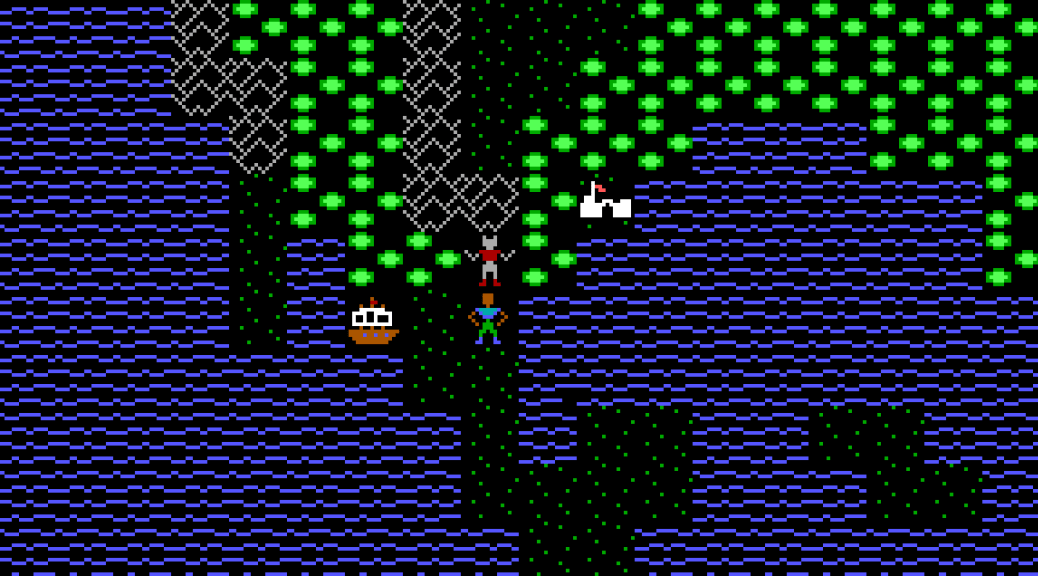
Ultima II: The Revenge of the Enchantress, PC
Originally released by Sierra On-line in 1983, the PC MS-DOS version of Ultima II: The Revenge of the Enchantress is pretty much the same as the Apple II original – except for the graphics which are four-colour CGA and look pretty awful. Thankfully there’s a fan-made patch, by The Exodus Project, that upgrades the graphics and fixes a few bugs and that’s the version I’m showing here. Note that at the end of this sequence of screenshots I’ve also shown the CGA version of the game for comparison.
Continue reading Ultima II: The Revenge of the Enchantress, PC
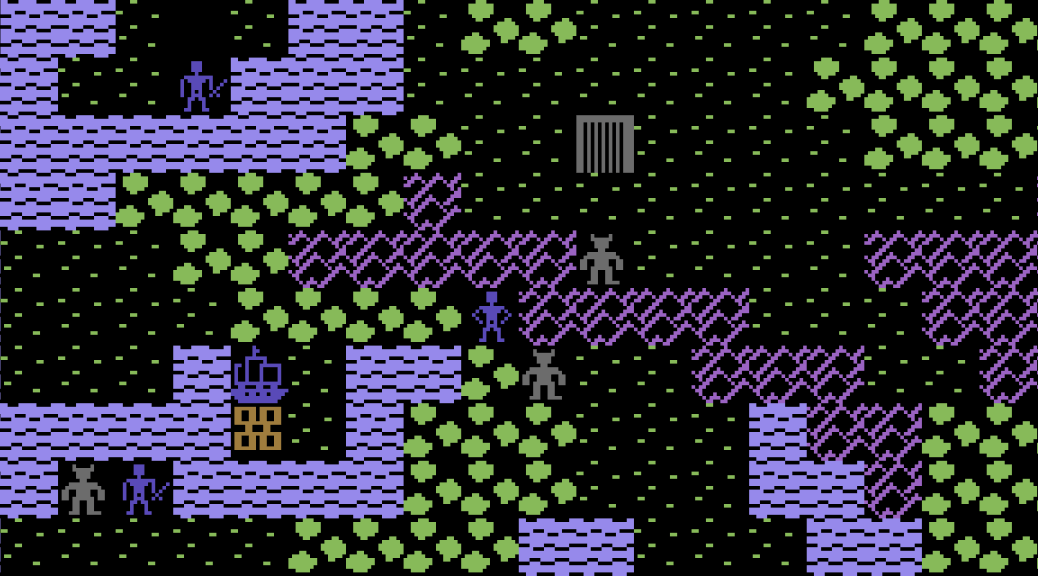
Ultima II: The Revenge of the Enchantress, Commodore 64
The 1983 Commodore 64 version of Ultima II: The Revenge of the Enchantress is a bit of a mixed bag in my opinion. On the one hand it is a gigantic, innovative, involving, and highly challenging Role-Playing Game, and a worthy sequel to the first Ultima (which was a great game). And on the other hand it is a fiddly, visually insipid and annoyingly vague quest into who knows what kind of fantasy, time-travelling nonsense…
Continue reading Ultima II: The Revenge of the Enchantress, Commodore 64

Ultima II: The Revenge of the Enchantress, Atari 8-bit
The Atari 8-bit conversion of Ultima II: The Revenge of the Enchantress was developed and published by Sierra On-line in 1983, coming out not long after the original Apple II version.
Continue reading Ultima II: The Revenge of the Enchantress, Atari 8-bit

