This 1991 Megadrive/Genesis conversion of the classic arcade race game, Out Run, was written by Sega’s AM2 development team – who made the original – and it is therefore very authentic and just as much fun as the arcade game.
Tag Archives: Japanese
Metal Gear 2: Solid Snake, MSX
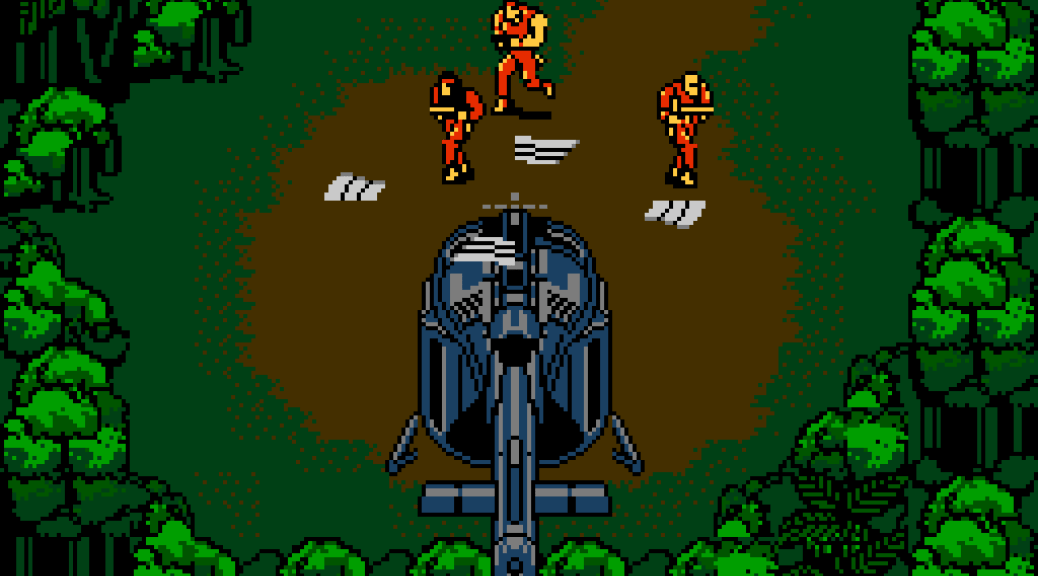
Metal Gear 2: Solid Snake is a direct sequel to the original Metal Gear and was first released for the MSX2 by Konami in 1990. It was again written and designed by Hideo Koijima and is much better than the half-baked pseudo sequel, Snake’s Revenge, by Ultra Games on the NES.
Snake’s Revenge, NES
Snake’s Revenge is a sequel to Metal Gear that was developed specifically for the North American and European NES markets by Konami and Ultra Games. It first came out in North America in 1990, and in Europe in 1992. Why there was a two-year gap between those releases is anyone’s guess.
Hideo Koijima wasn’t involved in the making of Snake’s Revenge and it is considered ‘non-canonical’, but he did make Metal Gear 2: Solid Snake for the MSX in response to it. I’m guessing that he wasn’t particularly enamoured with the idea of another team working on his signature series, but ultimately he (rather diplomatically) says that Snake’s Revenge is “not a bad game“.
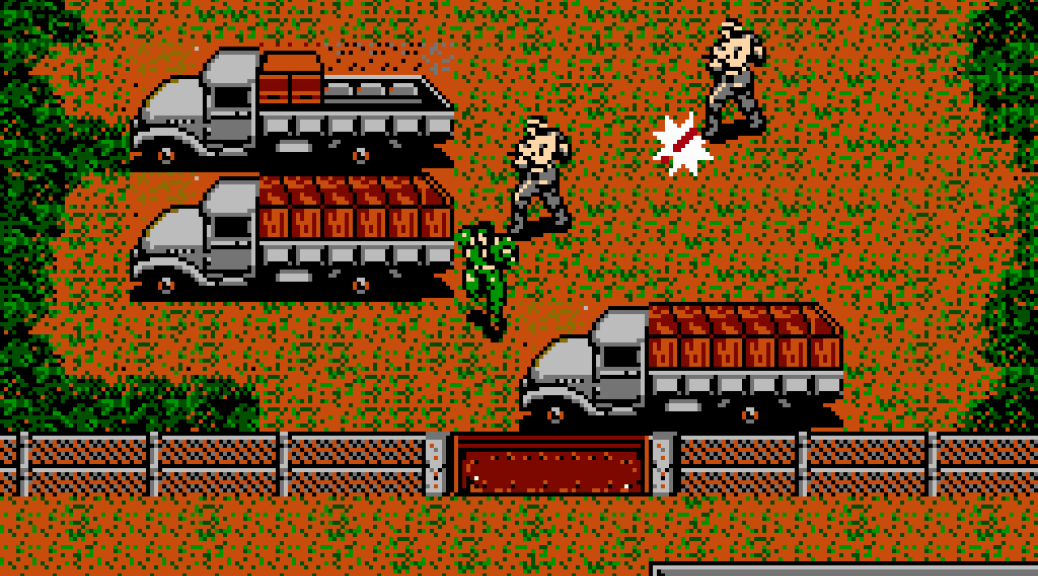
Metal Gear, NES
This reworked Nintendo Entertainment System port of the MSX version of Metal Gear first came out in 1987 (1988 in North America), just three months after the original. While it’s considered (rightly) to be inferior to the original MSX version it was a major hit and went on to sell over a million units in the United States alone.
Metal Gear, MSX
The very first Metal Gear was originally released in 1987 by Konami for the MSX2. It was Hideo Koijima‘s first fully-developed game and went on to spawn a successful series across many platforms. The hero, Solid Snake, has since gone on to become a video game icon.
Gargoyle’s Quest II, NES
The sequel to the intriguing Game Boy game, Gargoyle’s Quest, was first released on the Nintendo Famicom in 1992 by Capcom. It is another spin-off from the successful Ghosts ‘N Goblins series.
Again, you play as Firebrand – the winged demon from Ghosts ‘N Goblins (and Ghouls ‘N Ghosts) – and again it features platforming action, with an interesting ‘fly-and-float’ mechanic.
Gargoyle’s Quest, Game Boy
This interesting 1990 action adventure platform game is a spin-off from the classic arcade game Ghosts ‘N Goblins.
It features the flying demon character (called Firebrand in English language versions and Red Arremer in the original Japanese version) in the lead role, and who was first seen as an enemy in the Ghosts ‘N Goblins arcade game. That, in itself is quite unusual – getting to play a baddie from an earlier game in a later sequel, and this game is more than just a simple platform game.
Ganbare Goemon Kirakira Dōchū: Boku ga Dancer ni Natta Wake, Super Nintendo
Also known (in English) as: “Go for it! Goemon: The Twinkling Journey – The Reason I Became a Dancer“, this fourth instalment of the much-loved Goemon [Super Nintendo] series is about as crazy, challenging and fun as a video game can be.
Many feel that this final Goemon game on the Super Nintendo is the best in the series, so it’s great that it’s finally been given an (unofficial) English translation. The game follows the same pattern as previously, with isometric exploration sections, interspersed with side-scrolling platform/action sections.
Continue reading Ganbare Goemon Kirakira Dōchū: Boku ga Dancer ni Natta Wake, Super Nintendo
Toki, NES
Toki is a conversion of the 1989 arcade game by Tad Corporation and it features a jumping ape who can spit bullets at his enemies. It’s a platform game with relatively short levels and occasional boss fights, and it is known for its rock-hard difficulty.
Toki: Going Ape Spit, Megadrive/Genesis
This 1991 Sega Megadrive conversion of Toki is only loosely-based on the original 1989 arcade game, which is good because the original was much too hard to be fun, and this is more playable.