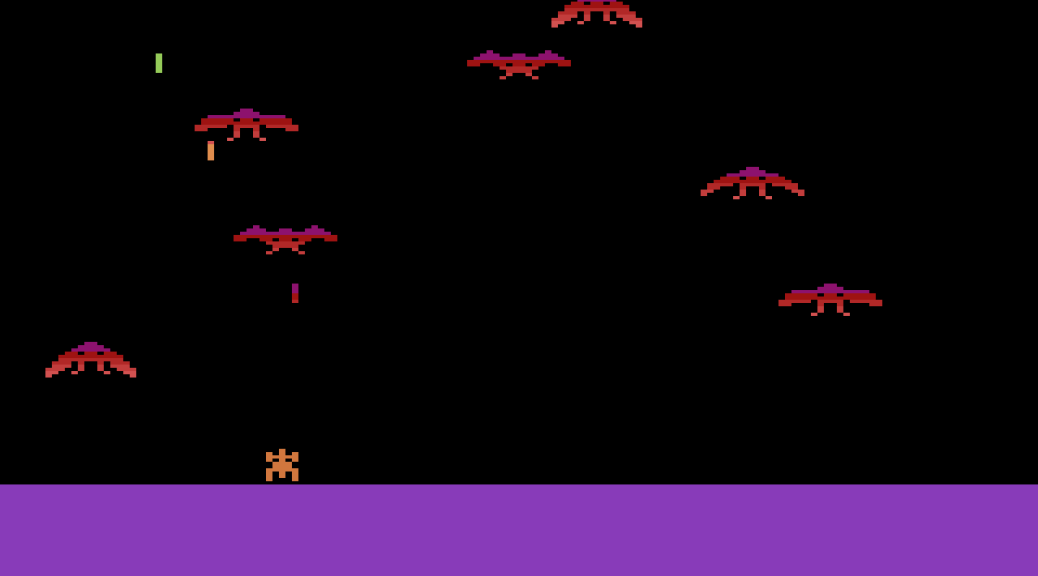
Taito‘s 1980 arcade hit, Phoenix, was converted to the Atari 2600 by Michael Feinstein and John Mracek and first published in February 1983 by Atari. Although it is a decent attempt at bringing the arcade version to the 2600, it still falls short of the original. I’d say that it’s still one of the better fixed-screen shooters on the VCS, though.
Tag Archives: cartridge
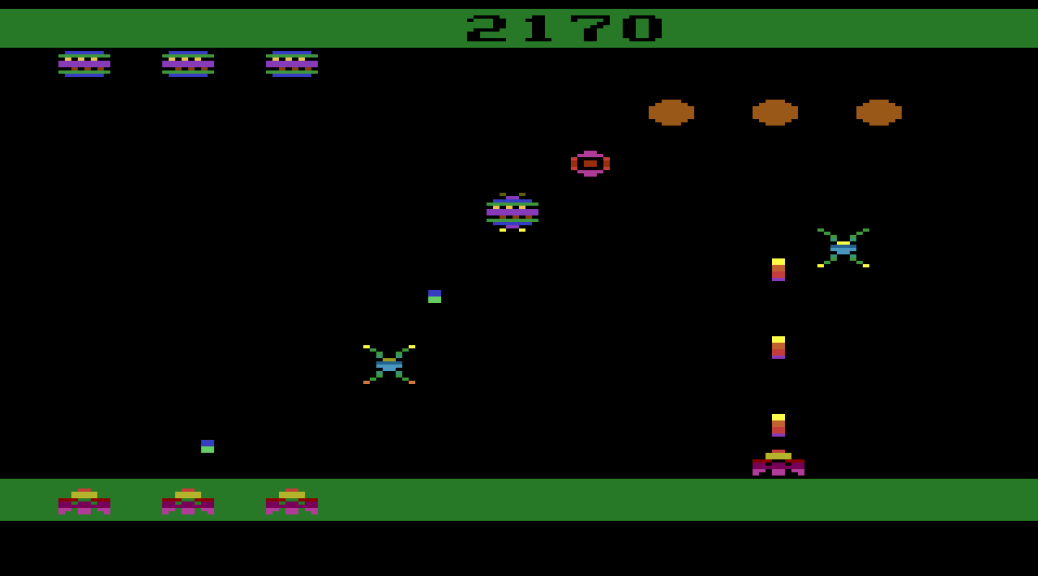
Spider Fighter, Atari 2600
Created by Larry Miller and released by Activision in 1982, Spider Fighter sounds like it could be a really exciting game, something on a web, or a heroic character fighting off hoards of spiders with a sword maybe? No. In this case it’s a fairly bog-standard Galaxian rip-off, although it is a very well-made one.
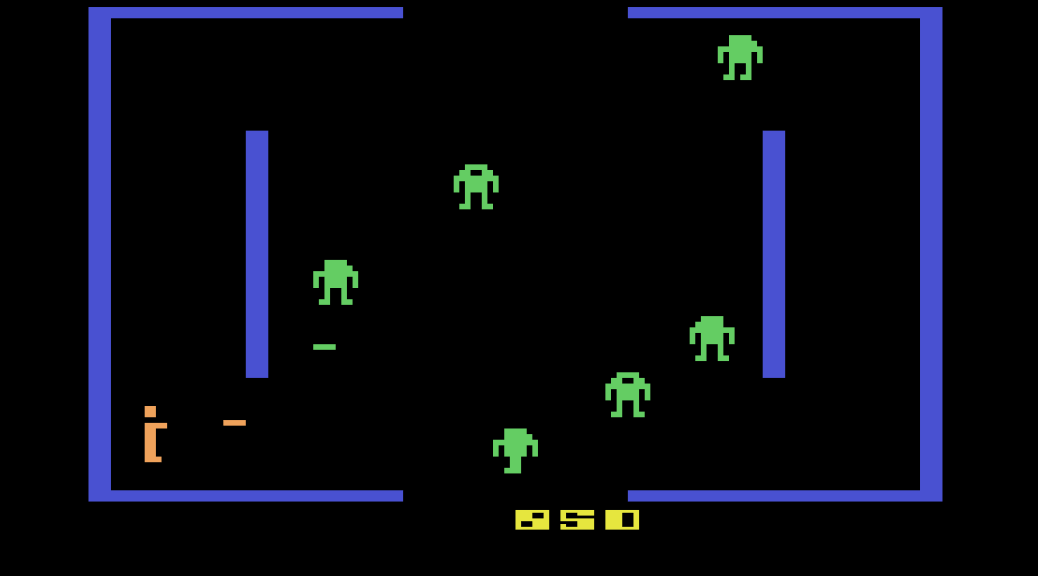
Berzerk, Atari 2600
Berzerk is a conversion of the 1980 Stern Electronics arcade game of the same name. It was ported to the Atari 2600 by Dan Hitchens for Atari, Inc., who also published it. Atari 2600 Berzerk was first released in 1982.
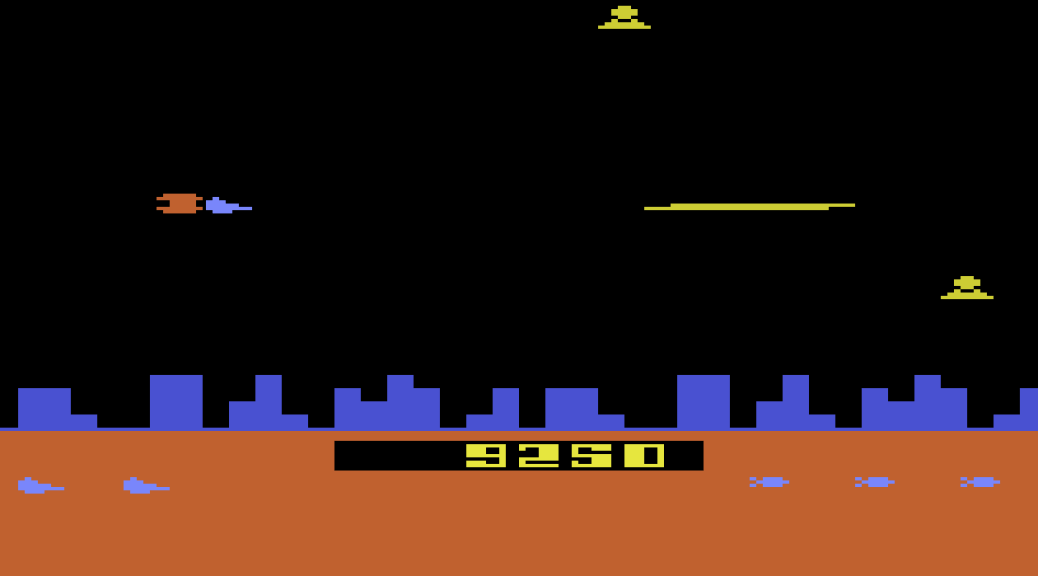
Defender, Atari 2600
It’s no secret that the Atari 2600 port of Defender sucks. Thankfully, though, the 2600 has a saviour in form of Defender II, the much better sequel.
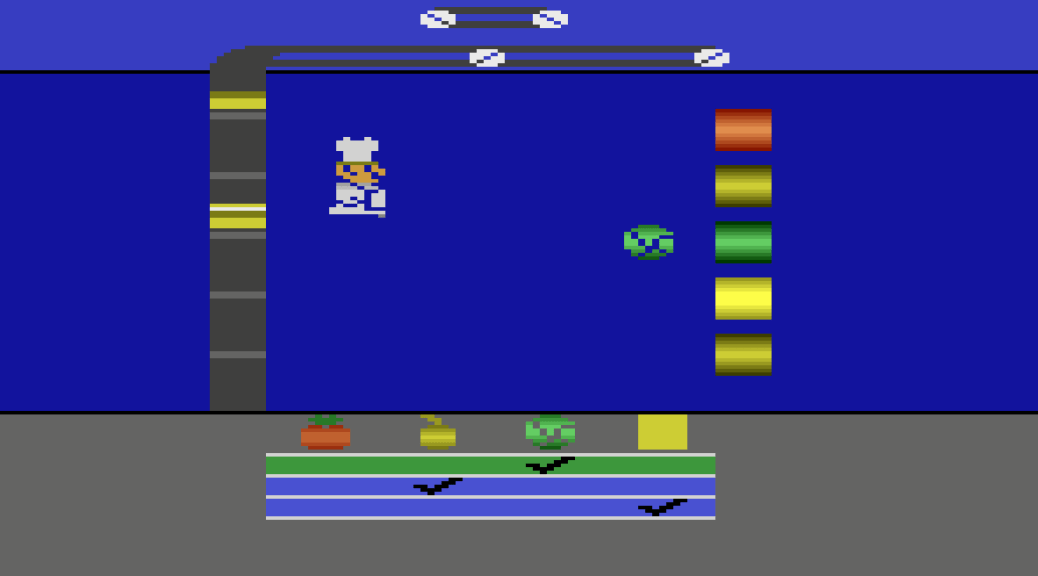
Pressure Cooker, Atari 2600
Pressure Cooker, by Garry Kitchen, was first published for the Atari 2600 in 1983, by Activision. It is a food-preparation game where you play as a burger chef (called “Short-Order Sam“) trying to package items with the right ingredients for your customers.
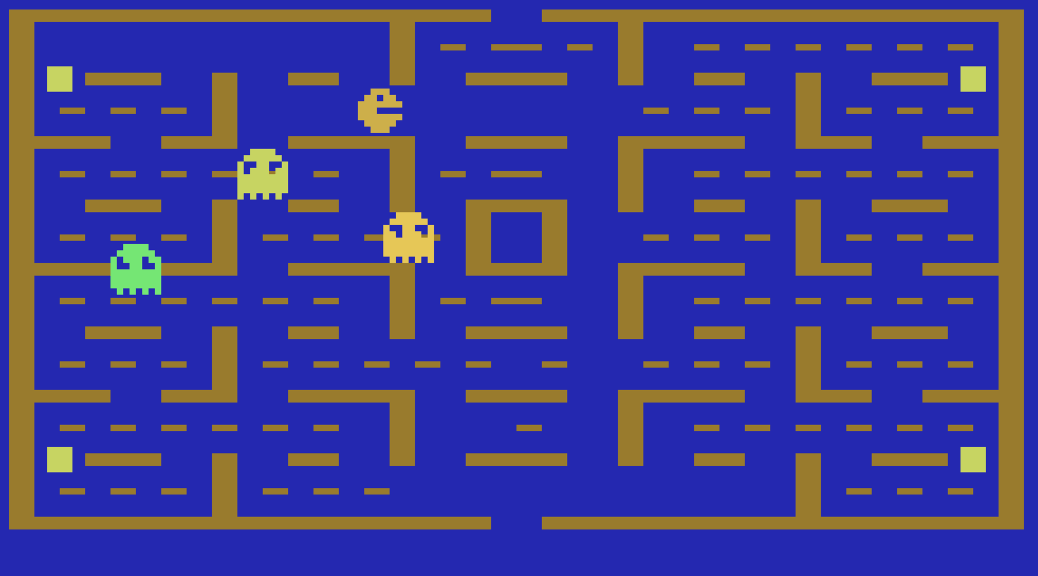
Pac-Man, Atari 2600
The Atari 2600 version of Namco‘s classic Pac-Man is notorious for being terrible… And it is truly rubbish… The animation of Pac-Man himself is awful, the ghosts flicker horribly*, the transition from a vertical maze to a horizontal one has not been well-handled, and the general all-round authenticity of the game is highly questionable…
*= Which is why I’ve chosen to alter some of these grabs, to give a better representation of the game, as seen on-screen.
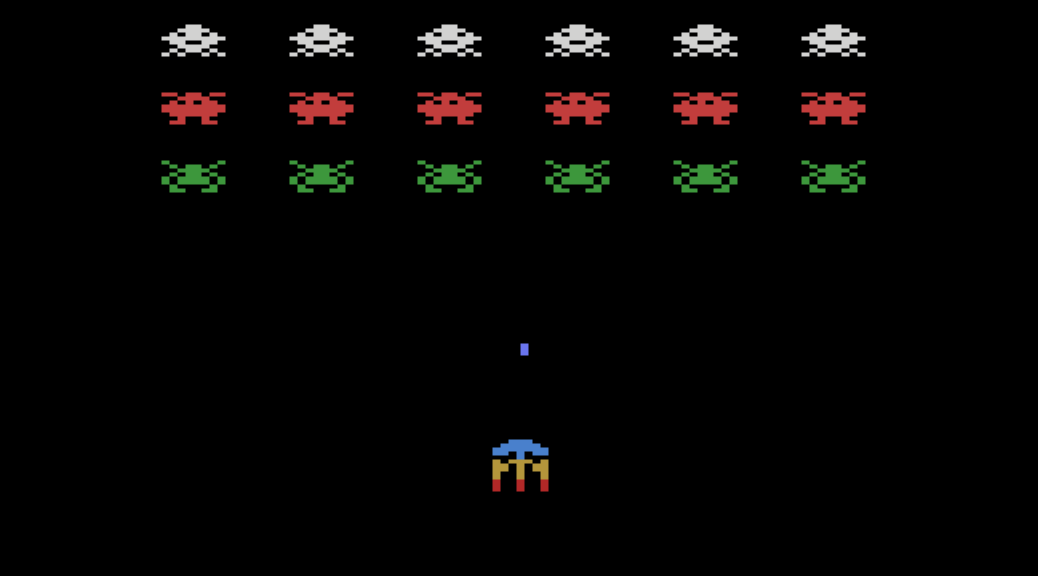
Gorf, Atari 2600
The Atari 2600 version of the classic arcade shooter, Gorf, was programmed by Alex Leavens and first released in 1982 by CBS Video Games. It is a cut-down version of the arcade original*, with graphics and scenes that barely recreate it.
* = Yes, it doesn’t have the fifth ‘Galaxian‘ stage, which most commercial ports of the game are missing due to rights issues. Enhanced homebrew ports of the game have since re-instated it.
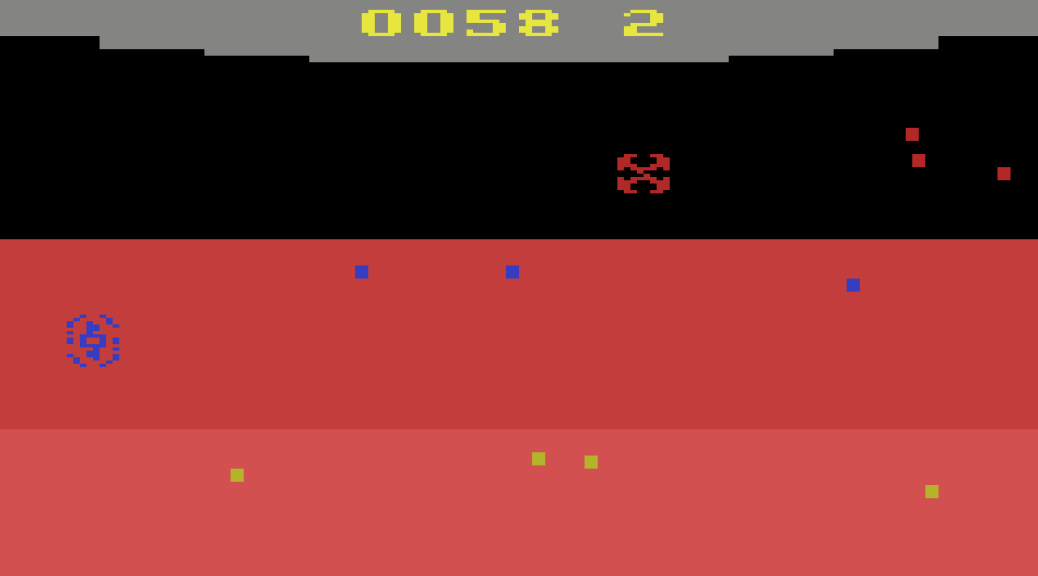
China Syndrome, Atari 2600
Loosely-based on the 1979 film, The China Syndrome , China Syndrome by Spectravision – first released in 1982 – is a “simulation” of a fission nuclear reactor going wrong. The aim is to capture neutrons, using a roaming cursor, to prevent a runaway nuclear reaction and eventual reactor meltdown.
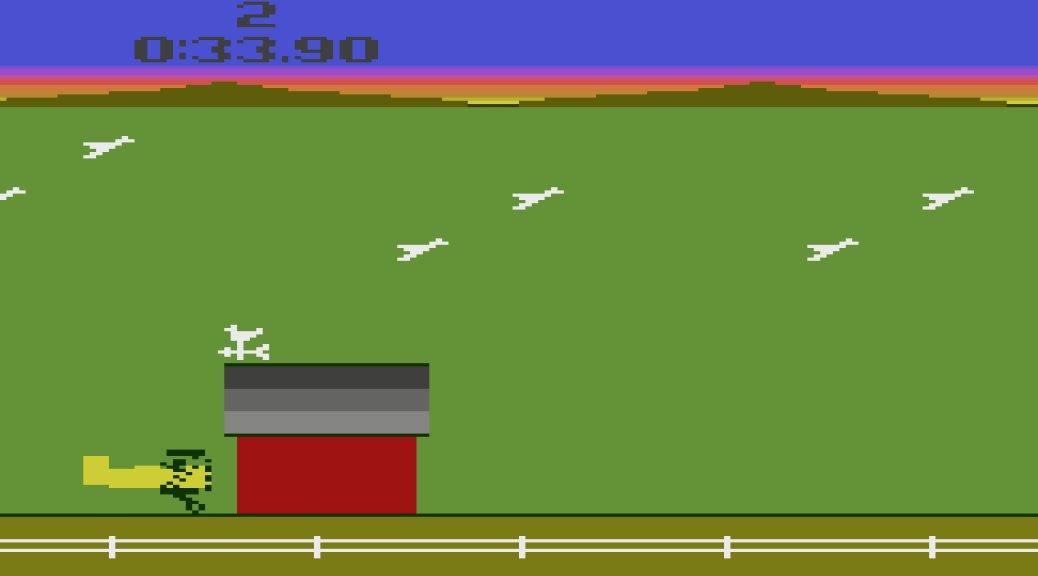
Barnstorming, Atari 2600
Barnstorming was designed by Steve Cartwright and first published by Activision in 1982. Like most people who play it for the first time, I had to check if I was playing the game as intended, because there’s so little to it.
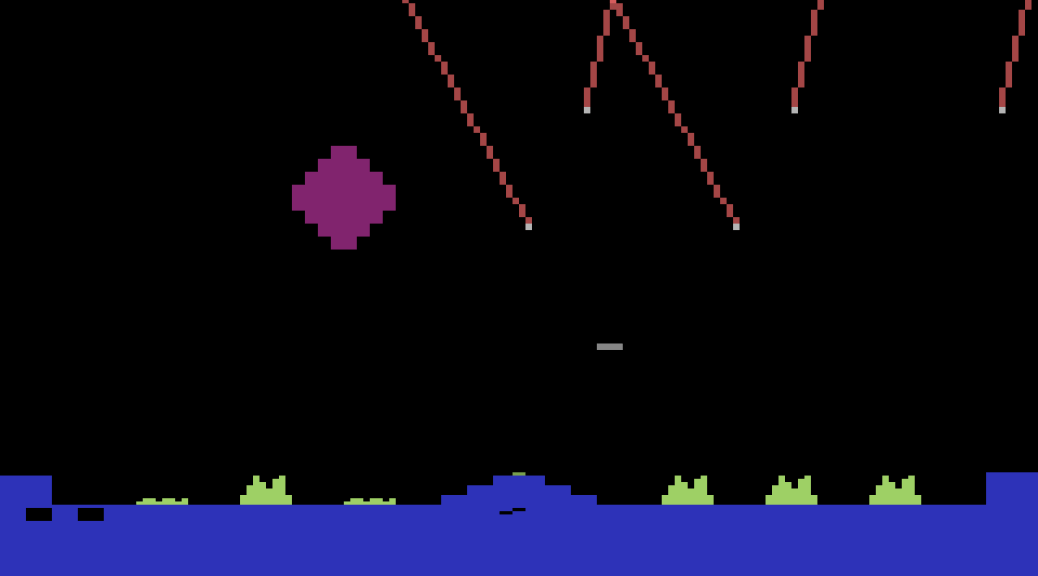
Missile Command, Atari 2600
The Atari 2600 version of the classic arcade game, Missile Command, was programmed by Rob Fulop and initially released in April 1981 by Atari, Inc.

