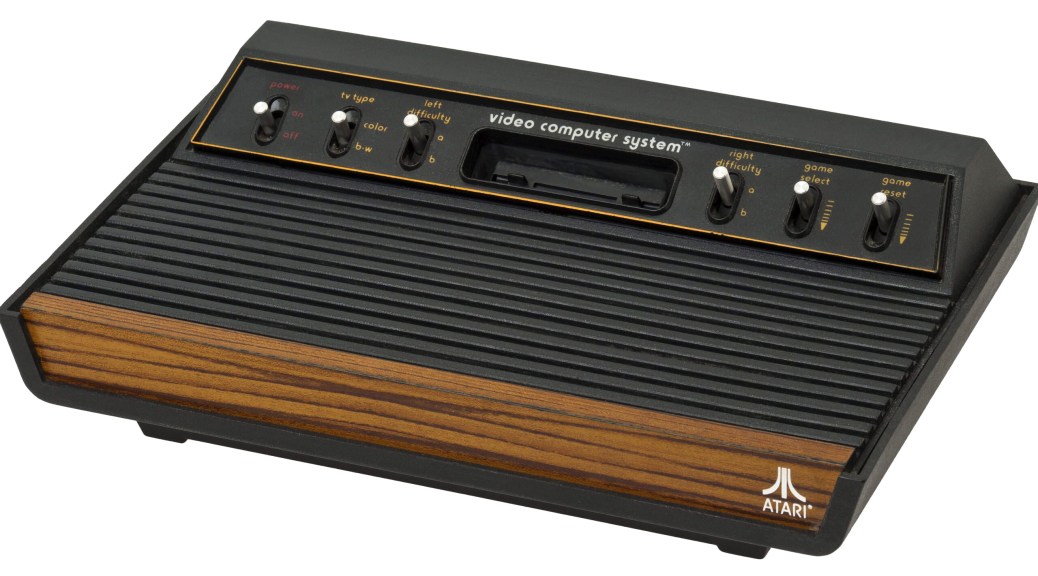
We’ve never had an Atari 2600 Special before, so now’s the time to have one!
For the next ten days I’ll be adding only Atari 2600 games to the grabs collection.
We’ve never had an Atari 2600 Special before, so now’s the time to have one!
For the next ten days I’ll be adding only Atari 2600 games to the grabs collection.
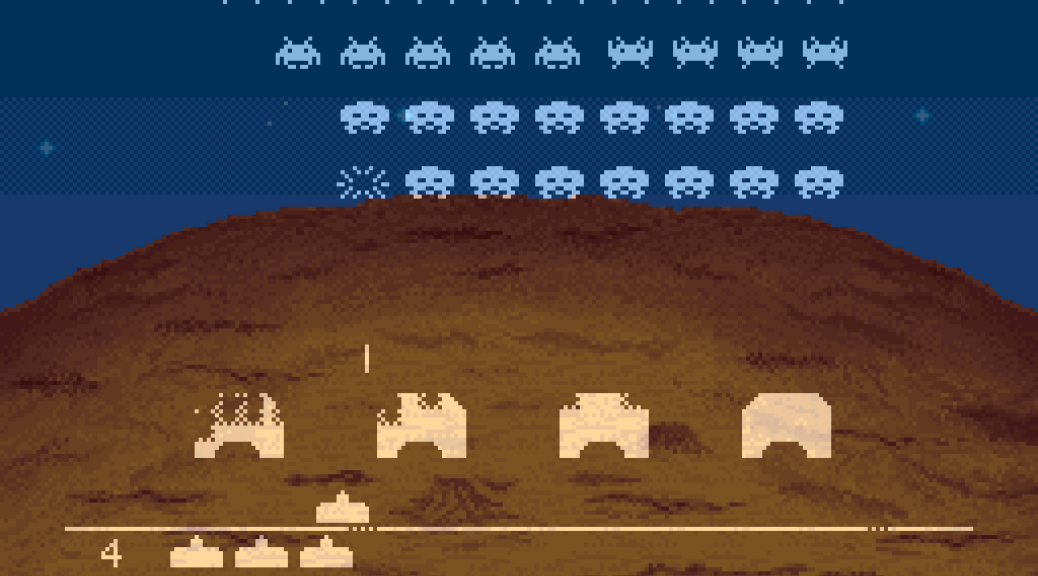
The 1994 Game Boy version of Taito‘s classic Space Invaders is legendary for its Super Game Boy enhancements. It not only features a variety of well-designed borders and enhanced colour palettes, but it also includes an exclusive, separate ‘arcade’ port that is only accessible when using a Super Game Boy on a SNES.
The MSX port of Konami‘s classic arcade shooter, Salamander, was first released in Japan – on cartridge – in 1987. And although it shares the name and certain elements from the arcade game, this is a completely new version of Salamander, with a new storyline, new characters, ships and levels. It is sometimes referred to as “Salamander: Operation X“.
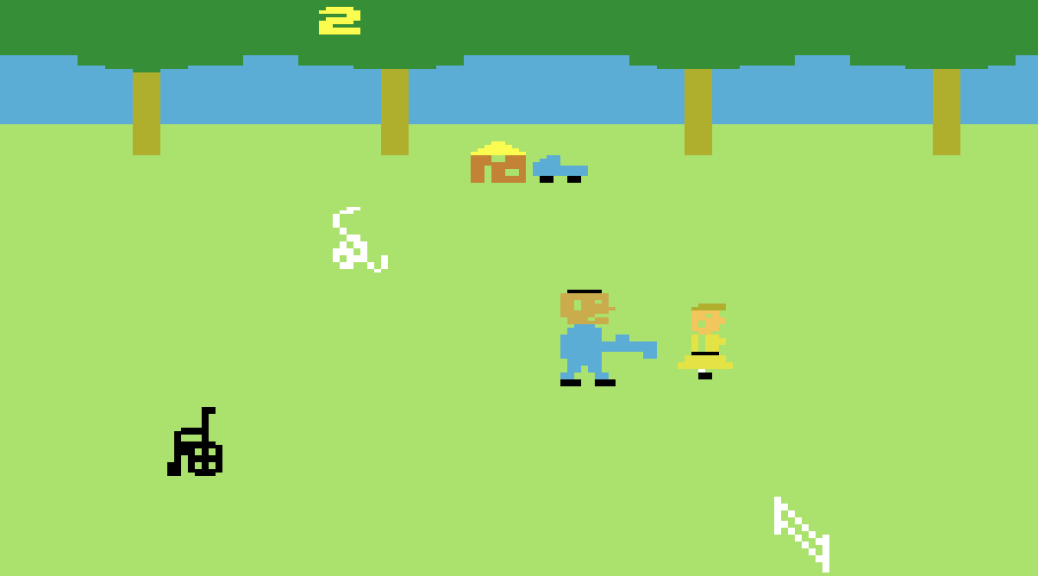
Developed by VSS, Inc. (of Texas), and published by Wizard Video Games in 1983, the Atari 2600 version of The Texas Chain Saw Massacre* is a travesty of a video game, and a perfect example of the kind of careless rubbish being released to market that triggered the North American video game market crash of the mid-Eighties.
*= The correct title of Tobe Hooper‘s classic 1973 film is “The Texas Chain Saw Massacre” (note the words “Chain” and “Saw” are separate), and NOT “The Texas Chainsaw Massacre“. Wizard Video Games got the title wrong, so I’m sticking with the correct title for the film, rather than bastardising it incorrectly, like they did.
The MSX version of Choplifter was converted by Programmers-3, Inc. and initially published, as a ROM cartridge, by Sony in 1985.
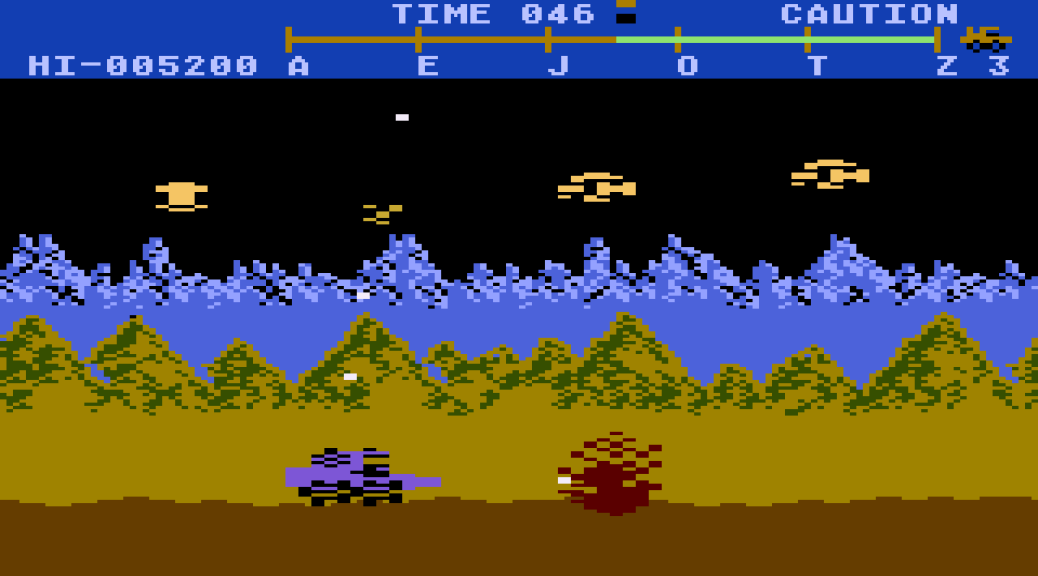
Developed and published by Atari, Inc. in 1983, the Atari 5200 conversion of Moon Patrol is an adequate, but hardly ‘dazzling’, port of the classic Irem arcade game.
Xanadu: Dragon Slayer II (aka just “Xanadu“) is the 1987 sequel to 1984’s Dragon Slayer. It was developed and published by Falcom in Japan only, but the game is entirely in English so is playable by non-Japanese speakers/readers.
Xanadu is an action RPG that looks and plays similarly to Falcom‘s own Ys series, with side-scrolling town and dungeon sections and overhead, real-time combat taking place on a separate screen. Xanadu was a much bigger hit than its predecessor and was released in MSX and MSX2 versions.
Although it may look extremely basic, Dragon Slayer is an important game in the development of Japanese Role-Playing Games. It is a real-time action/exploration game where you control a fighter who must collect gold, orbs, potions, and various other useful items, inside a scrolling maze that is crawling with deadly monsters.
Dragon Slayer was initially released in 1984 for the PC-8801, PC-9801, X1 and FM-7, and the MSX version followed in 1985, being ported and published by Square. It was, in fact, one of the earliest releases from Square.
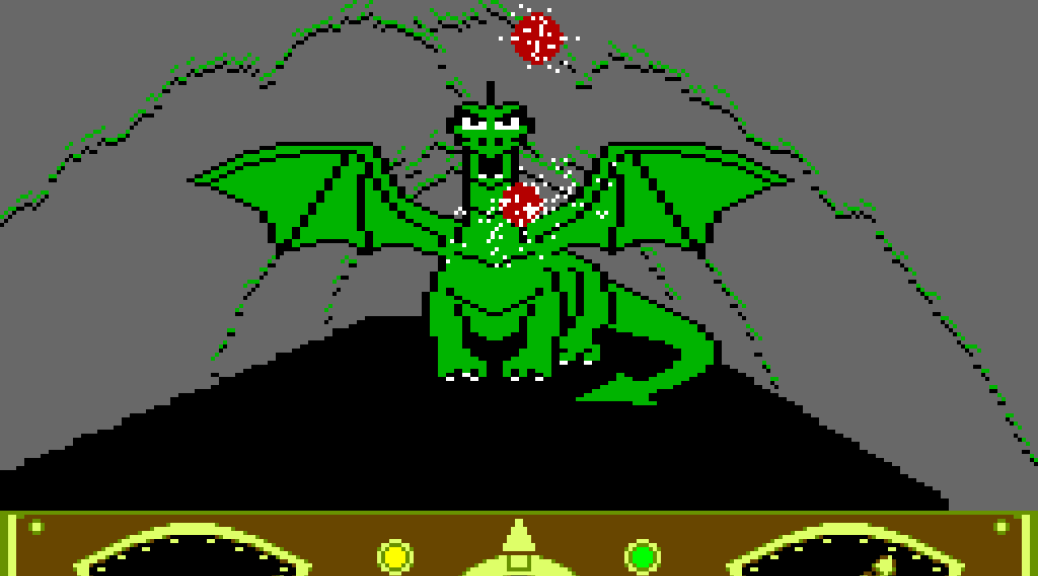
The MSX version of Lucasfilm Games‘ The Eidolon was published in Japan only – on cartridge – by Pony Canyon in 1986, and it is on-par with the original Atari 8-bit and Commodore C64 originals of this classic cave exploration game.
The MSX version of John Van Ryzin‘s H.E.R.O. was ported by The Softworks and published by Activision in 1984.