
Mega Turrican is a Megadrive/Genesis-exclusive remake of the famous run-and-gun shooter which was popularised on the Commodore 64 by Rainbow Arts and later ported to other systems. This version was developed by Factor 5 (as were all of the later ports) and published by Data East in North America and Sony Imagesoft in Europe in 1994.
Tag Archives: 1994

Virtua Racing Deluxe, Sega 32X
This superb conversion of Sega‘s Virtua Racing arcade game required the 32X add-on peripheral for the Megadrive/Genesis and was first released in 1994. Called Virtua Racing Deluxe, it had features that were exclusive to this version, and it also had remarkable use of 3D polygonal graphics that were outstanding for the time.

Hamsters, Archimedes
Hamsters is a hilarious action game where the aim is to squash cute animals with a large wooden mallet and to collect the goodies that they drop as a result of being hit… Haha. Take that: cute animals!
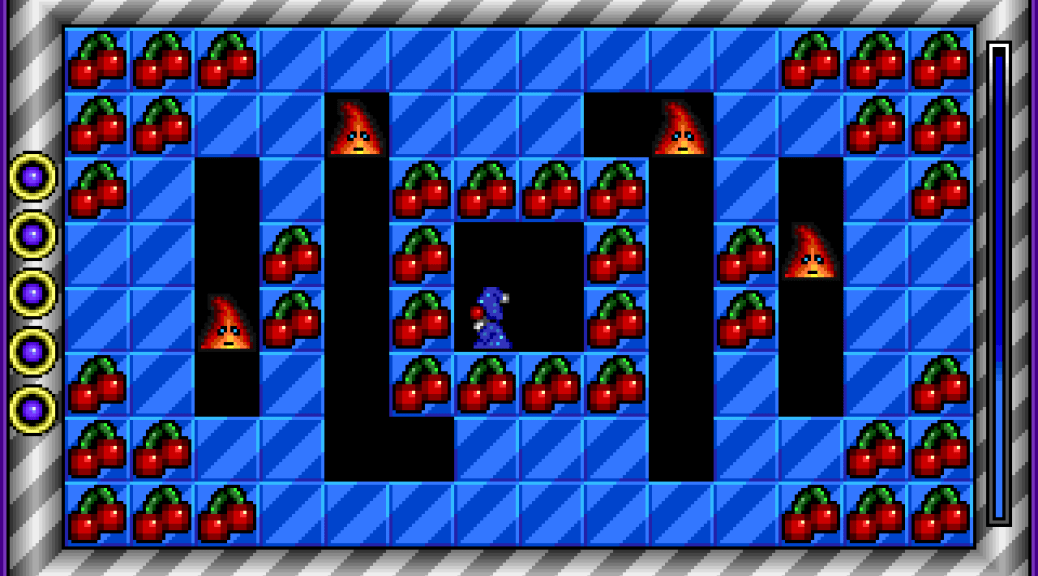
Mr. Doo, Archimedes
Mr. Doo is an Archimedes clone of Universal‘s classic arcade game, Mr. Do!. And – like many Archimedes clones of existing games – it is only a partial success.
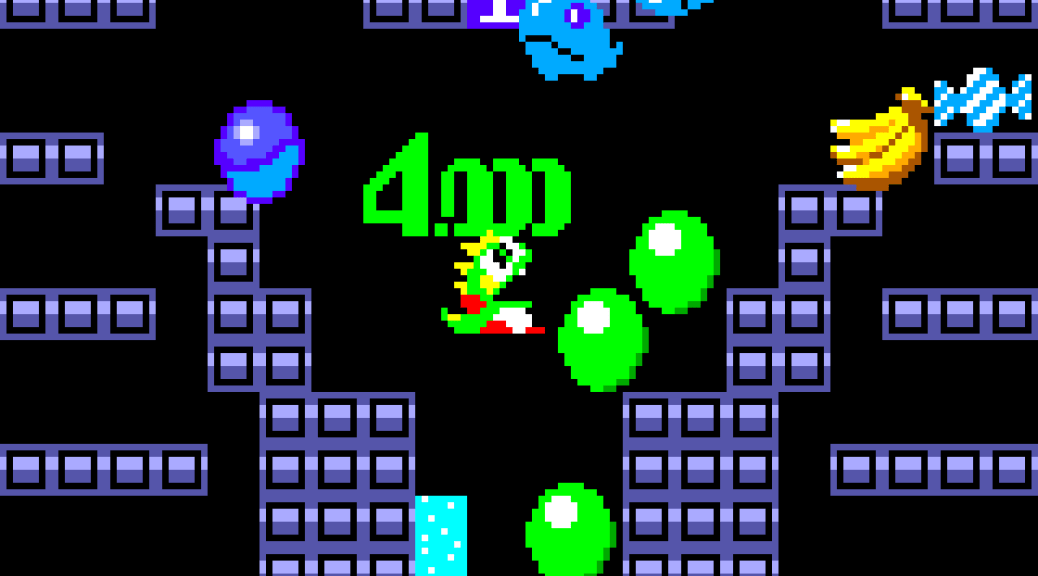
Bubble Bobble, Game Gear
The Sega Game Gear conversion of Bubble Bobble was developed and published by Taito themselves and it is a damn sight better than the flawed Game Boy and Game Boy Color conversions, even though the levels in this have been adapted to fit the Game Gear‘s tiny screen.

Ridge Racer, PlayStation
A launch title on the PlayStation and the first game I ever played on the system, Ridge Racer is a conversion of the classic arcade racing game from Namco.
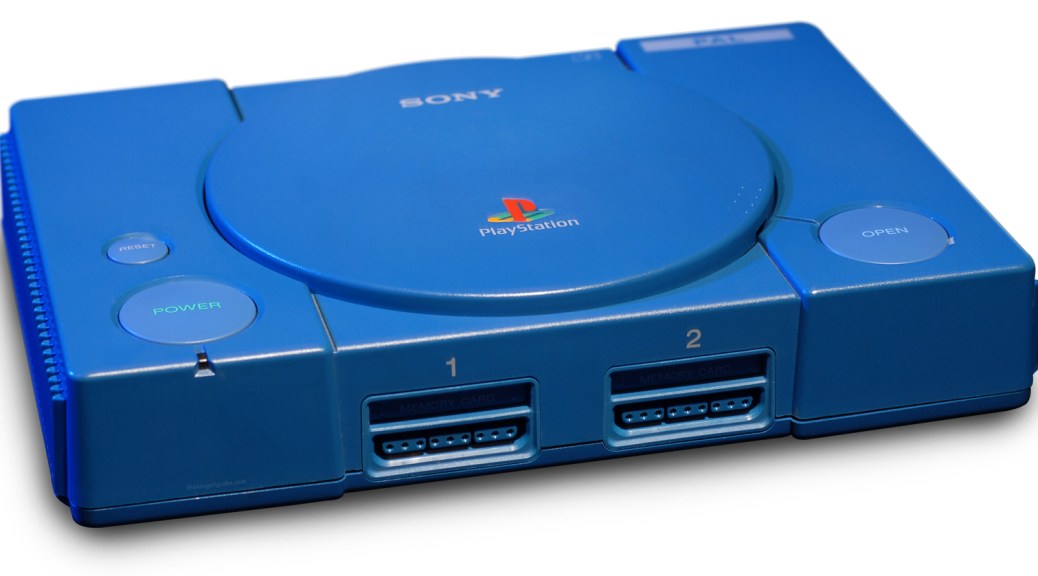
Sony PlayStation Special
The Sony PlayStation was the first machine in the PlayStation series of video game consoles and it came out in Japan first, in 1994, and in 1995 everywhere else. It is widely seen as being the console that changed gaming forever; the console that marked the transition from cartridge-based console gaming to CD-ROM based games, and also the console that ushered in a new era of 3D gaming. It was also the console that made Sony a major player in the video game business.
Over its eleven-year lifespan 7,918 individual games were released for the PlayStation, accumulating just under a billion sales overall. The console itself became the first to sell over 100 million units.
This week I’m going to be featuring screenshots from a number of my favourite PlayStation games. Some you might have heard of (or even played), others you might never have seen before. One thing is for sure, though: interest in the original PlayStation is still going strong, some 27 years after its initial release. And that’s because these great games endure, and because emulation has breathed new life into the format.
Oh, and if you’re wondering what the blue PlayStation is: that is a development PlayStation – used by developers to create and test the games themselves. The photos are of my very own console, taken by myself, specifically for this blog.
Here’s a full list of what was published:
Rapid Reload
Kula World
No One Can Stop Mr. Domino!
Ganbare Goemon: Uchuu Kaizoku Akogingu
Devil Dice
Revelations: Persona
Ultima Underworld: The Stygian Abyss
Pepsiman
Metal Gear Solid
Ridge Racer
Croc: Legend of the Gobbos
Strider 2
Jumping Flash!
Vib-Ribbon
Enjoy,
The King of Grabs
More: Sony PlayStation on Wikipedia


Ghoul Patrol, Super Nintendo
Ghoul Patrol is the 1994 sequel to Zombies Ate My Neighbors and it features gameplay and graphics very similar to its predecessor, which is no bad thing on the face of it, considering that Zombies Ate My Neighbors is a fun game.
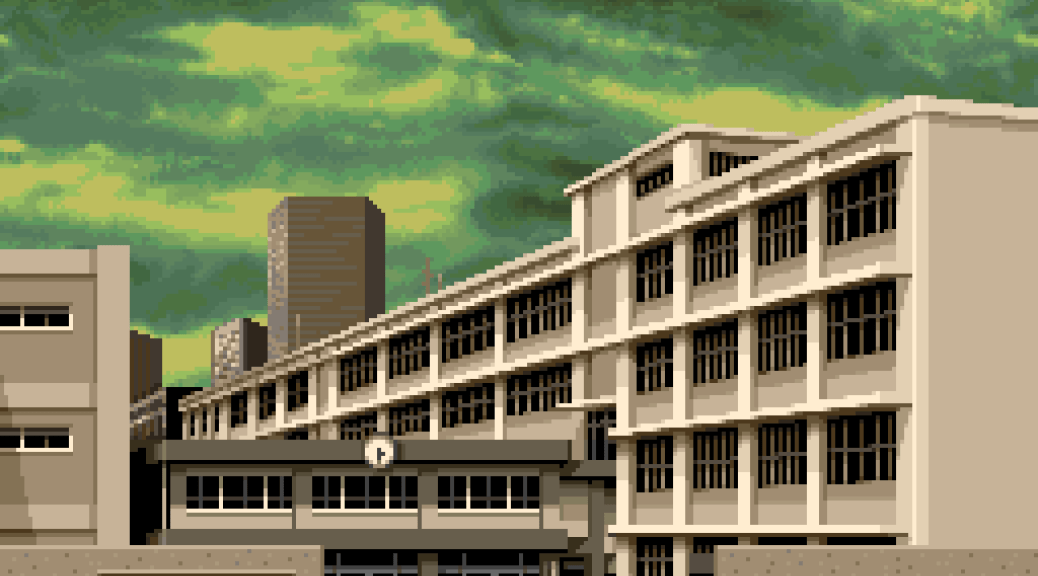
Shin Megami Tensei If…, Super Nintendo
Shin Megami Tensei If… is a spin-off from the main Shin Megami Tensei series that is smaller and more confined than previous games. It was developed and published by Atlus in 1994.
This time the story is set in a school where a bullied pupil tries to summon demons in the gym, to deal with his harassers, only to wind-up being possessed by them and threatening to destroy the world. You play a group of schoolkids who team-up to try to stop him.

Shin Megami Tensei II, Super Nintendo
Shin Megami Tensei II is the direct sequel to Shin Megami Tensei and was first published in Japan in 1994 by Atlus.
While the basic gameplay is essentially the same as before, with tile-based movement and first-person combat sections, overhead city map sections, and magic, occult and religious themes, the developers deliberately chose not to connect this sequel directly to its predecessor, so story-wise it is somewhat different, being set in the far-flung future.
 The King of Grabs