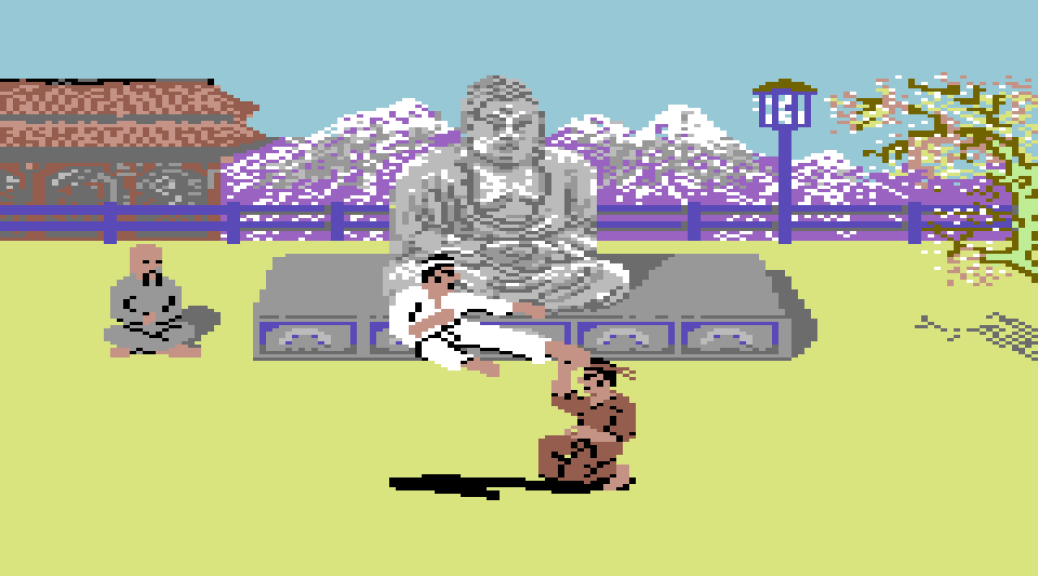
The Way of the Exploding Fist is a classic one-on-one martial arts fighting game, developed by Australian company Beam Software and published by Melbourne House in 1985.
Continue reading The Way of the Exploding Fist, Commodore 64
The Way of the Exploding Fist is a classic one-on-one martial arts fighting game, developed by Australian company Beam Software and published by Melbourne House in 1985.
Continue reading The Way of the Exploding Fist, Commodore 64
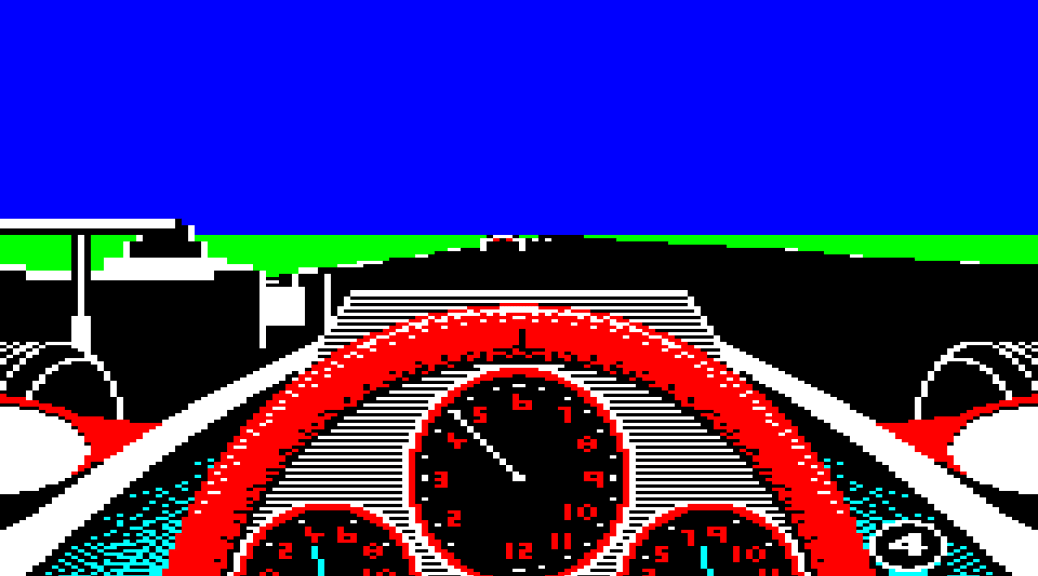
Geoff Crammond‘s racing simulator, Revs, is an absolute classic on the BBC Micro. It was the first ever racing game made for home computers that focused on realism, and it still plays amazingly well to this day. Revs was first published by Acornsoft in 1985.
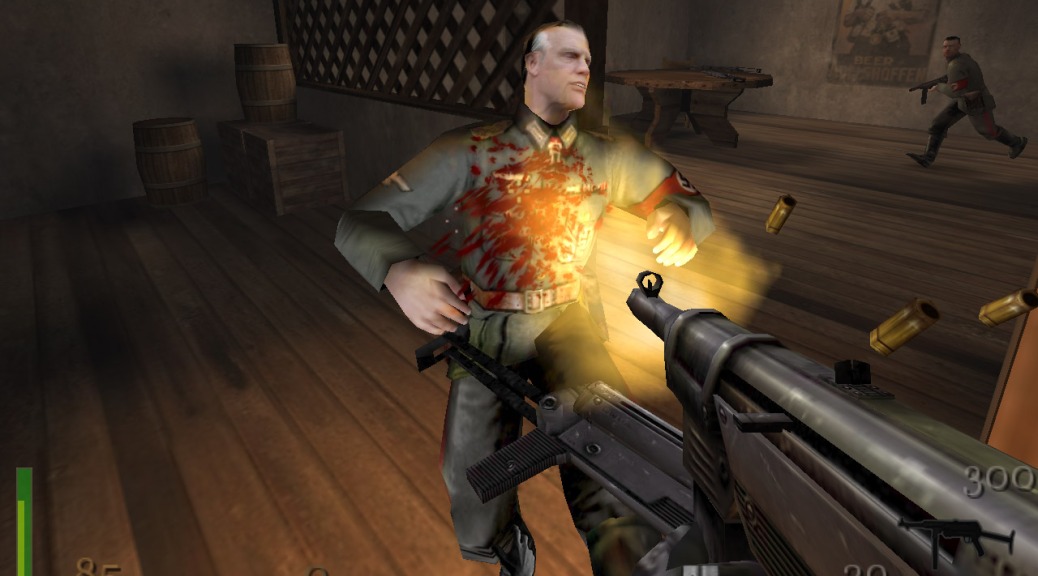
Return to Castle Wolfenstein is a re-imagining of id Software‘s classic Wolfenstein 3D, developed by Gray Matter Studios and first published by Activision in 2001. It uses the id Tech 3 engine (as created for Quake III) and has a single-player campaign, as well as a multiplayer component where players are split into Allies and Axis.
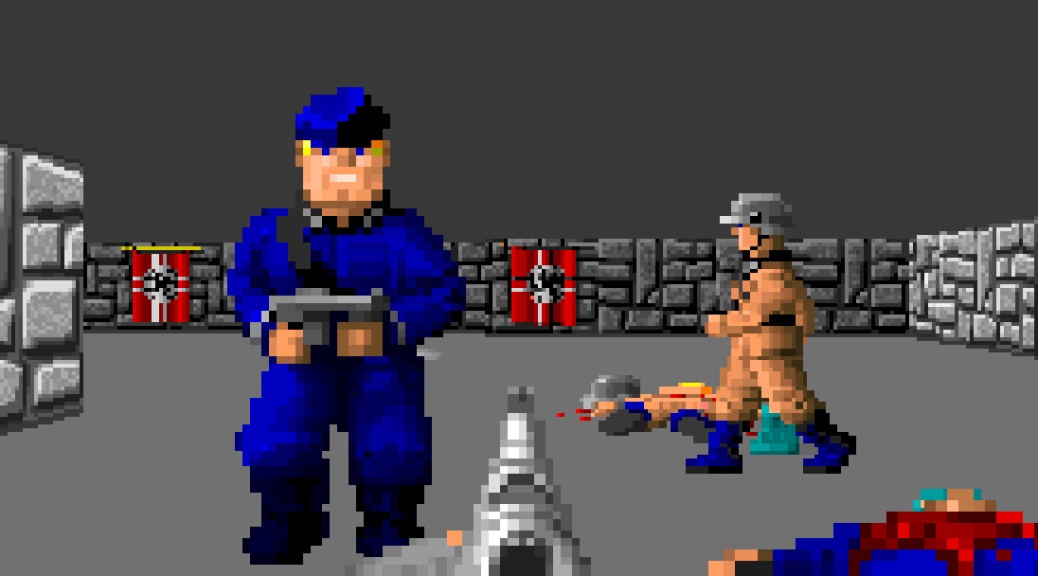
Wolfenstein 3D is an infamous first-person shooter, developed by id Software and published by Apogee Software in 1992. It is essentially a first-person remake of MUSE Software‘s overhead stealth game, Castle Wolfenstein, but with no stealth and lots of shooting.
Summer Games on the Sega Master System is a cut-down conversion of the classic Commodore 64 sports game from Epyx. It was ported by Sega and first released in 1988.
Energy Breaker is an isometric, tactical, turn-based RPG, developed by Neverland and published exclusively for the Super Nintendo by Taito in 1996. It was only ever released in Japan but does have an English fan translation patch available for it, which makes it playable to Western audiences.
Super Fantasy Zone is a conversion of the 1986 Sega arcade game, Fantasy Zone, re-programmed by Sunsoft and published by Sega in 1992. The game was initially only released in Japan and Europe, but North America did finally receive an official release of the game via Virtual Console in 2008. The game is also included on the Sega Genesis Mini.
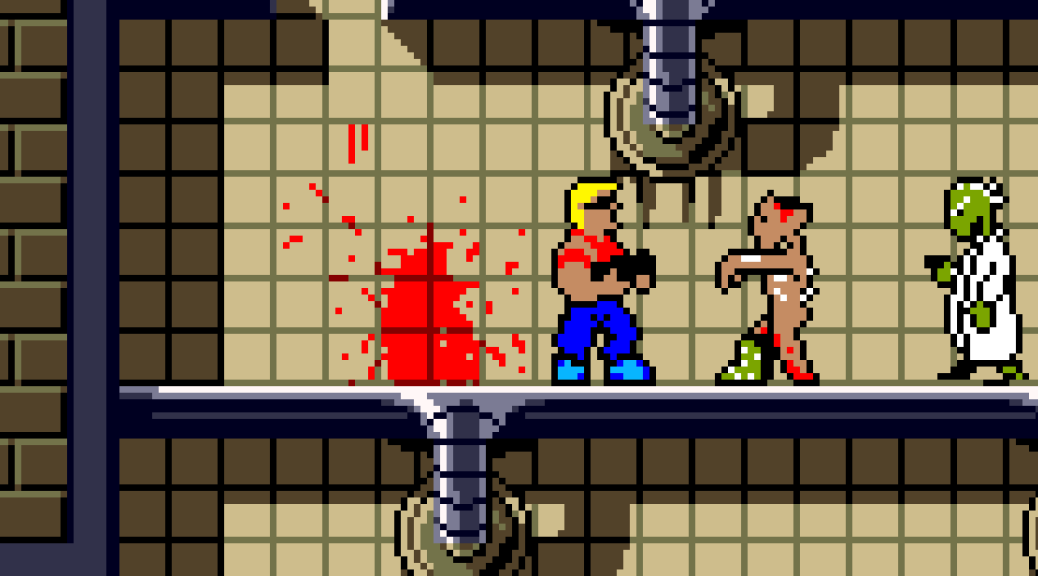
Duke Nukem on the Game Boy Color is a conversion of the classic MS-DOS game and was developed by Australian company Torus Games and published by GT Interactive in 1999. It is based on both Duke Nukem and Duke Nukem II although it plays more like the second game than the first.
Duke Nukem 3D is an infamous first-person shooter, developed and published by 3D Realms in 1996. It is the sequel to the platform games Duke Nukem and Duke Nukem II, which were released in 1991 and 1993 respectively, and it is arguably the biggest-selling and most popular game in the Duke Nukem series.
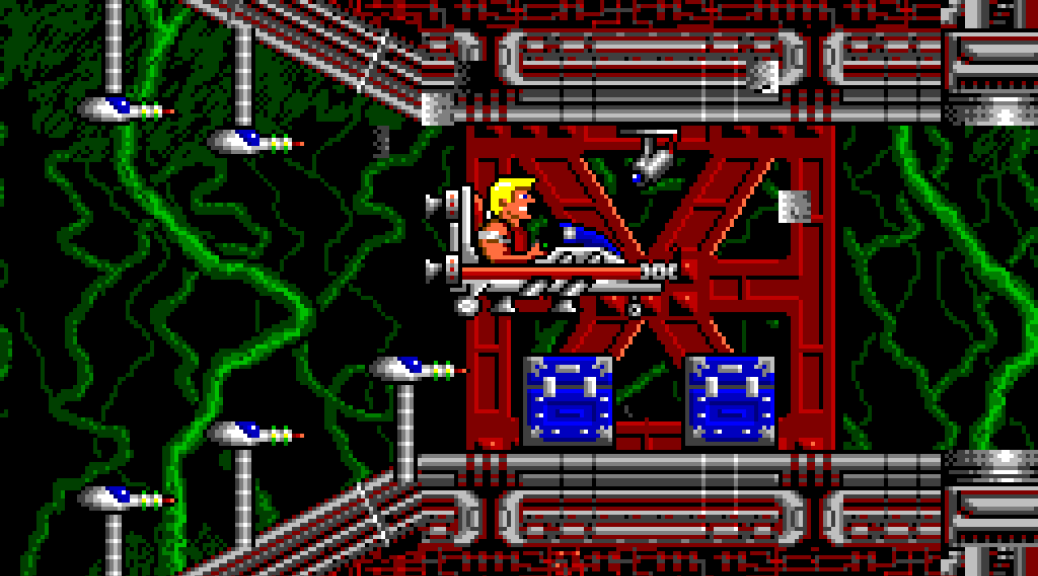
Duke Nukem II is the sequel to 1991’s Duke Nukem and is another side-scrolling, platform-based shooter, only this time with larger, bolder graphics and jerkier scrolling. It was once again developed and published by Apogee Software, and was first released in 1993.