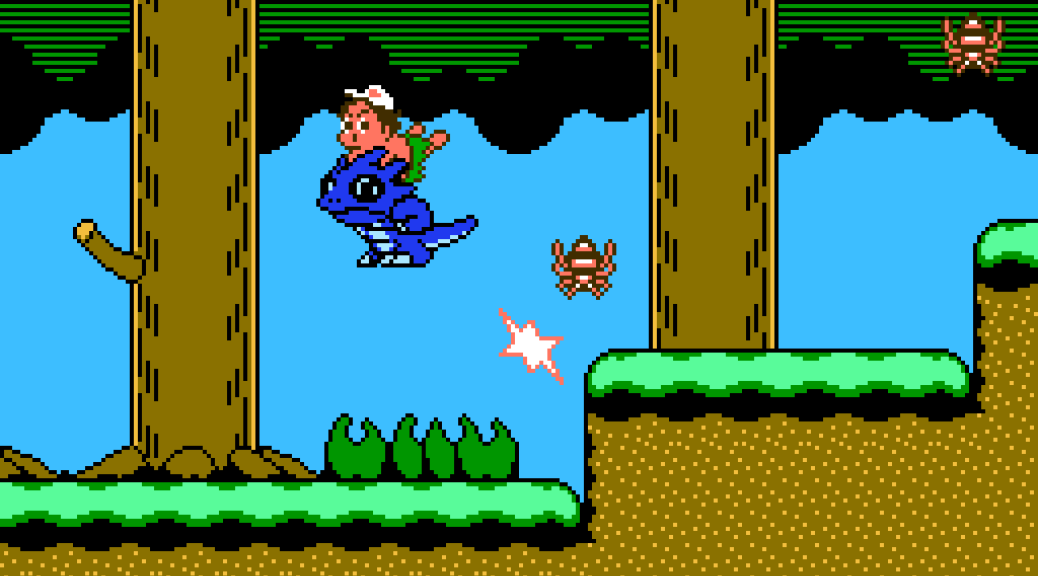
Adventure Island II is the sequel to Adventure Island, although whereas the first Adventure Island was an adaptation of the Wonder Boy arcade game, this second title in the series is an original game in its own right and features a number of improvements over the first Adventure Island. Adventure Island II was developed by Now Production and first published by Hudson Soft in 1991.
Tag Archives: Japanese

Adventure Island, NES/Famicom
Hudson Soft‘s Adventure Island on the NES/Famicom is an adaptation of Sega‘s Wonder Boy arcade game, although subsequent Adventure Island games were original titles and the series went on to become a relatively popular ‘spin-off’ in its own right. Adventure Island was initially released in Japan in 1986, then in North America 1988, and finally in Europe in 1992.

Frankenstein: The Monster Returns, NES/Famicom
Frankenstein: The Monster Returns was developed by TOSE Co. Ltd. and published for the Nintendo Entertainment System by Bandai, in North America only, in 1991. It is a side-scrolling platform game with beat ’em up elements, in much the same style as the early Castlevania games.
Continue reading Frankenstein: The Monster Returns, NES/Famicom
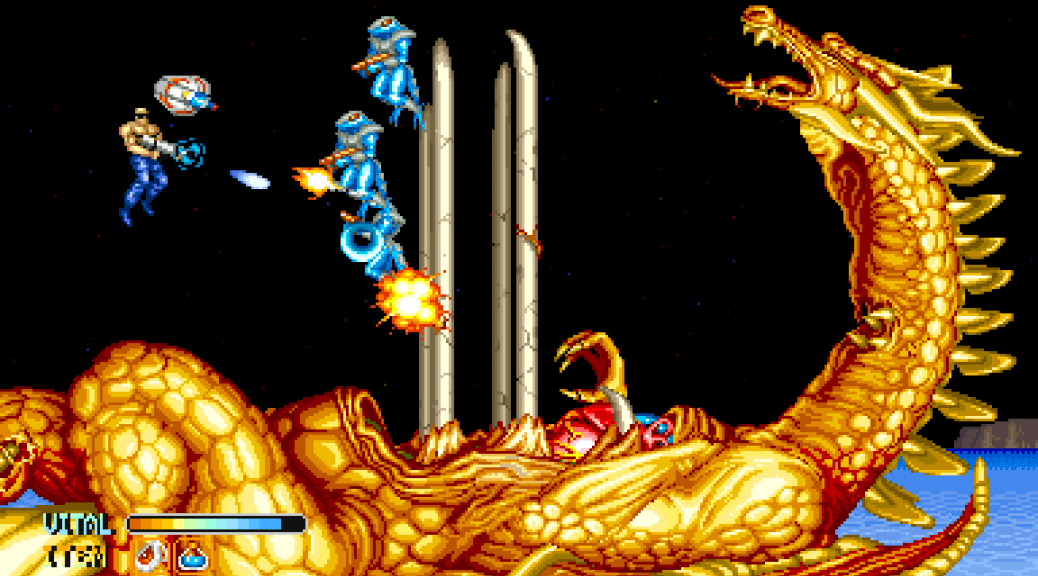
Forgotten Worlds, Arcade
Forgotten Worlds is a classic Capcom arcade shooter from 1988, with simultaneous two-player coop, a rotational aiming system, and intense bullet hell action set across a landscape of the desolate Earth in the 29th Century.

Maniac Mansion, NES/Famicom
The NES/Famicom version of Maniac Mansion was developed and published by Jaleco in 1990 and is still worth playing today. It’s a fine port of a great game and translates well enough to Nintendo‘s machine that it arguably plays even better than the C64 original (although many will cry “Sacrilege!” to that).

Mike Tyson’s Punch-Out!!, NES/Famicom
Mike Tyson’s Punch-Out!! was developed by Nintendo R&D3 and was first published by Nintendo in 1987. It is considered by many to be one of the greatest boxing video games ever made, with well-animated cartoon-style characters and an intuitive and responsive control system.

The Violinist of Hameln, Super Nintendo
The Violinist of Hameln is a side-scrolling platform game developed by Daft and published in 1995 by Enix and is based on the Japanese manga series of the same name. The game was a Japan-only release, but a fan-made translation patch is available to play the game in English.

Final Fantasy Mystic Quest, Super Nintendo
Final Fantasy Mystic Quest is a Role-Playing Game aimed at beginners and was the first Final Fantasy game released in English-speaking territories, coming out on the Super Nintendo through Square in 1992. It was actually released in North America first, then in Japan and Europe the following year. The game was released in Europe as “Mystic Quest Legend” which hints at its similarity to the classic Final Fantasy Legend series on the Game Boy.
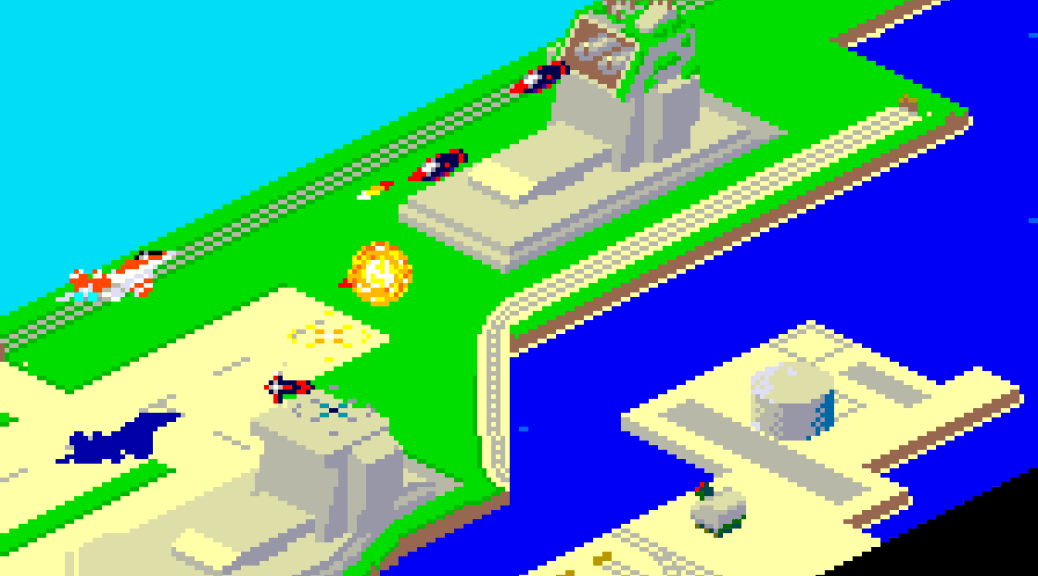
Future Spy, Arcade
In Sega‘s 1984 arcade game, Future Spy, you fly an F-15 jet fighter across an isometric landscape, shooting down enemy aircraft while at the same time dropping bombs on ships, submarines, and ground forces.
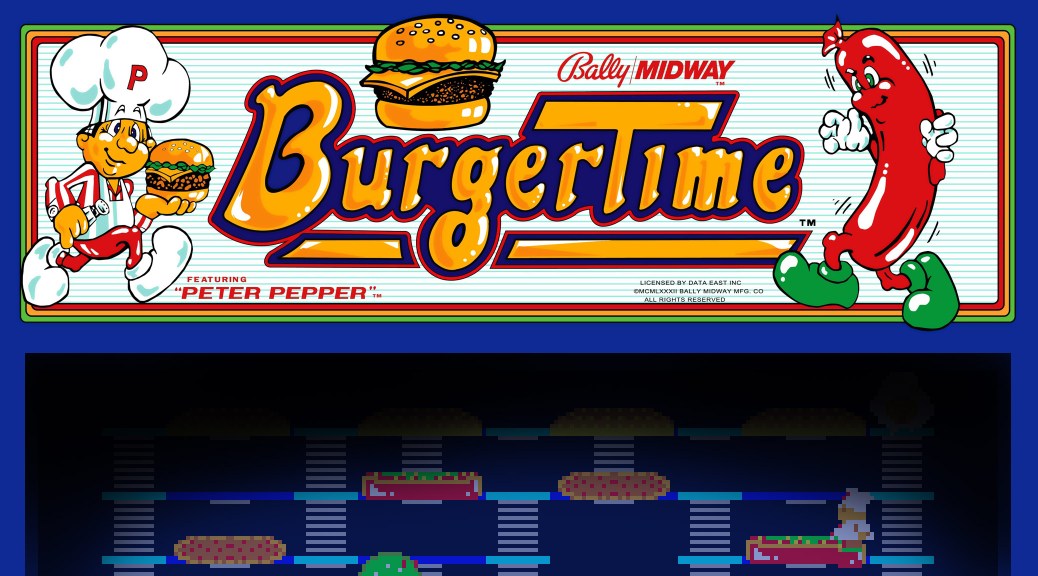
BurgerTime Special
Data East‘s classic arcade game, BurgerTime, has been converted and cloned many times since its initial release in 1982.

