
Patapon 3 – the third game in the Patapon series – was developed by Pyramid and SCE Japan Studio and published by Sony in 2011.
I have to admit that I’d never played any of the Patapon games until recently, and – wow – I’m very impressed!
Patapon 3 – the third game in the Patapon series – was developed by Pyramid and SCE Japan Studio and published by Sony in 2011.
I have to admit that I’d never played any of the Patapon games until recently, and – wow – I’m very impressed!
Castlevania: The Dracula X Chronicles is a 2007 remake of the 1993 PC Engine CD game, Castlevania: Rondo of Blood, with 3D graphics, but used in a 2D, side-scrolling manner.
Gameplay is identical to most other Castlevania games – even though it uses 3D graphics – and Konami must be given credit for not mucking it up, even though they could easily have done that.
A handheld spin-off from the infamous Grand Theft Auto: Vice City, this one made by Rockstar Leeds (in association with Rockstar North), and published on the PlayStation Portable in 2006.
The Acorn Archimedes conversion of the classic Cannon Fodder is pretty much identical to the Amiga original, even down the music, which is not always the case with Cannon Fodder conversions.
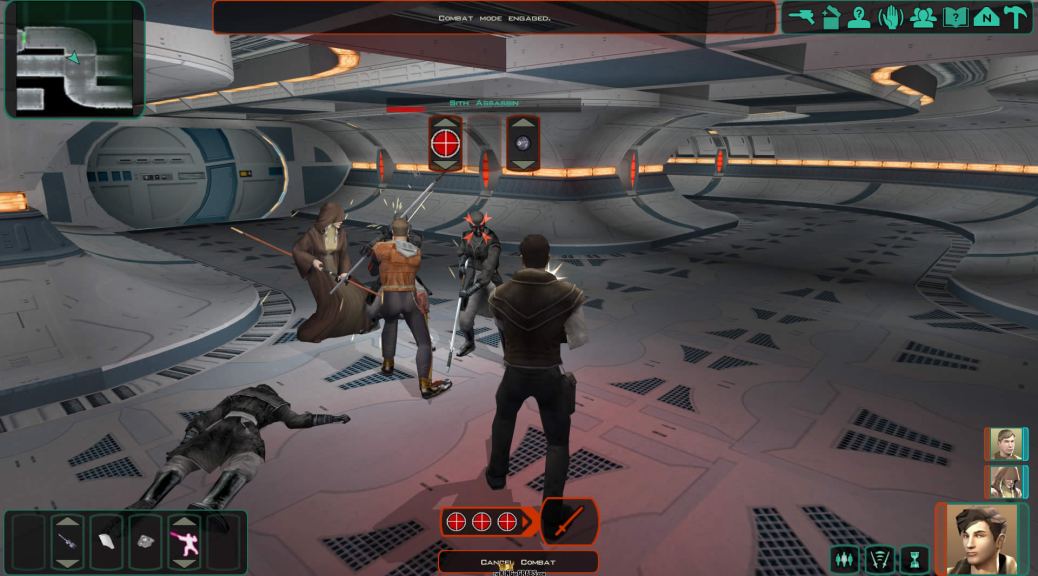
Developed by Obsidian and published by LucasArts in 2004, Knights of the Old Republic II: The Sith Lords is a fitting sequel to one of the best Star Wars games of all time.
Continue reading Star Wars: Knights of the Old Republic II – The Sith Lords, PC
LucasArts/Bioware‘s 2003 release, Knights of the Old Republic, is thought by some to be the best Star Wars game ever made.
It’s a hardcore RPG in the style of Neverwinter Nights (also by Bioware) and other realtime/turn-based hybrids of the early 2000s.
Asylum is one of those games that looks a bit rubbish, but – when you get into playing it – you gradually realise that it’s actually really rather good.
It’s a scrolling, run-and-gun-style platform game with cartoony graphics and bouncy jumping, and you pick up better weapons and collect bonus items for extra points.
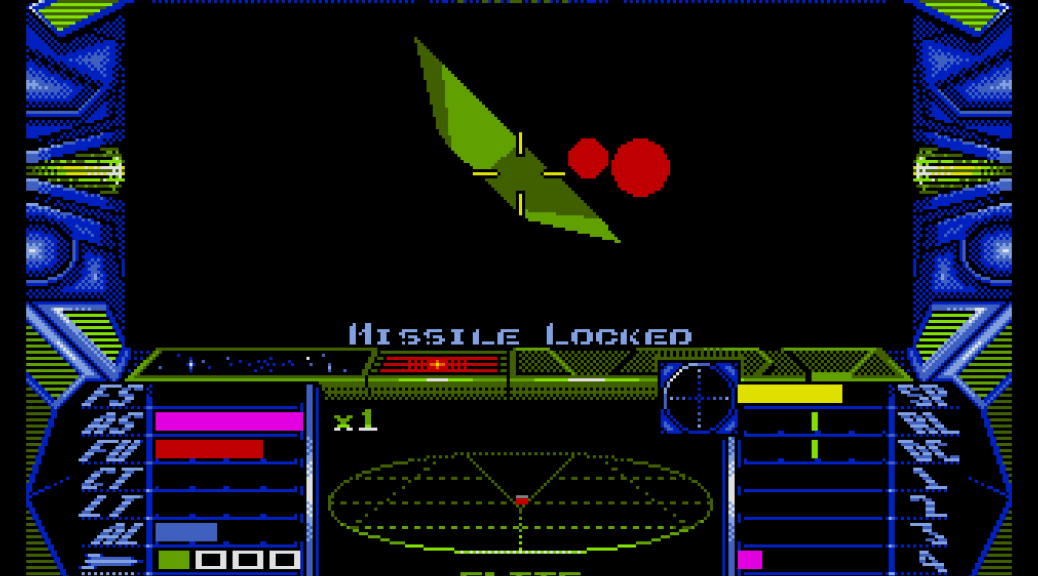
The Acorn Archimedes conversion of Bell and Braben‘s classic Elite was written by Warren Burch and Clive Gringras and published by Hybrid Technology in 1991.
It is considered by many to be the definitive version of Elite available, although that is both a matter of taste, and also a matter of actually getting the game to run in a RISC OS environment.
Developed by Imagineer, the Nintendo Entertainment System version of Elite is pretty good – considering that the NES isn’t particularly suited to generating wireframe 3D graphics. Yes, the wireframe 3D is slow (like in all the 8-bit versions of Elite), but not to the point where it makes the game unplayable.
Developed by Mr. Micro and published by Firebird in 1988 the Atari ST version of Elite is pretty much identical to the Amiga version – in terms of graphics and gameplay.




 The King of Grabs