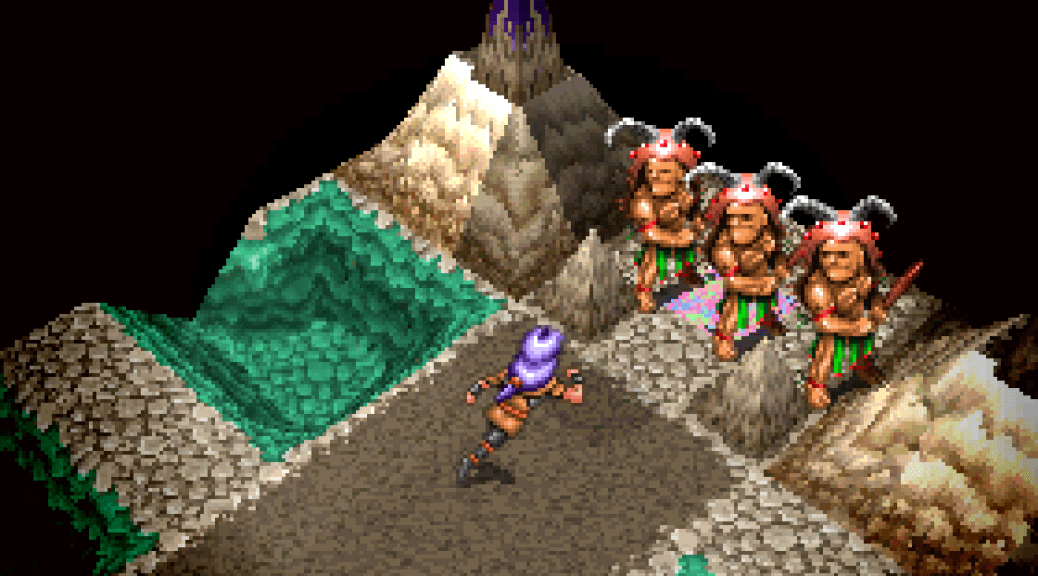
Lucienne’s Quest is a Japanese Role-Playing Game developed by Microcabin for the 3DO. It is, in fact, the only traditional JRPG released for the 3DO and was initially released in Japan in 1995. The game was localised into English and released in North America in 1996 by Panasonic.
Tag Archives: Turn-Based

Another Bible, Super Game Boy
Another Bible is the fourth game in the Megami Tensei ‘Last Bible‘ spin-off series and was originally released for the original Game Boy, in Japan only, in 1995. An English fan translation, by Aeon Genesis, was released in 2002 and the game is also Super Game Boy compatible, so that’s the version I’m showing here.

Vradark’s Sphere, ZX Spectrum
Vradark’s Sphere is a Roguelike fantasy role-playing game that was created by Aleksander Udotov, for 128K Spectrums, and first released in 2018. To me it is the epitome of what I would call “Modern Retro” (ie. a modern game, made to look old or be played on old hardware), and it looks and plays fantastically well.

Megami Tensei Gaiden: Last Bible III, Super Nintendo
The third game in the Last Bible series (a subseries of the Megami Tensei games), was developed by Multimedia Intelligence Transfer and published by Atlus – in Japan only – for the Super Famicom in 1995. It is a Role-Playing Game with random encounters and turn-based combat, and features the unique Megami Tensei trait of talking to monsters to try to recruit them, calling them into your party, and fusing them together to make more powerful monsters who will fight with you. This is a Japanese-only release that currently benefits from fan translations into both English and Spanish, which makes this excellent game playable to a good proportion of the Western world.
Continue reading Megami Tensei Gaiden: Last Bible III, Super Nintendo

Megami Tensei Gaiden: Last Bible II, Game Boy Color
Megami Tensei Gaiden: Last Bible II is the second game in the Last Bible series, which is a spin-off from the Megami Tensei RPG series. Last Bible II was originally released in Japan in 1993 for the original B&W Game Boy, with the Game Boy Color version coming out in 1999, some six years later. Neither version was ever officially released in the West, but there is an English fan translation for the Game Boy Color version, which is what I’m showing here.
Continue reading Megami Tensei Gaiden: Last Bible II, Game Boy Color
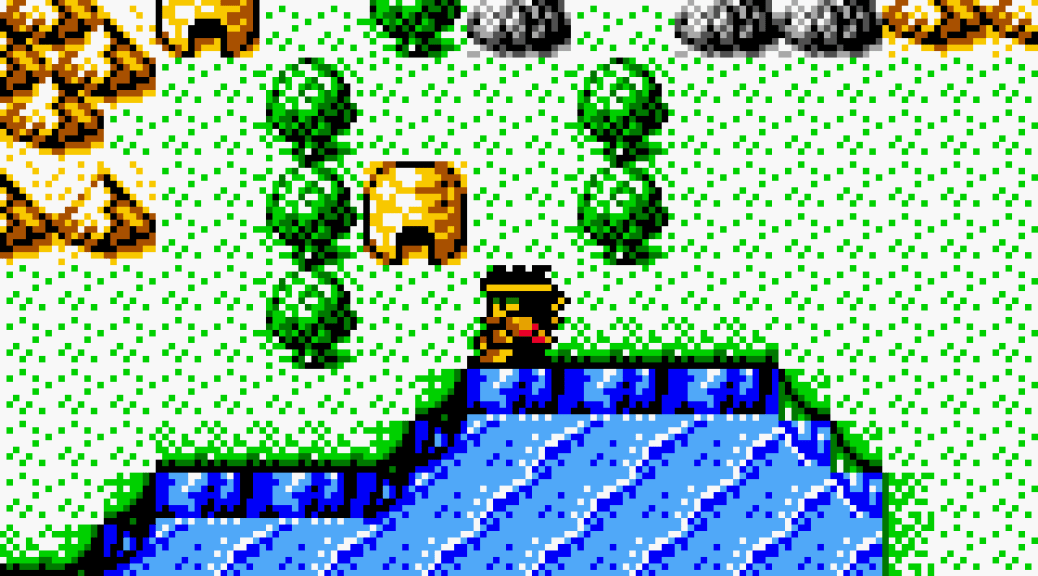
Revelations: The Demon Slayer, Game Boy Color
Revelations: The Demon Slayer is the localized English language version of Megami Tensei Gaiden: Last Bible, which was first released for the original Game Boy, in Japan only, in 1992. This Game Boy Color version was developed by Multimedia Intelligence Transfer and published by Atlus, in Japan and North America, in 1999.
Continue reading Revelations: The Demon Slayer, Game Boy Color

Megami Tensei Gaiden: Last Bible, Game Gear
Megami Tensei Gaiden: Last Bible is a handheld RPG that was developed by Multimedia Intelligence Transfer and initially published by Atlus for the original black and white Game Boy, in Japan only, in 1992. The Game Gear version was developed by Sega and was first released in 1994 – once again: in Japan only. A fan translation into English was released in 2019, which made the Game Gear version finally playable to Westerners. Which is great because the Game Gear port is the best version of the game available. Let me explain…
Continue reading Megami Tensei Gaiden: Last Bible, Game Gear
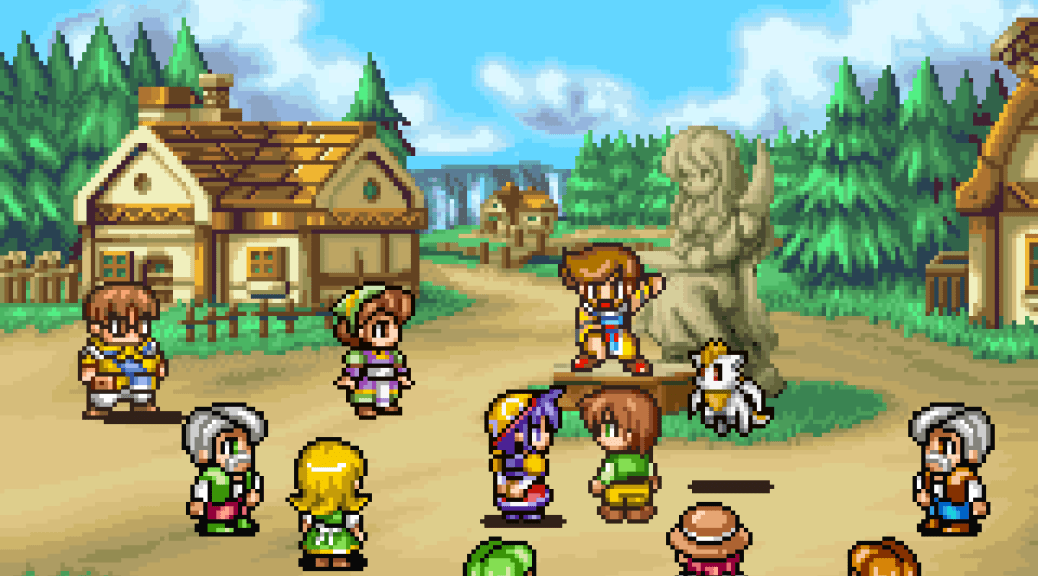
Lunar Legend, Game Boy Advance
Developed by Japan Art Media and published internationally by Ubisoft in 2002, Lunar Legend is a handheld remake/re-telling of Game Arts‘ classic RPG, Lunar: Silver Star Story Complete, with new graphics, content and story changes.
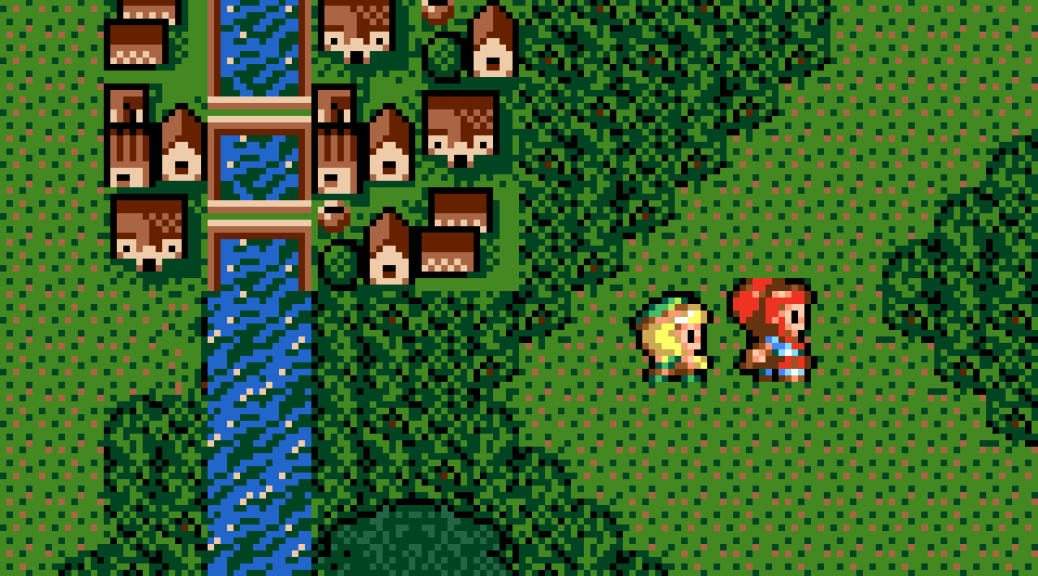
Lunar: Walking School, Game Gear
Lunar: Walking School (aka Lunar: Sanposuru Gakuen) is a Game Gear exclusive handheld RPG first released in 1996. It is a spin-off/side story from the main Lunar series published by Game Arts. This ‘Walking School‘ edition was developed by Ehrgeiz and written by Studio Alex.
Again: thanks to the efforts of fans a number of translation patches exist to make the game playable to non-Japanese speakers/readers.

Final Fantasy Mystic Quest, Super Nintendo
Final Fantasy Mystic Quest is a Role-Playing Game aimed at beginners and was the first Final Fantasy game released in English-speaking territories, coming out on the Super Nintendo through Square in 1992. It was actually released in North America first, then in Japan and Europe the following year. The game was released in Europe as “Mystic Quest Legend” which hints at its similarity to the classic Final Fantasy Legend series on the Game Boy.
 The King of Grabs