
Brain Lord is a strangely-titled, obscure Japanese action RPG developed by Produce! and published by Enix for the Super Nintendo in 1994. The game was officially translated into English and released in North America, but was never released in Europe.
Tag Archives: puzzles
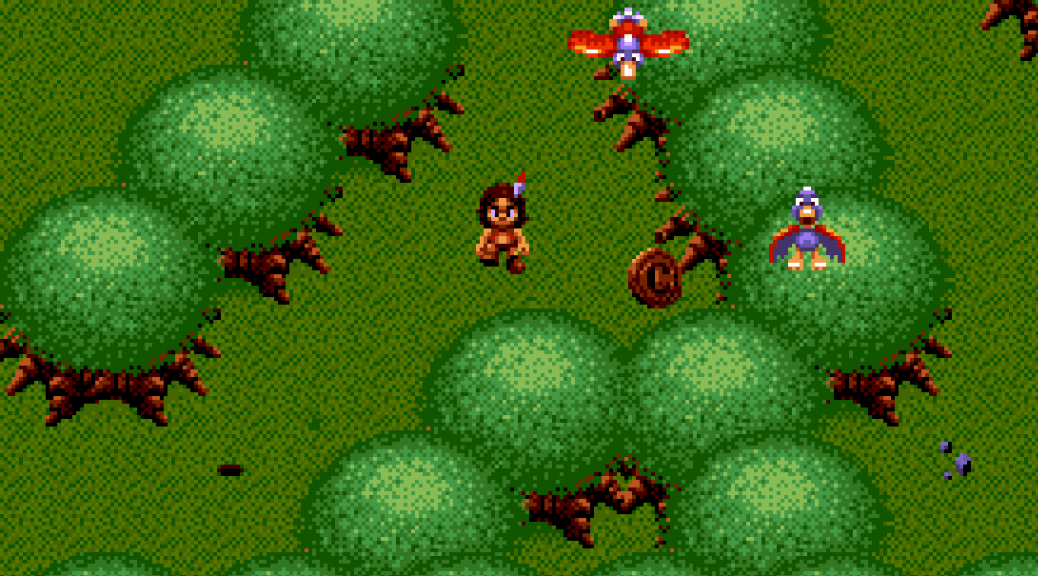
Legends, Amiga
Legends is a cutesy action adventure game developed for the Amiga by Yorkshire-based Krisalis Software and first published in 1996 by Guildhall Leisure Services. It takes many of its cues from Nintendo‘s early Zelda games, but unfortunately doesn’t come close to the greatness of those games.

Castle Master II: The Crypt, Amstrad CPC
Castle Master II: The Crypt is the sequel to the ghost-hunting Freescape game, Castle Master, and it was released by Domark in 1990 as part of a double pack with the first Castle Master. As far as I know it was never published as a stand-alone title.
The Crypt is the same as Castle Master in many respects, except that the puzzles and environments are obviously different. The controls and aims are the same as before: destroy the spirits before they destroy you; find keys to open doors, and loot the treasures inside a haunted crypt to score points as you go.

Castle Master, Amstrad CPC
Castle Master is a first-person 3D adventure game set in a haunted castle, where the aim is to destroy spirits before they overwhelm you. The game uses the famous Freescape engine, which was an early 3D engine for creating polygonal environments. It was developed by Incentive Software and first published by Domark in 1990.
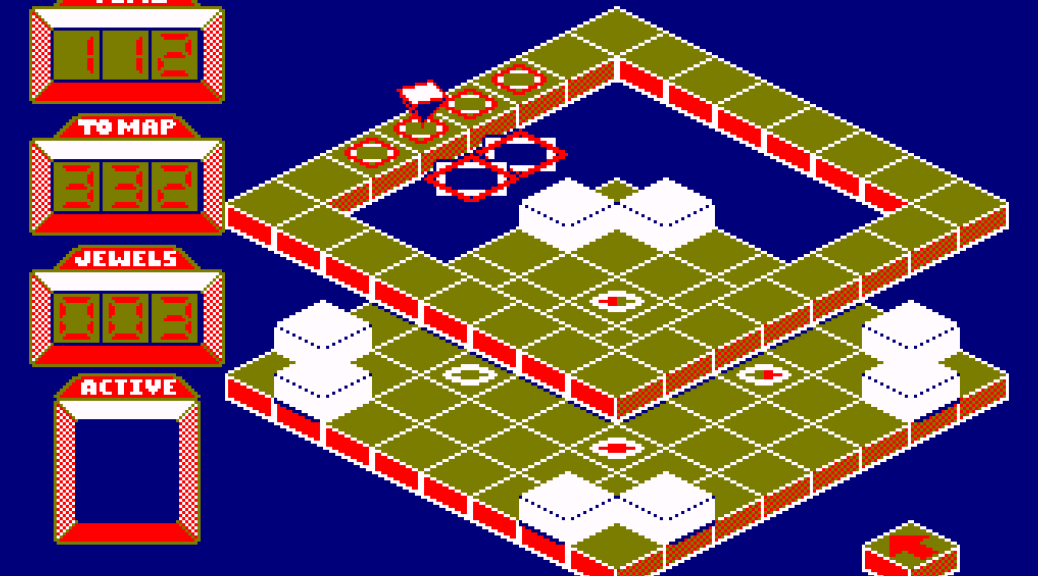
Spindizzy, Amstrad CPC
I was always under the impression that Paul Shirley‘s classic Spindizzy originated on the Commodore 64 and was ported to other machines, but this interview with Shirley says that the game actually originated on the CPC and was ported to other systems. Since Paul Shirley coded the C64 version himself I had guessed that that was a logical assumption to make, but it now looks to be wrong.
The Amstrad version of Spindizzy – one of the best games ever made in my humble opinion – is pretty much perfect, with crisp, clean, detailed graphics and responsive controls.
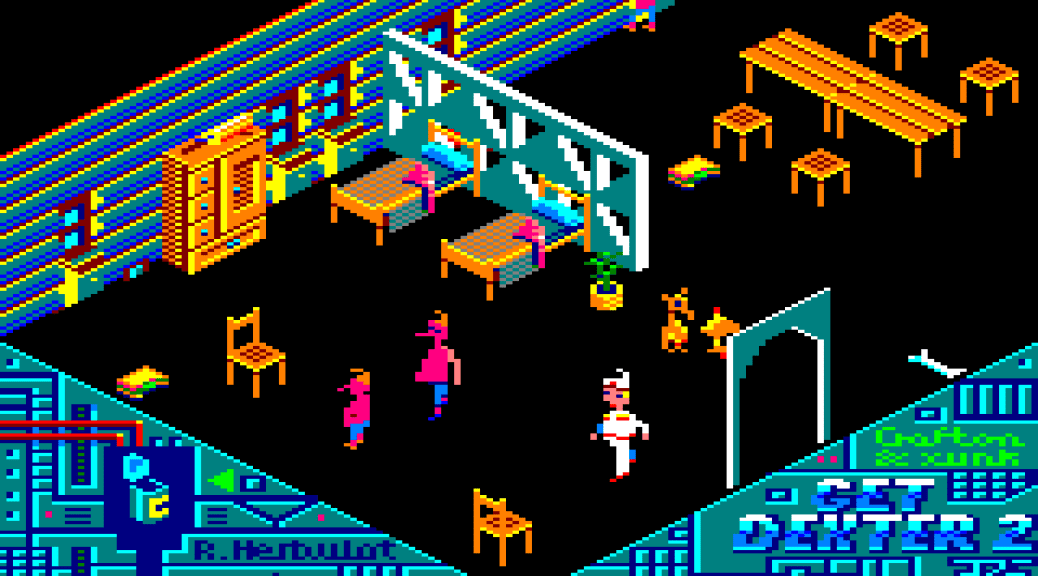
Get Dexter 2, Amstrad CPC
The sequel to the classic Amstrad adventure, Get Dexter, is more of the same isometric puzzle-solving, and weird futuristic adventuring, except that this time the game world is comprised of interlinked exterior screens rather than a simple maze of rooms.

Get Dexter, Amstrad CPC
Get Dexter is an isometric action puzzle game originally released for the Amstrad CPC in 1986. It was programmed by Remi Herbulot with graphics by Michel Rho. In its native France the game is known as “Crafton & Xunk“, which I always thought was a bizarre title for a video game.

The Kristal, Amiga
The Kristal is an obscure British adventure game based on an un-produced theatre play written in 1976 (called “The Kristal of Konos“), developed by Fissionchip Software and published by Addictive Games in Europe and Cinemaware in North America. The fact that Cinemaware picked up The Kristal for distribution in the US and Canada is a surprise in itself, as that kind of thing didn’t happen very often back in 1989 when this game was first released.
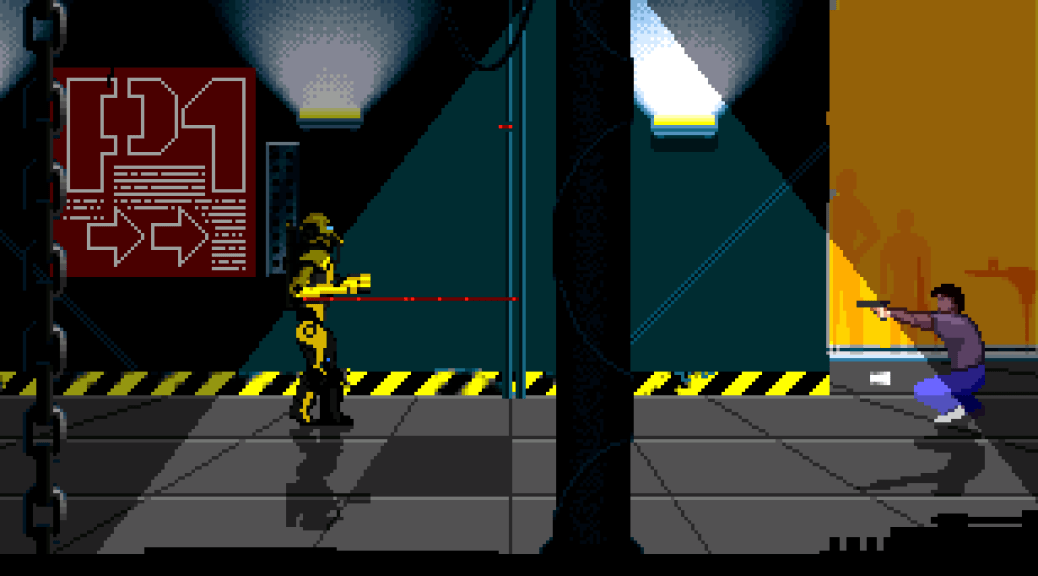
OnEscapee, Amiga
This rather obscure Prince of Persia/Another World/Flashback tribute was created by Hungarian developer Invictus Games exclusively for the Amiga 1200 in 1997. It was initially released on CD-ROM only, which is strange as the Amiga 1200 didn’t come with a CD drive, so players had to purchase an external CD-ROM drive or somehow transfer the game to a hard drive and play it that way. Invictus later re-released the game as freeware for Windows, in 2004, to coincide with the company’s 10th anniversary.

Jack the Nipper II: In Coconut Capers, ZX Spectrum
As the title suggests, this is the sequel to the classic Spectrum ‘naughty kid’ game, Jack the Nipper. Jack the Nipper II: In Coconut Capers was again written by Greg Holmes (with graphics help by Terry Lloyd) and published by Gremlin Graphics. It first came out on the ZX Spectrum in 1987.
Continue reading Jack the Nipper II: In Coconut Capers, ZX Spectrum
 The King of Grabs