
Archer MacLean‘s seminal Commodore 64 shooter, Dropzone is like a cross between Defender and, erm, Defender, but with more realistic graphics. And slightly different gameplay. But the principles are pretty much the same: super-fast, super-smooth, side-scrolling shooting. Avoid touching anything – or it’s instant death.
Tag Archives: influential

International Karate Plus, Commodore 64
Archer Maclean’s IK+ (International Karate Plus) ushered in a new wave of fighting game on the Commodore 64, back in 1987.
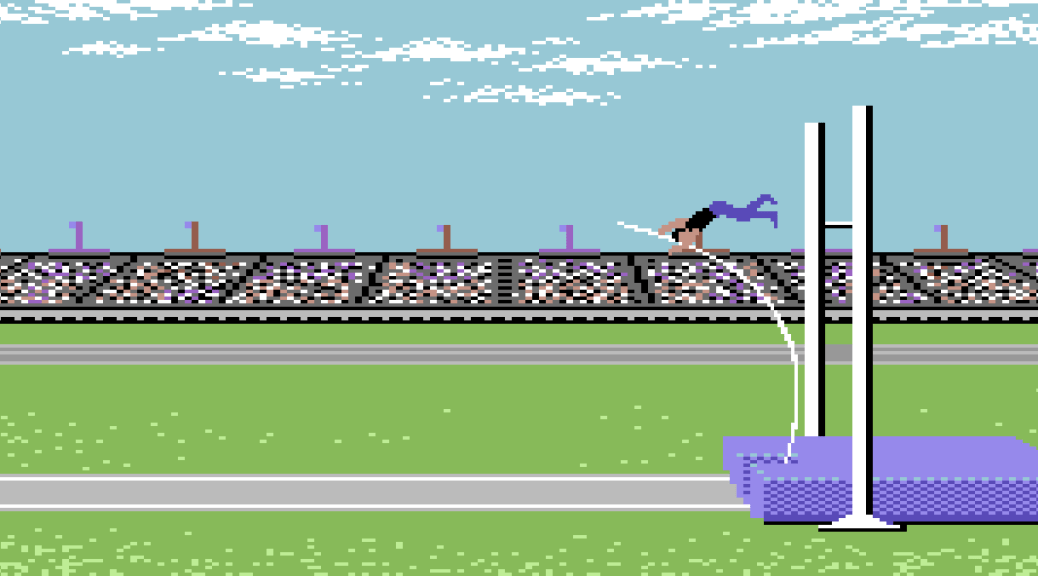
Summer Games, Commodore 64
The first of the ground-breaking/award-winning Epyx multi-event sport games, Summer Games was first released way back in 1984.

Nebulus, Commodore 64
John Phillips‘ fabulous Nebulus attracted rave reviews when it was first released in 1987, and – to be honest – it still gathers rave reviews now. The Commodore 64 original in particular.

Lunar Jetman, ZX Spectrum
Another hugely memorable Ultimate game (and the official sequel to the hit game Jet Pac), Lunar Jetman was first released in 1983 for the ZX Spectrum.
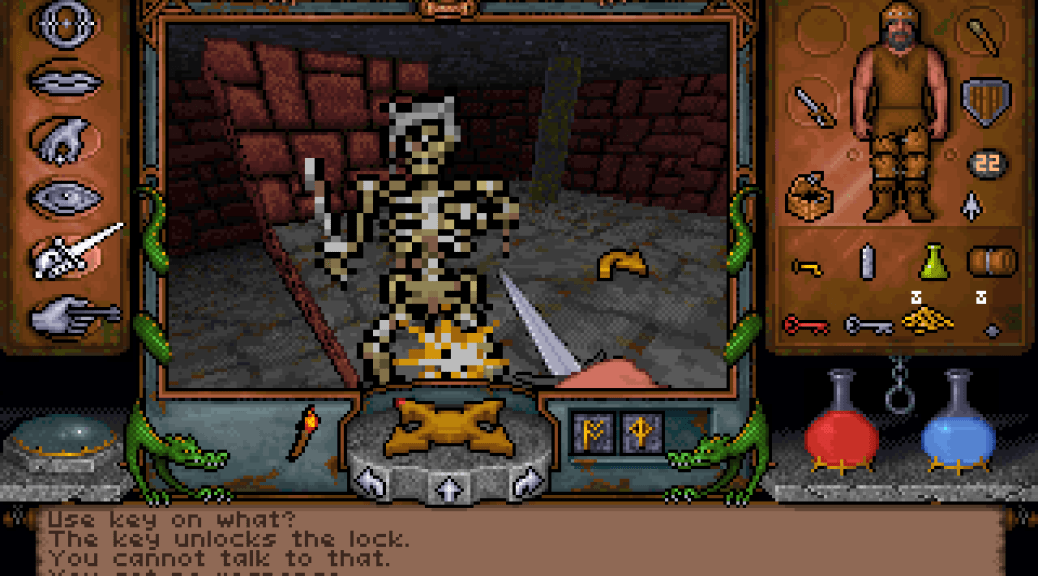
Ultima Underworld: The Stygian Abyss, PC
The first of two ground-breaking Ultima Underworld games made by Looking Glass Technologies (formerly known as Blue Sky Productions) and Origin Systems.
The Stygian Abyss, first released in 1992, is one of the first Role-Playing Games to feature first-person action in a 3D environment.
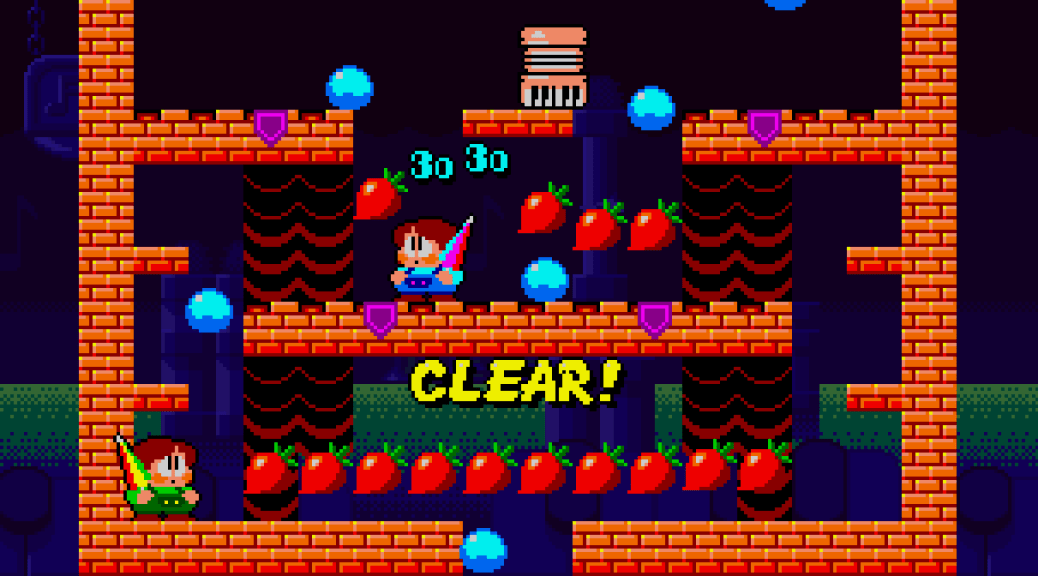
Parasol Stars, Amiga
Parasol Stars is a wonderful sequel to Taito‘s classic Rainbow Islands, although it was never released in arcades.
The game was initially developed exclusively for the NEC PC Engine in 1991, and later released on other formats by Ocean Software. The brilliant Amiga version was released in 1992 and remains a firm favourite among Bubble Bobble series fans.

Underwurlde, ZX Spectrum
Ultimate Play The Game‘s Underwurlde was first released on the ZX Spectrum in 1984 and was the company’s eighth release (actually a simultaneous release with Knight Lore), and the third game featuring the lead character ‘Sabreman’ (Sabre Wulf and Knight Lore being the other two).

Quake II, PC

Elite Plus, PC
There were many versions of the classic space combat/trading game, Elite. The best, though, is arguably Elite Plus on the PC in VGA. Made by Chris Sawyer of Realtime Software in 1991.

