Tag Archives: food

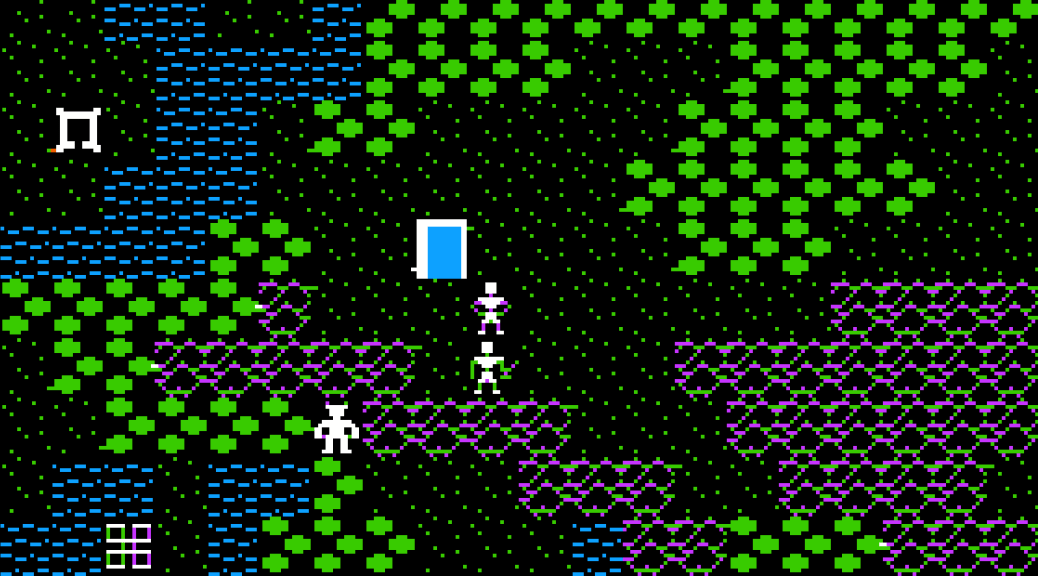
Ultima II: The Revenge of the Enchantress, Atari 8-bit

The Atari 8-bit conversion of Ultima II: The Revenge of the Enchantress was developed and published by Sierra On-line in 1983, coming out not long after the original Apple II version.

Continue reading Ultima II: The Revenge of the Enchantress, Atari 8-bit

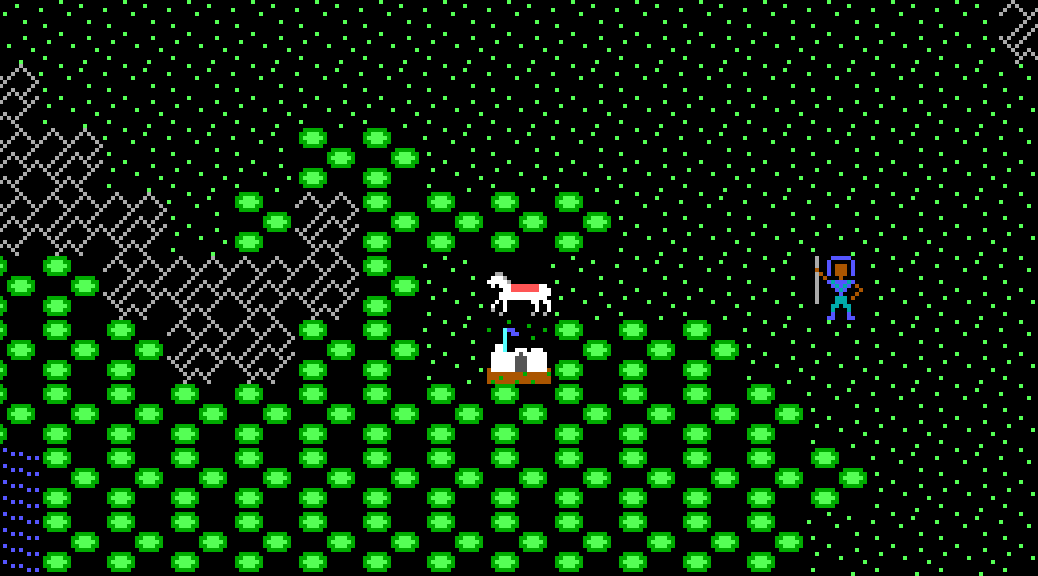
Ultima II: The Revenge of the Enchantress, Apple II

Ultima II: The Revenge of the Enchantress is the sequel to Ultima and is the second game in the Ultima series. It was first released in 1982 for the Apple II. The game was initially published by Sierra On-Line, but a dispute over royalties for the PC version led series creator Richard Garriott to start his own company, Origin Systems.

Continue reading Ultima II: The Revenge of the Enchantress, Apple II

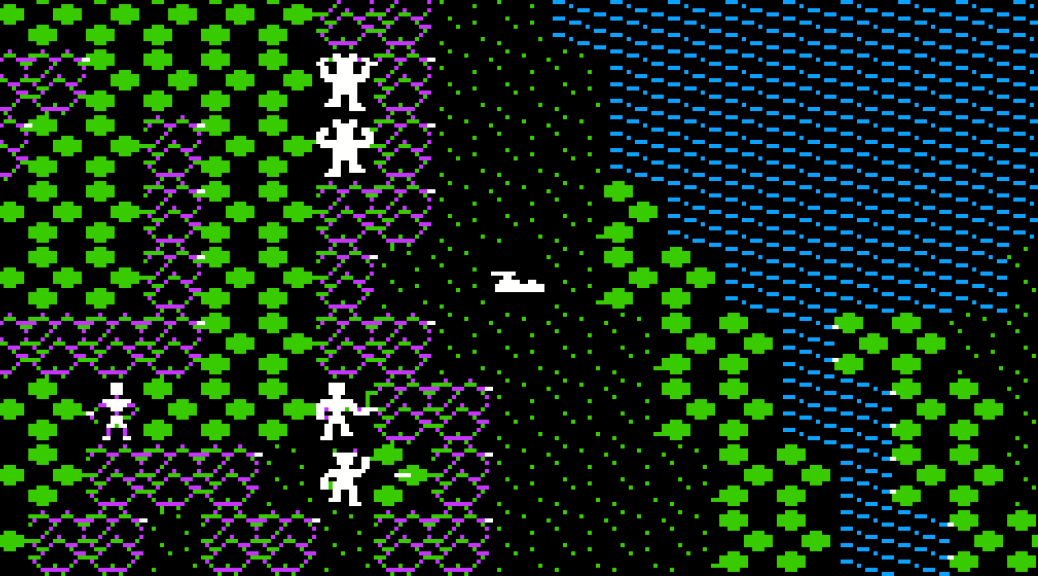
Ultima I: The First Age of Darkness, PC

The first game in the Ultima series was initially released for the Apple II in 1981 by California Pacific Computer and was later completely re-coded and re-named as “Ultima I: The First Age of Darkness” for a re-release through Origin Systems. The 1987 MS-DOS re-code – shown here – is still available to buy as part of an Ultima 1+2+3 package on GOG.com (at the time of writing).

Continue reading Ultima I: The First Age of Darkness, PC

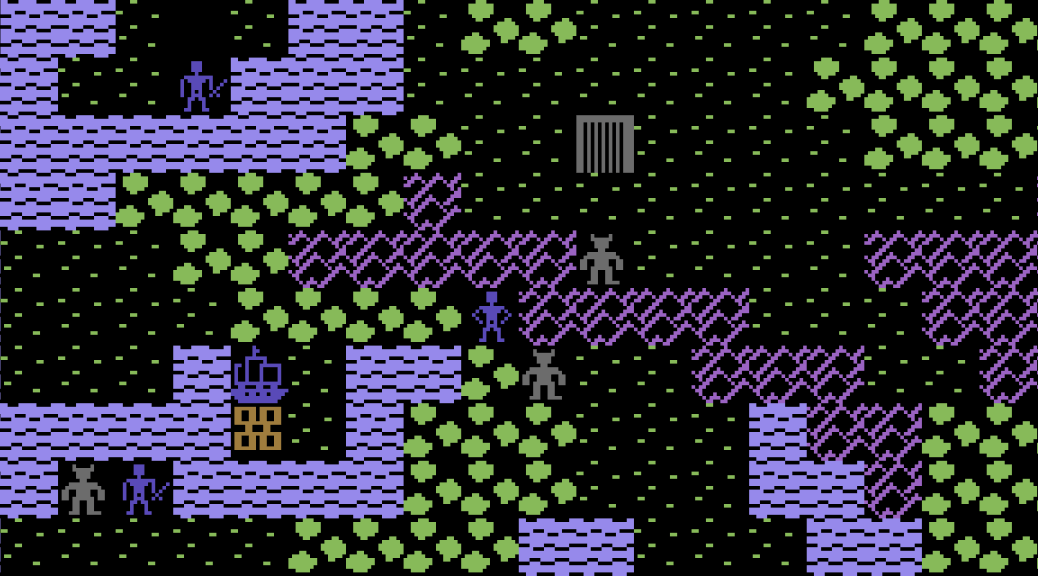
Ultima I: The First Age of Darkness, Commodore 64

Although the first Ultima game was an Apple II original, the Commodore 64 version of this early RPG is arguably the best-known. Re-made and released in 1986, the C64 version of Ultima [one] features colourful graphics and absorbing gameplay that is pretty much identical to the Apple II remake.

Continue reading Ultima I: The First Age of Darkness, Commodore 64

Ultima I: The First Age of Darkness, Apple II

This first game in Richard Garriott‘s Ultima series was initially released for the Apple II in 1981 by California Pacific Computer and was originally called just “Ultima“. It was later re-named as “Ultima I: The First Age of Darkness” when it was re-made and re-released by Origin Systems in 1986. This 1986 re-code features improved graphics and gameplay, with a number of significant changes made to bring the game up-to-date with market conditions in the mid 1980s, and that is the version I’m featuring here. If you want to see the original 1981 version (and an explanation of how to play the game), click here.

Continue reading Ultima I: The First Age of Darkness, Apple II

Ultima, Atari 8-Bit

Released in 1983 by Sierra On-Line, Ultima on the Atari 8-bit is more archaic and frustrating than the original Apple II version. And it looks pretty awful too, with a real lack of colour – especially in towns where the game is in monochrome unless you play on a machine (and monitor) that supports “artifacting“. In artifacting mode the dungeon and town graphics look similar to Apple II graphics, but they don’t really take advantage of the Atari‘s superior graphics capabilities.

Continue reading Ultima, Atari 8-Bit

Ultima, Apple II

The original 1981 Apple II version of Richard Garriott‘s Ultima was the first version of Ultima ever released. It was published by California Pacific Computer and is a stripped-down version of the more widespread re-release version put out by Origin Systems in 1986 (which can be seen here).

Continue reading Ultima, Apple II

SonSon II, PC Engine

SonSon II is the 1989 sequel to Capcom‘s 1984 arcade game, SonSon, and was developed by NEC Avenue and released exclusively for the PC Engine. Once again it is loosely based on the adventures of the “Monkey King” as popularised by the 16th-century Chinese novel Journey to the West.

Continue reading SonSon II, PC Engine

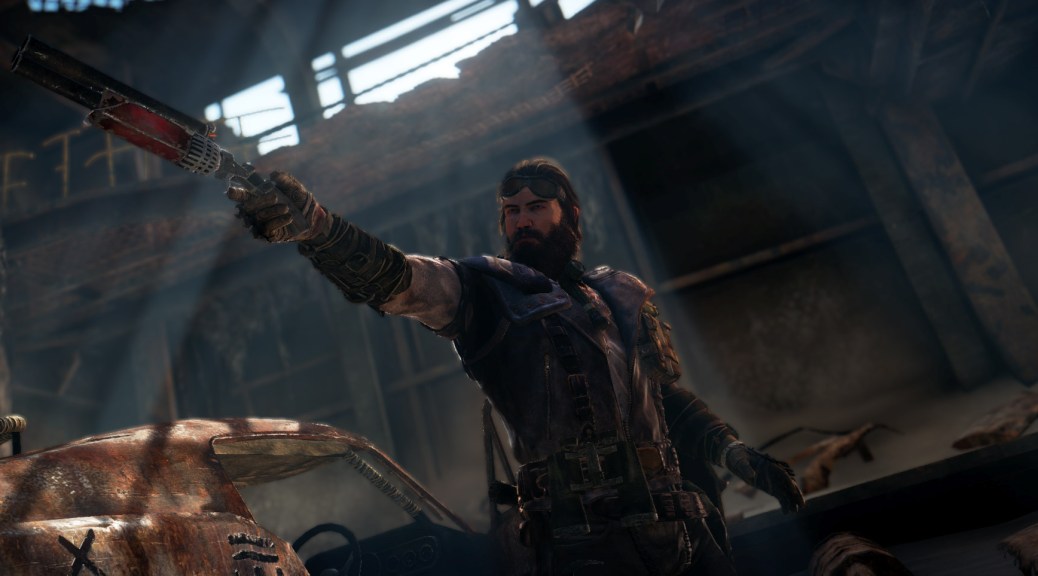
Mad Max, PC

The 2015 game, Mad Max, was developed by Swedish company Avalanche Studios and published by Warner Brothers Games. It is an action/adventure/Role-Playing Game based on the hit 2015 film, Mad Max: Fury Road, and it is pretty bloody amazing!

Continue reading Mad Max, PC

Monkey Puncher, Game Boy Color

Monkey Puncher is a bizarre animal-based strategy game developed by Atelier Double/Taito and published by Event Horizon Software in the year 2000. In it you must train a monkey to become a successful boxer by showing him how to train, by feeding him food, and by praising him when he does good. You don’t actually control the monkey itself, but instead you devise a plan to increase its statistics in the hope that it’ll win matches.

Continue reading Monkey Puncher, Game Boy Color