
This Commodore 64 clone of Data East‘s classic BurgerTime was coded by Lee Braine, with music by Chris Cox, and was first published Interceptor Software in 1984.
Tag Archives: food

Mr. Wimpy, Commodore 64
The Commodore 64 version of Ocean Software‘s Mr. Wimpy was programmed by David Selwood and was first published in 1984. And unfortunately this simple BurgerTime rip-off has a similar problem to the terrible BBC Micro version, although this time it’s an issue getting on to ladders – not off of them (which is a big problem in the BBC version). In the C64 version you’ll lose lives unnecessarily, because the fast-moving enemies will often get you while you’re struggling to line yourself up to climb a ladder. Which can be hugely frustrating. It’s not quite as bad as the BBC version, but it’s still a tangible problem with the controls.

Mr. Wimpy, BBC Micro
The BBC Micro conversion of Ocean Software‘s infamous BurgerTime rip-off, Mr. Wimpy, was coded by Richard Kay and first released in 1984. And – without any hesitation – I can say that it is absolutely terrible.
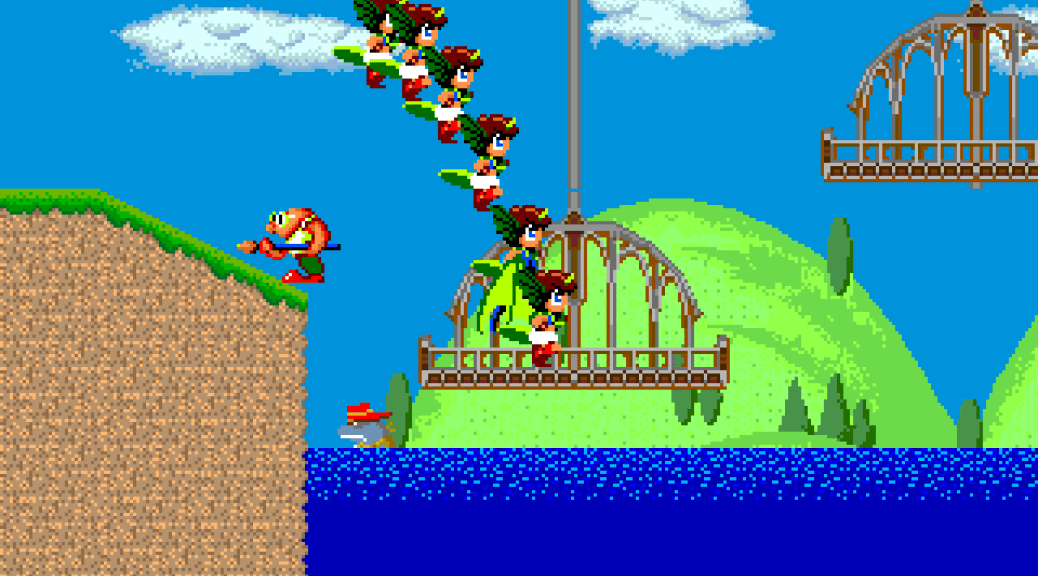
Marvel Land, Megadrive/Genesis
This Megadrive/Genesis port of the Namco arcade game, Marvel Land, is a reasonably close conversion of the relatively obscure scrolling platform game from 1990. This home console version was first released in 1991.

Marvel Land, Arcade
Marvel Land is a cute, colourful, scrolling platform arcade game, first released by Namco in 1990. The European version was called “Talmit’s Adventure“.
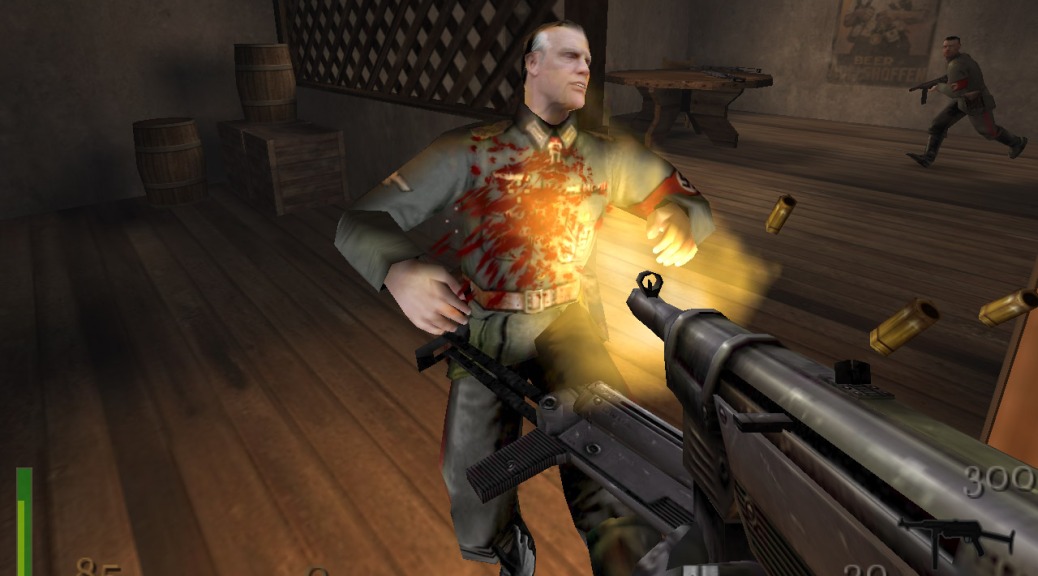
Return to Castle Wolfenstein, PC
Return to Castle Wolfenstein is a re-imagining of id Software‘s classic Wolfenstein 3D, developed by Gray Matter Studios and first published by Activision in 2001. It uses the id Tech 3 engine (as created for Quake III) and has a single-player campaign, as well as a multiplayer component where players are split into Allies and Axis.

Ultima IX: Ascension, PC
Ultima IX: Ascension is the ninth and final instalment of the core Ultima series and was developed by Origin Systems and published for Windows-based PCs by Electronic Arts in 1999. It was the first Ultima game to use polygonal rendering in a full 3D environment.

Ultima VII: The Black Gate, Super Nintendo
The only version of Ultima VII: The Black Gate that is available for any system other than the PC is the Super Nintendo port, first released by FCI/Pony Canyon in 1994. It is a much simplified version of the game, but is still fun to play if you like old school RPGs.
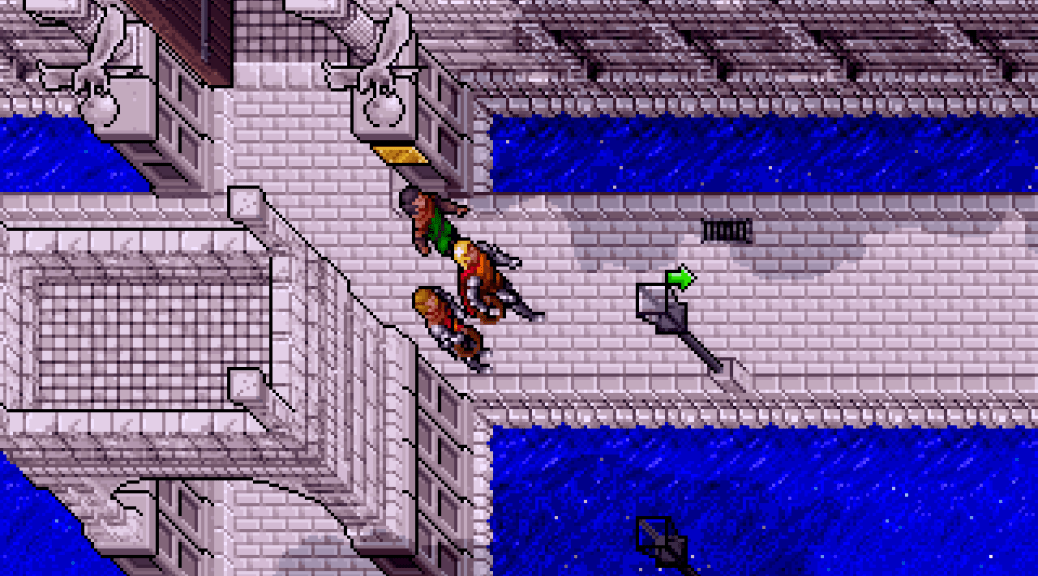
Ultima VII Part Two: Serpent Isle, PC
Serpent Isle is an oddity in the Ultima series in that it is a direct sequel to the previous game – Ultima VII: The Black Gate – which uses the same game engine, but with a few enhancements. It was published by Origin Systems in 1993 and only ever appeared on the PC, running under MS-DOS.

Ultima VII: The Black Gate, PC
Ultima VII: The Black Gate is the seventh game in the Ultima series and the first part of the “Age of Armageddon” trilogy, and was first released for PC MS-DOS by Origin Systems in 1992. The game is highly-rated among RPG fans and even series creator, Richard Garriott, describes Ultima VII as “the most masterfully-executed” of the Ultima series.

