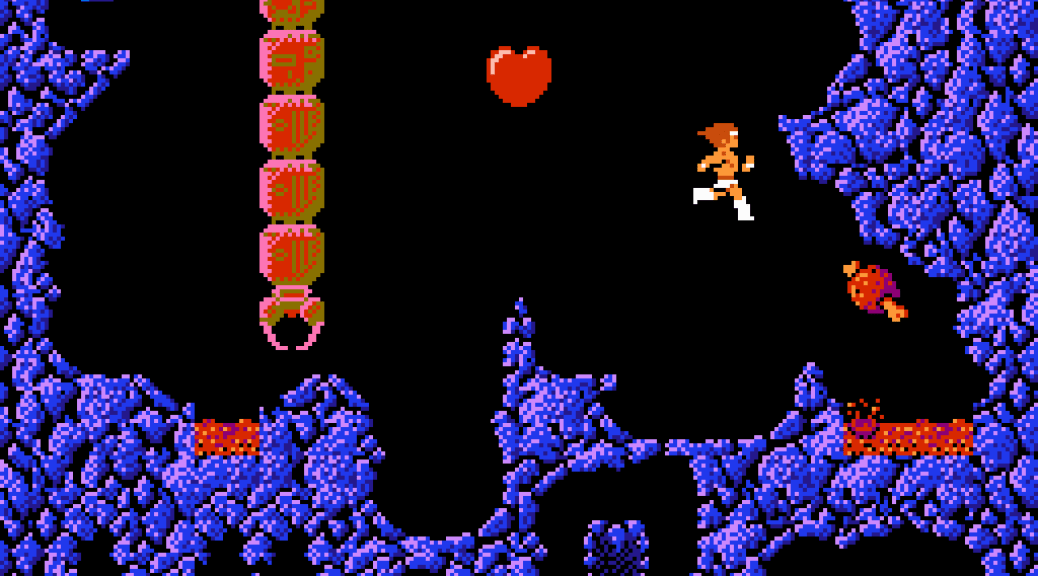
Fire Rock is an obscure-but-interesting platform game that was released for the Famicom Disk System in Japan in 1988.
The game features a jittery main character who jumps and climbs around a cave-like environment.
Fire Rock is an obscure-but-interesting platform game that was released for the Famicom Disk System in Japan in 1988.
The game features a jittery main character who jumps and climbs around a cave-like environment.
Esper Dream is a superb real-time, combat-based Role-Playing Game for the Famicom Disk System. It was developed by Konami and released in Japan in 1987.
Now this is a weird one… Monty On The Run (aka Monty no Doki Doki Daidassou) is a bizarre Japanese conversion of a famous British platform game. It was released by Jaleco in 1987 and bears little resemblance to the classic original.
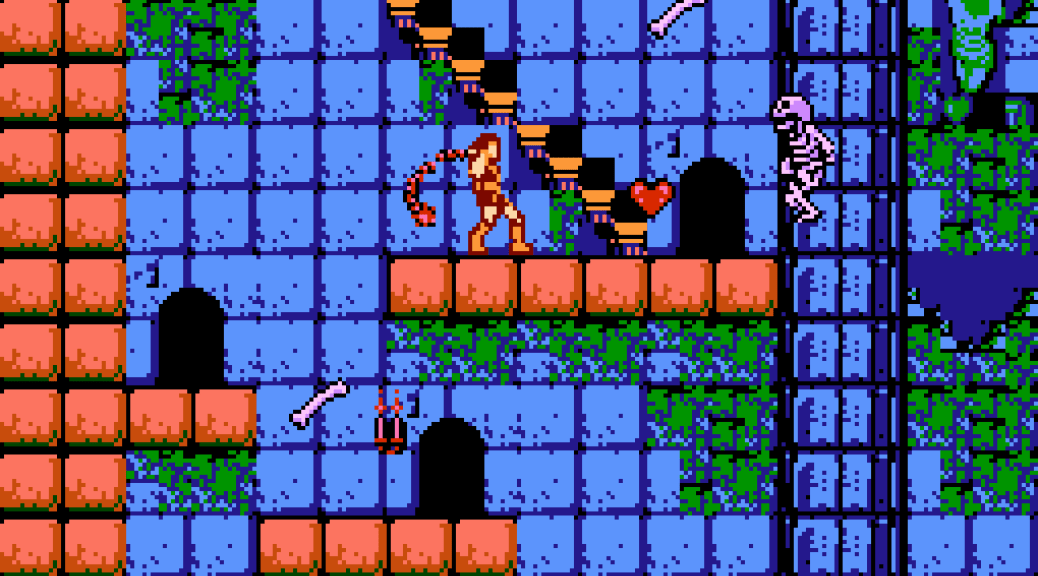
Released on 26th September 1986 in Japan, Akumajō Dracula (translating as: “Demon Castle Dracula“) was the very first release in the Castlevania series, predating the MSX version of the game by about a month. Konami released it on the Famicom Disk System where it quickly became a hit with Japanese gamers.
It began a long-running series of platform/horror-themed video games and set the template for the Castlevania series as a whole.
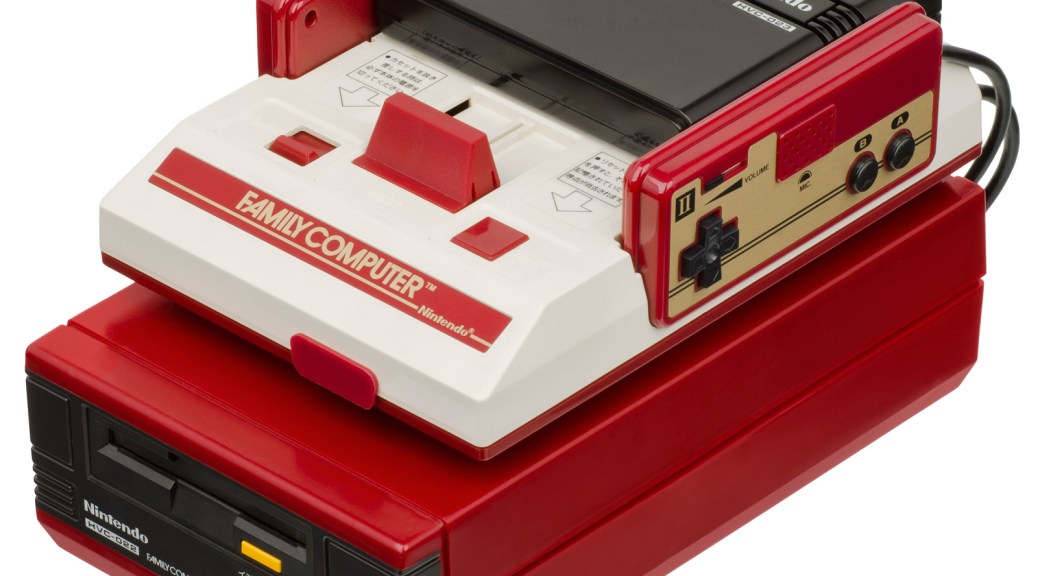
The Famicom Disk System (FDS) was a peripheral for the Nintendo Entertainment System (NES) that allowed games to be loaded from disk rather than cartridge. Not only that but it also had extra RAM on board and an extra sound chip.
The second game in the infamous Cotton series, developed by Success and released into arcades first, then converted to the Sega Saturn in 1997.
Continue reading Cotton 2: Magical Night Dreams, Sega Saturn
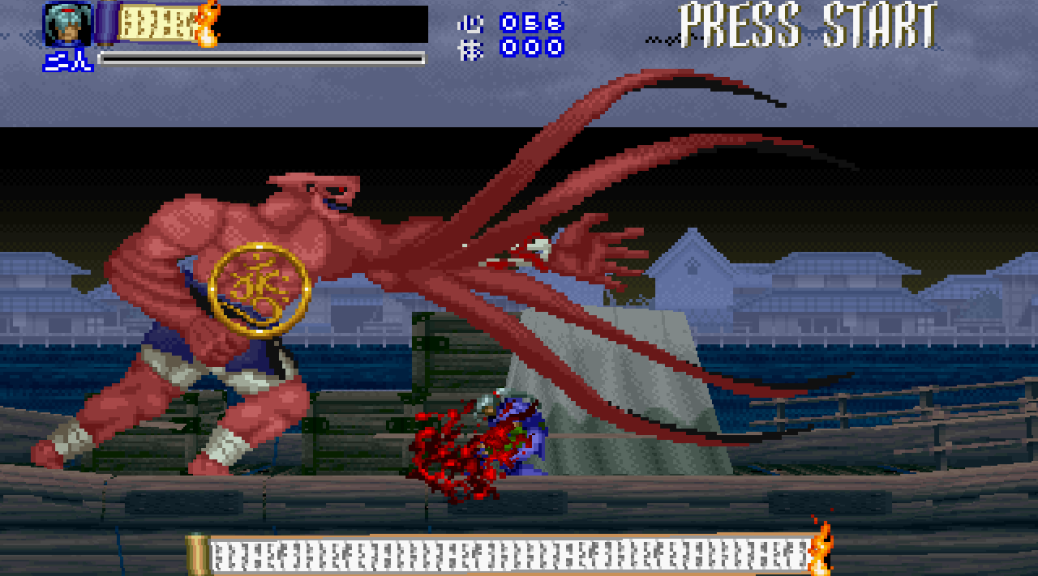
Never officially released in English-speaking territories (but translated by fans as “Psychic Killer Taromaru“) this side-scrolling action game is one of the rarest Sega Saturn titles in existence.
Rare because publisher Time Warner Interactive only produced a very limited number of copies of the game in 1997, before pulling out of the games market altogether. So actual copies of Shinrei Jusatsushi Tarōmaru have changed hands for silly money over the decades.
Knight Lore for the Famicom Disk System was developed by Tose Co. Ltd. for Jaleco with the blessing of its original creators, Rare. It was published only in Japan in 1986.
I’m not a hundred percent sure if the MSX2 version of Aleste was released before the Sega Master System version or not. There are conflicting reports.
What is almost certainly true, though, is that they were both developed side-by-side in 1987 and released in Japan in 1988.
Japanese developer Compile – who made Aleste – has a history of producing classic shoot ’em ups. This one was released for the Sega Master System in 1988.