
Designed by Mark Cale; programmed by Neil Dodwell, and with graphics by Concept Animations, System 3‘s Myth: History in the Making is an action/platform game based around a series of ancient myths and a teenage boy’s adventure within them. It was first released for 8-bit home computers in 1989.
Tag Archives: British
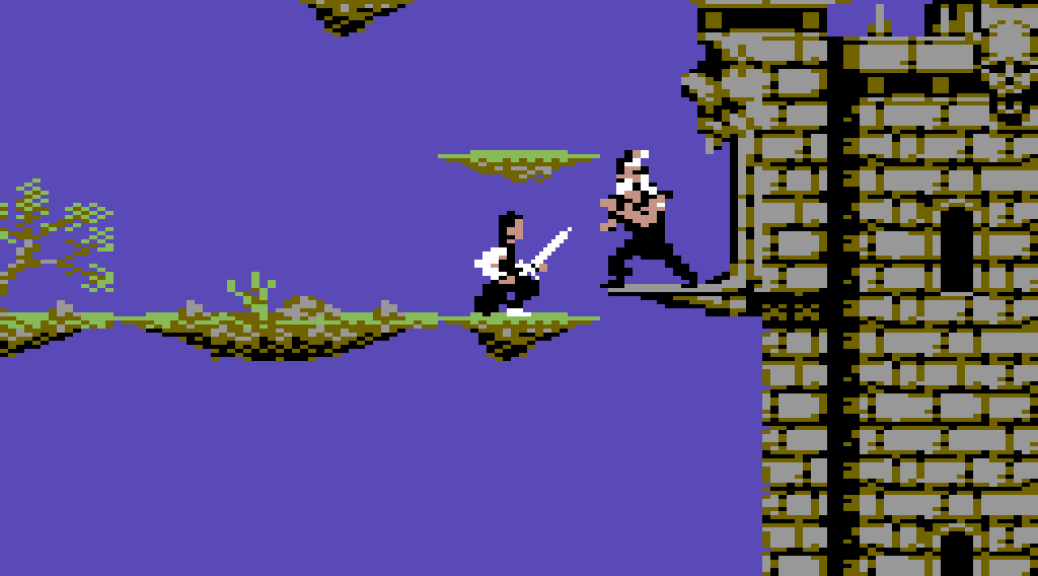
Myth: History in the Making, Commodore 64
First published for 8-bit home computers in 1989, Myth: History in the Making is an action platform game in which you play a teenage boy from the 20th century who has been transported to “The Time of Legends” after falling through a tear in the space-time continuum. There he is rescued by a high priestess who informs him that their world is under attack from Dameron, The Dark Angel of Time, and who must be destroyed if he has any hope of returning to his own time.
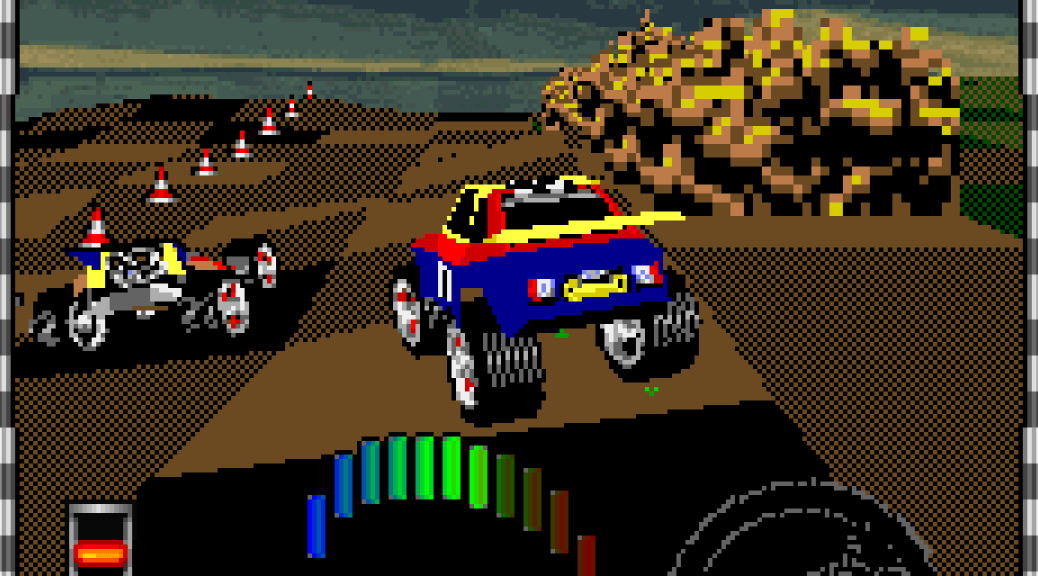
Dirt Racer, Super Nintendo
Dirt Racer is a racing game for the Super Nintendo that uses the Super FX chip to render the 3D graphics, and it has the distinction of being by far the worst game to use Argonaut‘s famous co-processor. The game was developed by Motivetime and published by Elite Systems in 1995.

Doom, Super Nintendo
The Super Nintendo conversion of id Software‘s classic Doom was developed by Sculptured Software and published by Williams Electronics in 1995. It uses the Super FX chip to help render the 3D graphics, but in truth: even with the extra processing power it’s a pretty poor effort.

Vortex, Super Nintendo
Vortex is a 3D shoot ’em up developed by Argonaut Software and published by Electro Brain in North America, Sony in Europe, and Pack-In-Video in Japan in 1994. It is one of the few games (other than Star Fox, Stunt Race FX, Yoshi’s Island, Doom, Dirt Trax FX, Winter Gold, and Star Fox 2) to use the Super FX co-processor chip to allow for faster 3D graphics than the vanilla SNES is capable of.
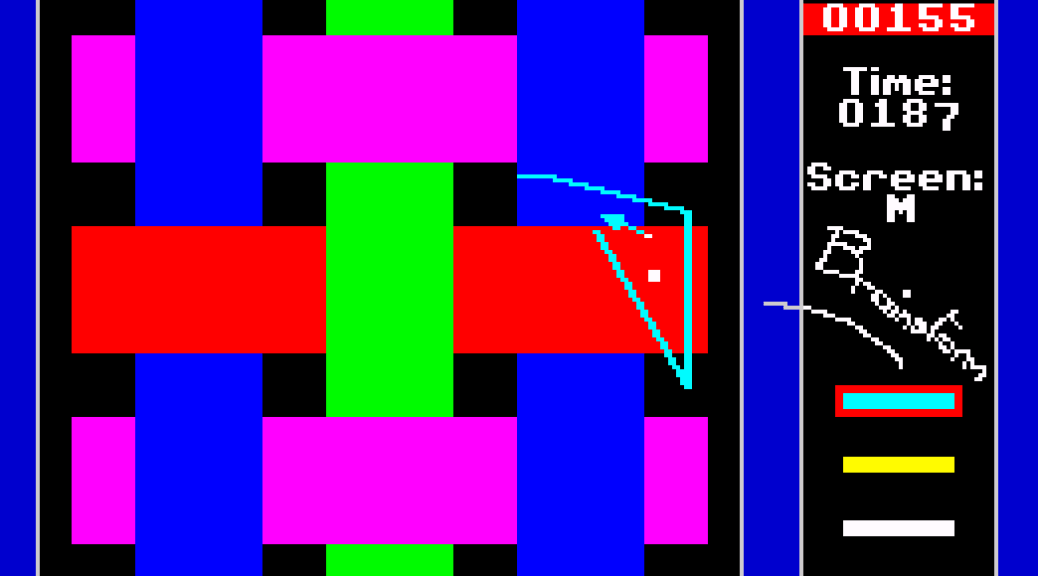
Brainstorm, ZX Spectrum
Written by Pete Cooke and published by Firebird (as a £1.99 budget game) in 1987, Brainstorm is a clever puzzle/strategy game where the aim is to draw lines using a pointer in order to make a bouncing ball travel over coloured sections of the screen, to accumulate points.

Spellbound, ZX Spectrum
Not the excellent David Jones Magic Knight adventure game from Mastertronic Added Dimension, but the atrocious Q*Bert clone from Beyond Software.
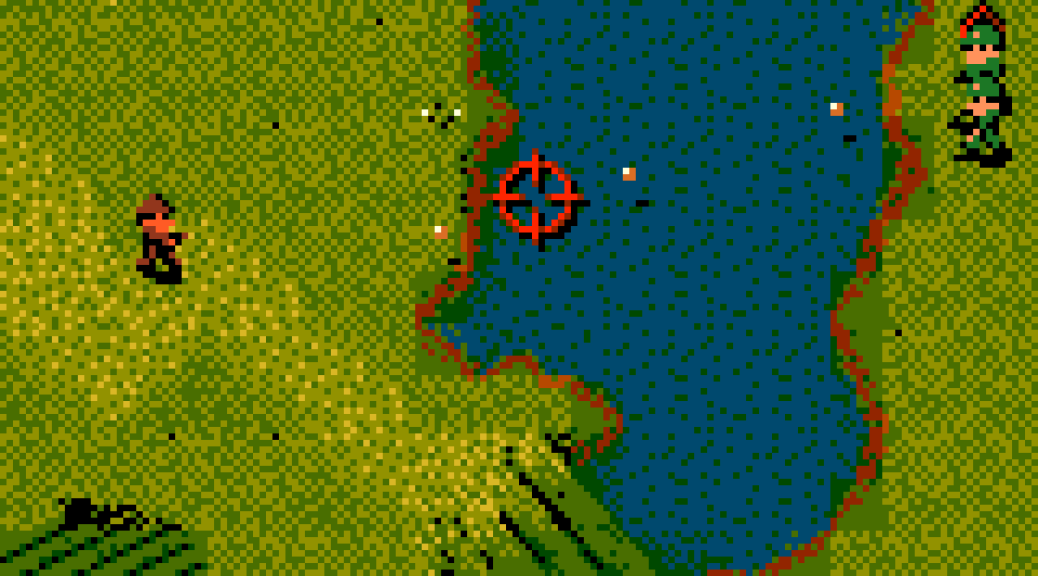
Cannon Fodder, Game Boy Color
Believe it or not: Sensible Software‘s classic Amiga game, Cannon Fodder, was also released for the Game Boy Color, and it’s actually not a bad game at all. It was developed by Sensible Software themselves – so is very authentic to the original – and was published by Codemasters in 2000.

Galaga: Destination Earth, PlayStation
Galaga: Destination Earth is a modern re-imagining of the classic Namco arcade game, Galaga, developed by British studio King of the Jungle and published by Hasbro Interactive for the PlayStation and Windows in 2000.

Rocket Roger, Commodore 64
Rocket Roger is a scrolling action game written by Steve Evans and published by Alligata Software in 1984. In it you control the titular Roger who must fly around using a jet pack and collect crystals from a series of underground caves. The crystals are needed to power your spaceship and you need to collect 99 of them to escape the planet.
 The King of Grabs