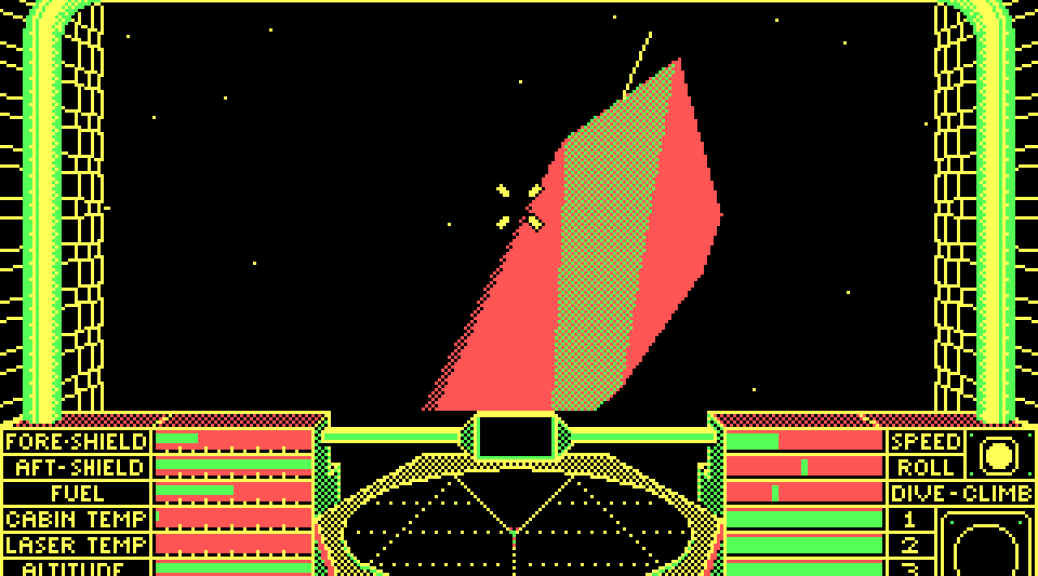
This is the original MS-DOS CGA version of Elite, written by Andrew Onions of Realtime Games and published by Firebird in 1987.
Not to be confused with the even better Elite Plus, which came later and is a different game entirely.
Three-dimensional graphics, usually constructed of polygons. Not two-dimensional.
This is the original MS-DOS CGA version of Elite, written by Andrew Onions of Realtime Games and published by Firebird in 1987.
Not to be confused with the even better Elite Plus, which came later and is a different game entirely.
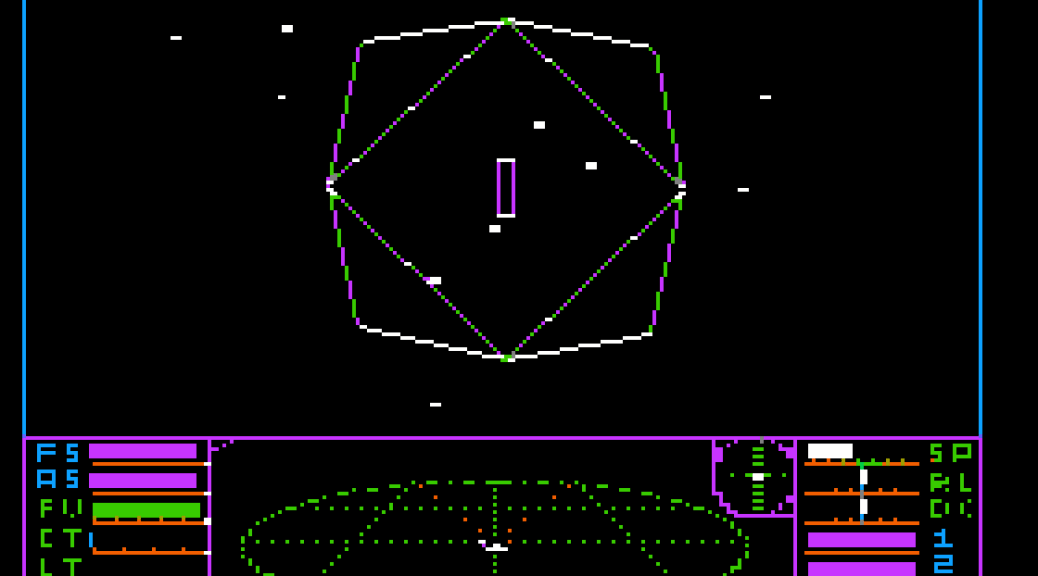
The Apple II conversion of Elite is arguably the slowest and ugliest of all the versions available. And that – I think – is me being charitable to it…
Ian Bell himself programmed this conversion of Elite in 1986, so its authenticity cannot be called into question and I shouldn’t really mock it.
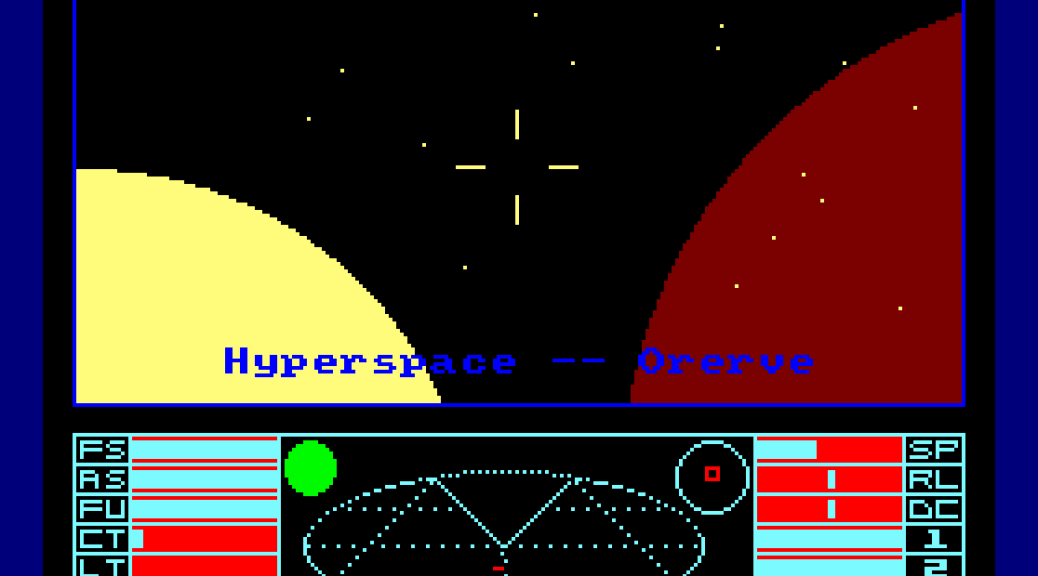
The Amstrad CPC version of Elite (released in 1986) is a fine program – even though the play window is smaller than those seen in other versions.
The ZX Spectrum version of Elite was developed by Torus and published by Firebird in 1985. There were 48K and 128K versions made available and both are excellent.
Elite on the Commodore 64 is slow and flickery (just like the BBC original in fact) but at its core is a fantastic game that refuses to be ruined by the C64‘s limitations.
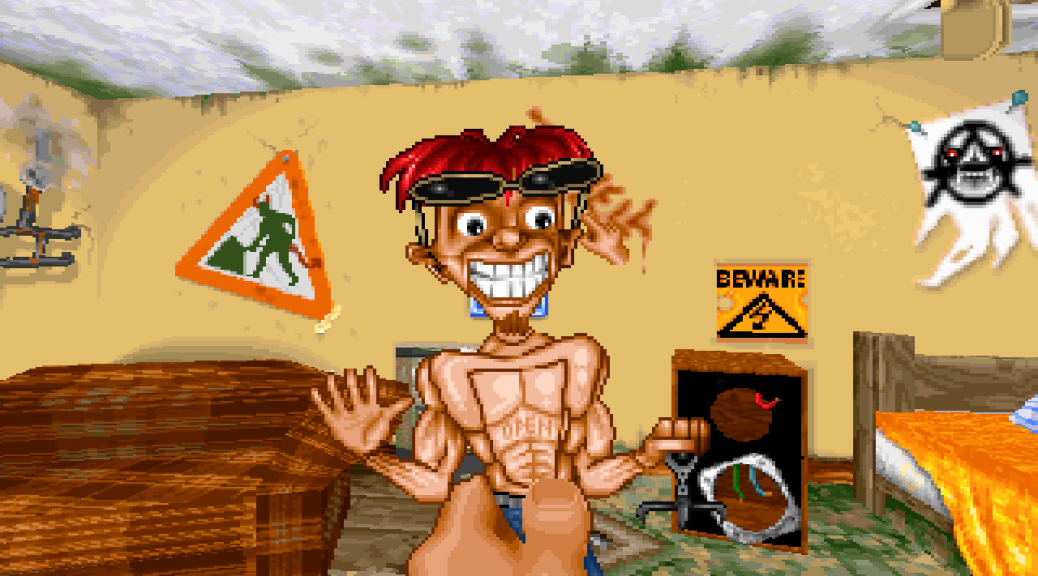
A weird mix of 3D exploration and point-and-click adventure, Normality was developed and published by Gremlin Interactive in 1996.
In some respects Normality is the predecessor to Realms of the Haunting – a 1997 release from Gremlin. Both games use the same game engine, and gameplay-wise they also share a lot of similarities.
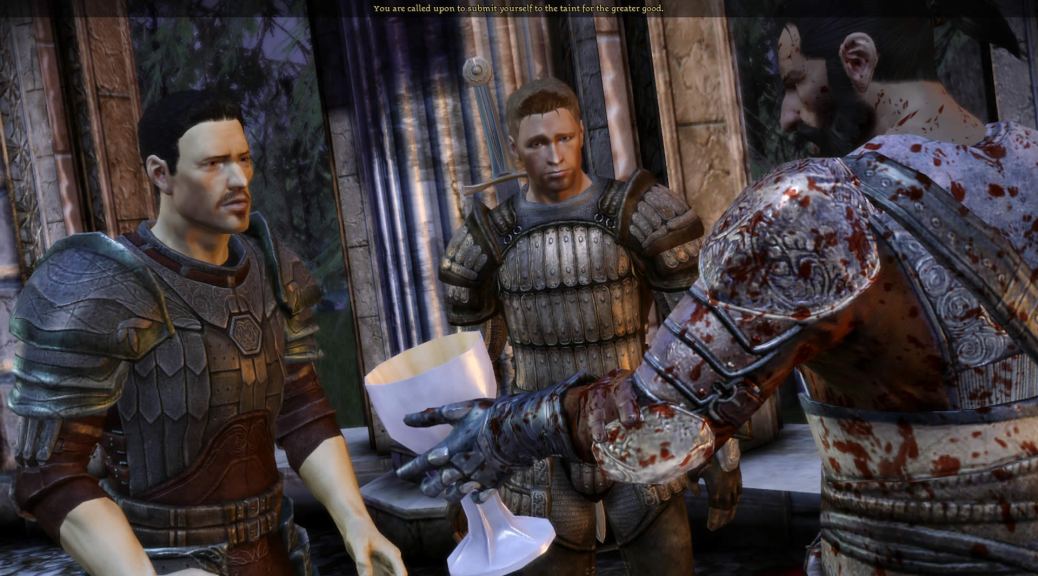
Developed by BioWare and published by Electronic Arts in 2009, Dragon Age: Origins is a hardcore, third-person Role-Playing Game in the style of Knights of the Old Republic (also developed by BioWare), Vampire: the Masquerade – Redemption, and Neverwinter Nights.
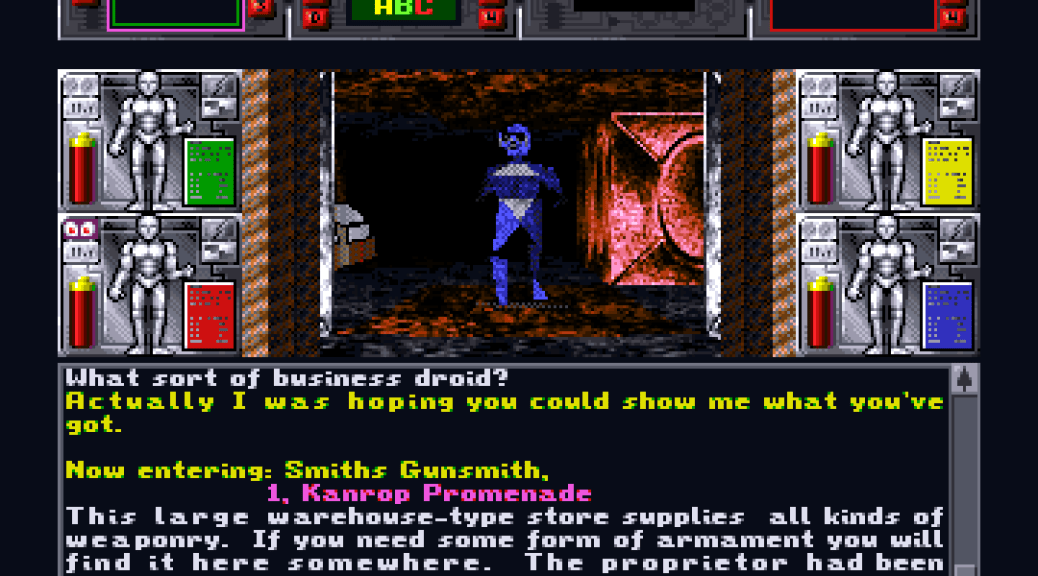
Tony Crowther‘s 1993 sequel to the classic Captive, Liberation: Captive 2 is a first-person action/RPG where you control a team of robots trying to rescue prisoners by looking for clues to their whereabouts, and by following leads to their location.
The spiritual successor to Goldeneye, Perfect Dark is a brilliant, 3D, first-person shooter developed by Rare and published by Nintendo in 2000.
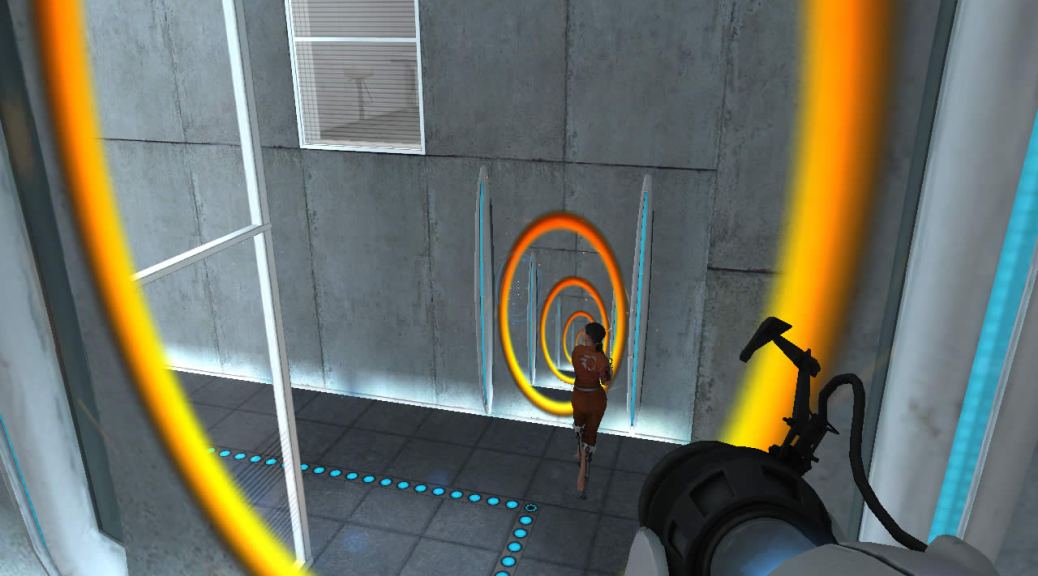
Portal is a legendary first-person puzzle/gravity game developed and published by Valve in 2007.
I say “gravity game” because Portal combines basic physics (acceleration, velocity, gravity, and inertia), with the ability to open up entry and exit portals, to create a game so beautifully simple-yet-complex that it is almost beyond belief…



 The King of Grabs