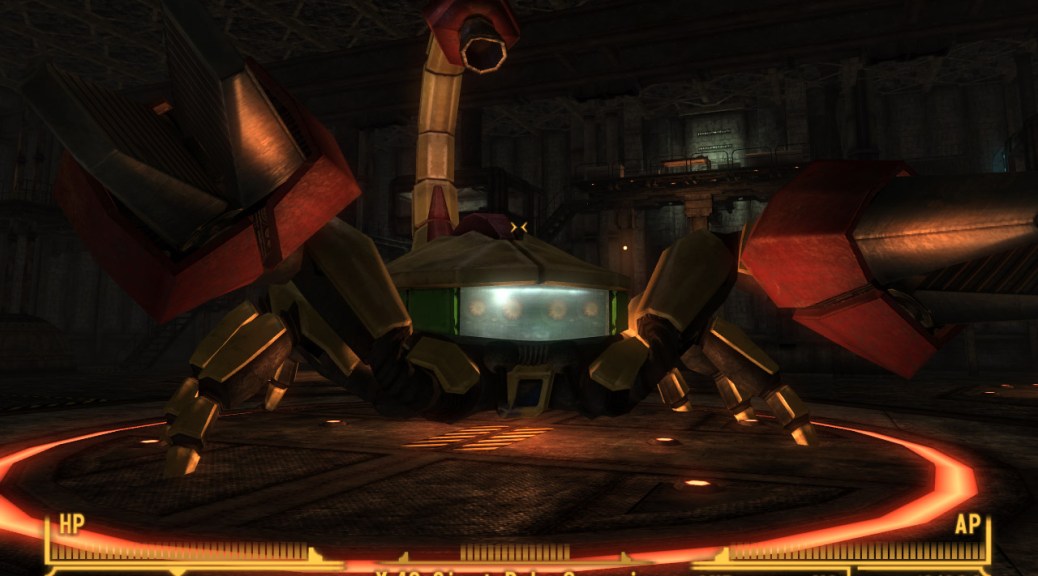
Old World Blues was the third story-based DLC to be released for Fallout: New Vegas and first came out on 19th July 2011. It is definitely the weirdest and funniest of the FNV DLCs and contains some hilarious dialogue, bizarre enemies, and strange settings, and it is considered by many Fallout: New Vegas players to be the best of the DLCs (I’d disagree, though – I think Dead Money is better).
Tag Archives: 3D graphics
Three-dimensional graphics, usually constructed of polygons. Not two-dimensional.
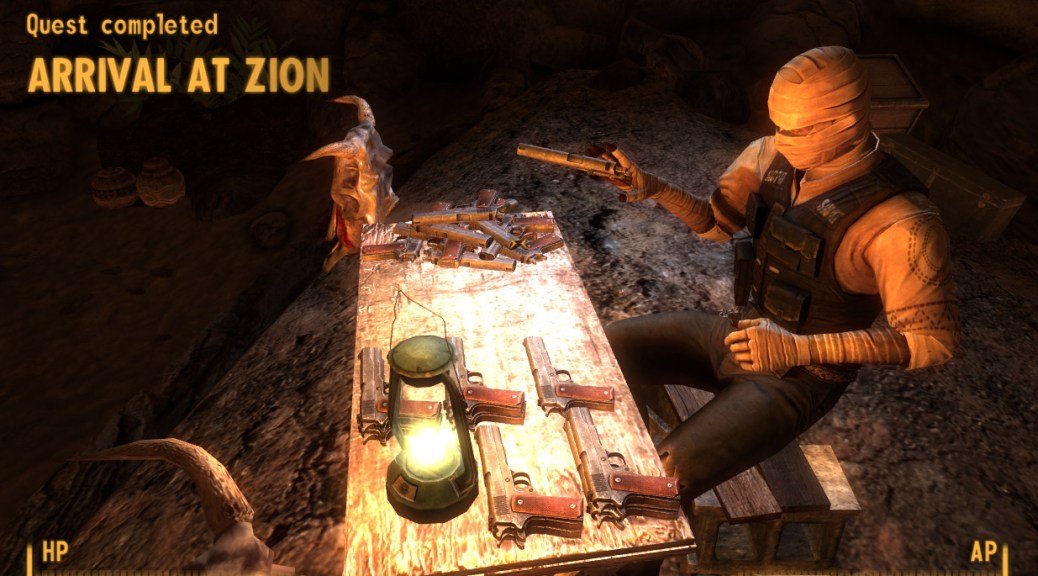
Fallout: New Vegas: Honest Hearts, PC
One of six DLCs released for Fallout: New Vegas, Honest Hearts was initially released in May 2011 and sees The Courier setting out on a trading expedition to Utah’s Zion National Park with the Happy Trails Caravan crew.

Fallout: New Vegas: Dead Money, PC
Dead Money is a DLC for Fallout: New Vegas that was first released in 2010 for the XBox 360, and later for PC and PlayStation 3 in 2011. It was one of six DLCs released for Fallout: New Vegas, and for my (dead) money it is by far the best.
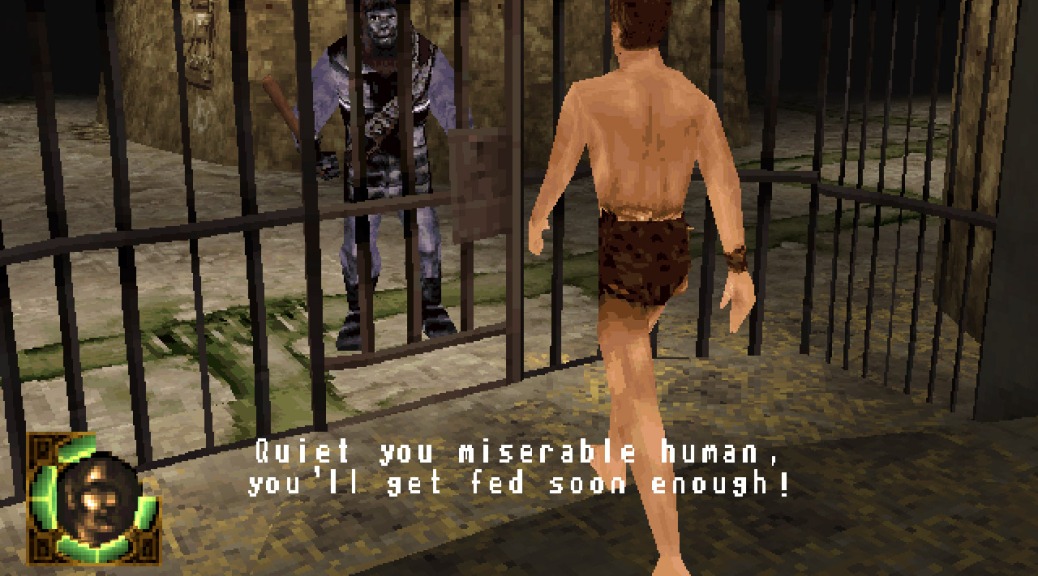
Planet of the Apes, PlayStation
The PlayStation version of Planet of the Apes was developed by French company Visiware and published by Ubisoft via Fox Interactive in 2002. The game was also released for Windows, and that version was released the previous year in 2001. It was actually the first video game ever to be based on the Planet of the Apes franchise. Although it is part of the same family of releases as the Game Boy Advance and Game Boy Color versions, it is a third-person 3D game and not a 2D platform game, like the handheld versions.
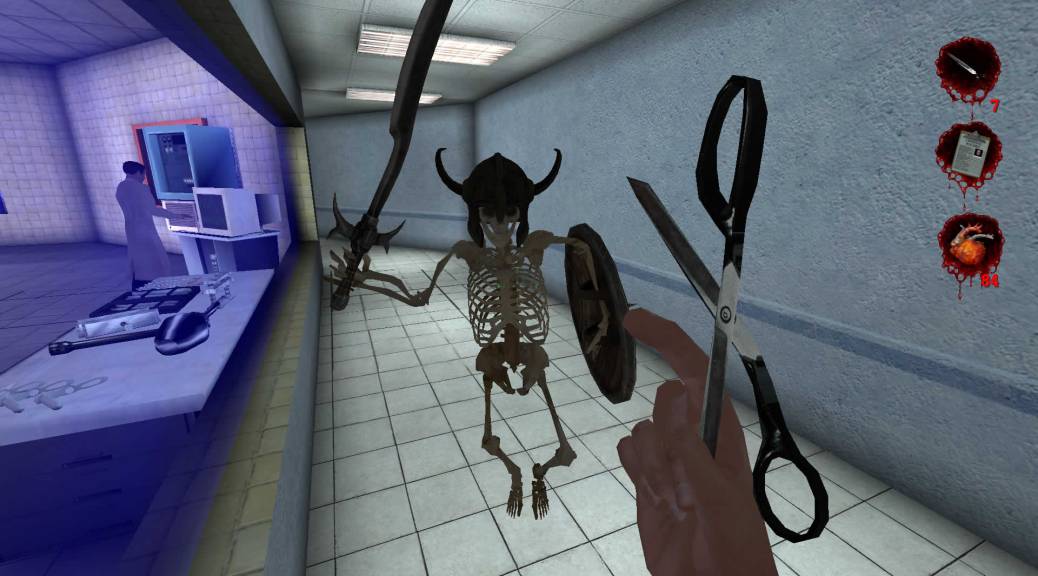
Postal 2, PC
This utterly reprehensible (but fun) first-person shooter was developed by Running With Scissors and first published by Whiptail Interactive in 2003. It is the sequel to 1997’s highly controversial Postal and takes the concept of “going postal” to another level of stupidity and mayhem. Postal 2 is the kind of game that was made to please “edgelords” (some would call them “w*nkers“) and piss off politically correct liberals, and it satirises people in a way that few other games have ever dared to.

Deus Ex: Mankind Divided, PC
Deus Ex: Mankind Divided is the fourth game in the Deus Ex series and a direct sequel to Deus Ex: Human Revolution. It was developed by Eidos-Montréal and published by Square Enix Europe in 2016. You once again play as augmented super-spy Adam Jensen and the story is set two years after Human Revolution.
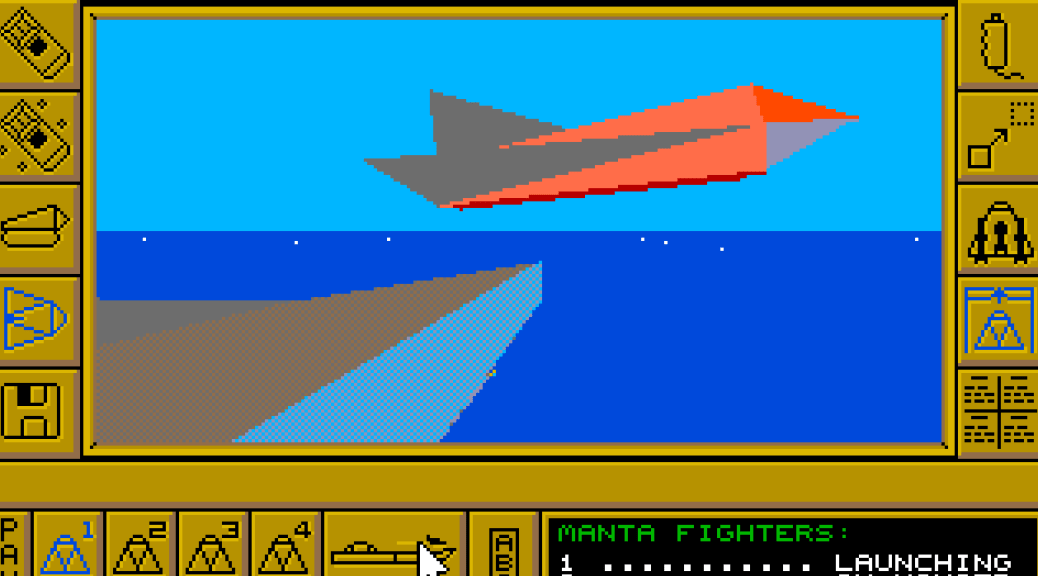
Carrier Command, Amiga
Realtime Software‘s classic Carrier Command is an early real-time strategy game that first came out for the Amiga and Atari ST in 1988 through Rainbird. In it you control a futuristic aircraft carrier battling for domination of a group of islands with an AI-controlled enemy carrier.

Silent Hill: Homecoming, PC
Silent Hill: Homecoming was developed by American company Double Helix Games and published by Konami in 2008. It was released for PlayStation 3, XBox 360 and Windows and is the sixth instalment in the Silent Hill series.

Silent Hill: Origins, PlayStation 2
Silent Hill: Origins – the fifth part of the Silent Hill series – was developed by British company Climax Action (with the help of some outsourcing), and not Konami, so was the first Silent Hill game not developed in Japan. It was initially released for the PlayStation Portable in 2007 and this PlayStation 2 port followed later, in 2008.

Silent Hill: Origins, PSP
Silent Hill: Origins is the fifth instalment of the Silent Hill series and the first Silent Hill game not developed in Japan. This game, known as Silent Hill Zero in Japan, is a prequel to the first Silent Hill and was developed by Climax Action and first published for the PlayStation Portable by Konami in 2007.

