
The 1987 Amstrad CPC conversion of Leaderboard was developed by Canvas – the same team who made the ZX Spectrum version. And – in truth – it’s definitely the worst version of Leaderboard available, falling massively short of the Commodore 64 original.
Category Archives: Amstrad CPC

Nosferatu the Vampyre, Amstrad CPC
This Amstrad CPC conversion of the classic ZX Spectrum game definitely benefits from having better use of colour than the original. It also runs a little faster than the Speccy version, which makes it slightly more playable.

Ghostbusters, Amstrad CPC
The Amstrad CPC version of Ghostbusters was only ever released in Europe. Alongside the MSX version it was one of only two Ghostbusters conversions that were never released in North America.
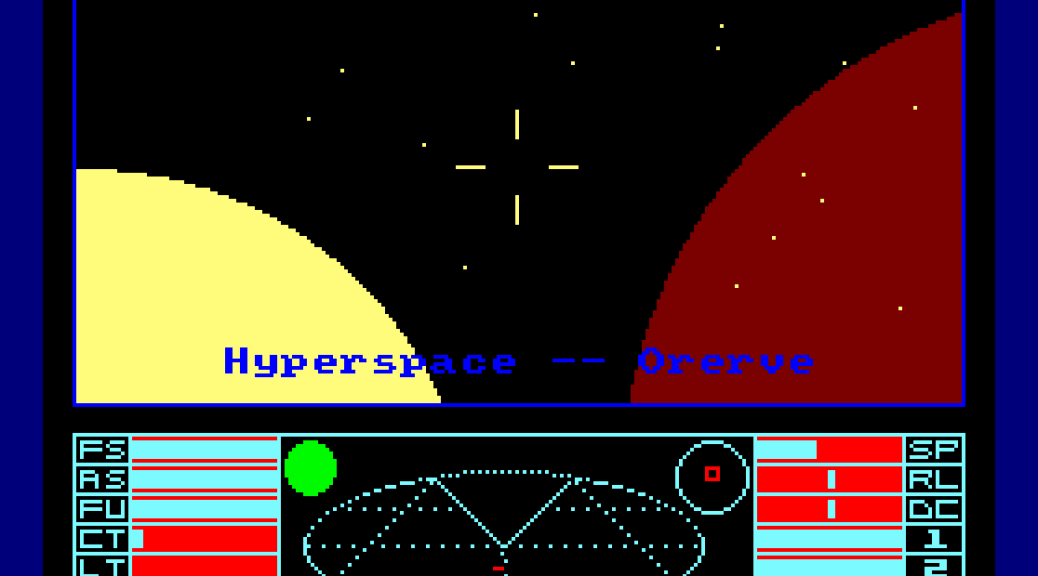
Elite, Amstrad CPC
The Amstrad CPC version of Elite (released in 1986) is a fine program – even though the play window is smaller than those seen in other versions.
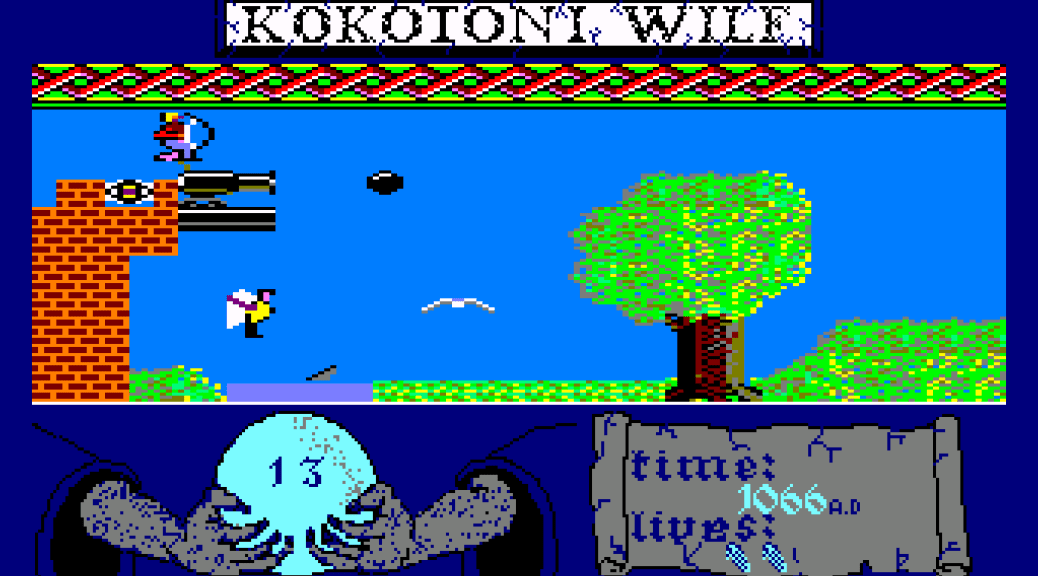
Kokotoni Wilf, Amstrad CPC
Compared to the Spectrum original, Amstrad Kokotoni Wilf is pretty ugly. The developers have chosen a dark blue background with green caves, and the odd splash of colour in the (very flickery) sprites and landscape decorations. The graphics are very poor in my opinion.
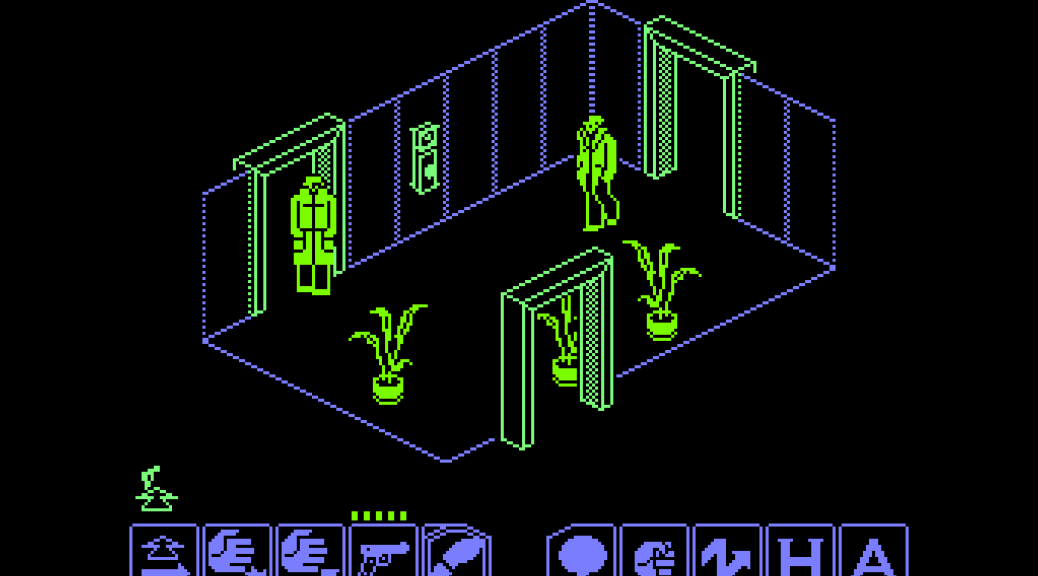
Movie, Amstrad CPC
Duško Dimitrijevic ‘s brilliant isometric adventure, Movie, translates exceptionally well to the Amstrad CPC, as can be seen from these screenshots.

Inside Outing, Amstrad CPC
Inside Outing is an interesting isometric action/adventure game initially published by The Edge in 1988. It was designed by Michael St. Aubyn and converted to a number of different platforms, with this Amstrad version being the original.
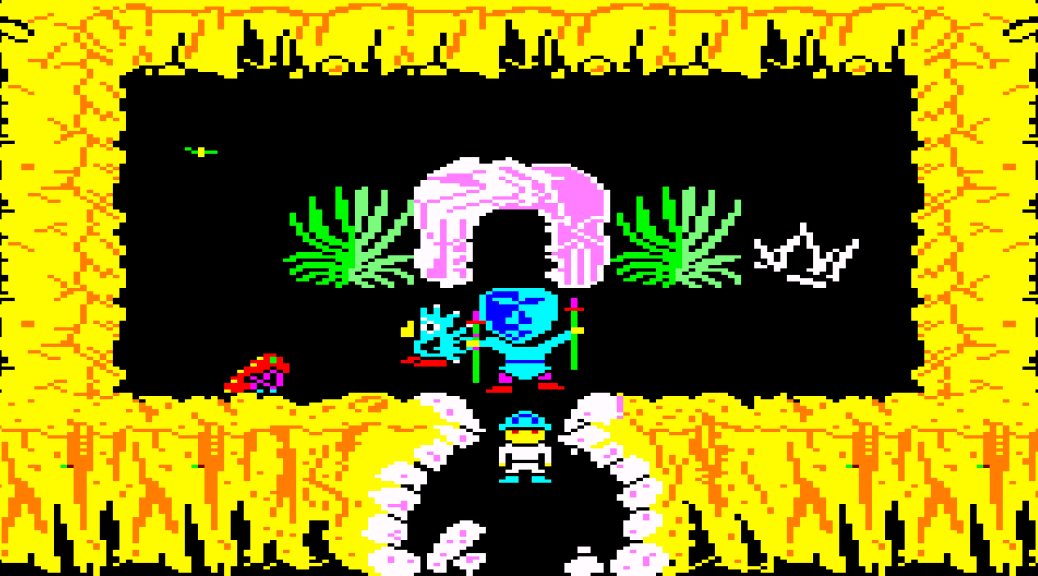
Sabre Wulf, Amstrad CPC
The Amstrad conversion of Sabre Wulf features the same chunky graphics as the BBC version, except with some extra colouring. It does make make a difference though. The Amstrad version doesn’t look quite as harsh as the BBC version.

Prince of Persia, Amstrad CPC
Developed in 1990 by Brøderbund France, the Amstrad CPC conversion of Prince of Persia is a decent interpretation of Jordan Mechner‘s classic platform game.
Graphically, the Amstrad version is very good. It is arguably the best-looking out of all the 8-bit versions.

Manic Miner, Amstrad CPC
The excellent Amstrad CPC version of Manic Miner was first released by Software Projects in 1984.
It is very close to the ZX Spectrum original in almost every respect, barring the fact that the colours are slightly less vivid and the play window is slightly smaller. Oh, and the last level is different – like an expanded (and more difficult) version of the last screen in the Speccy original.

