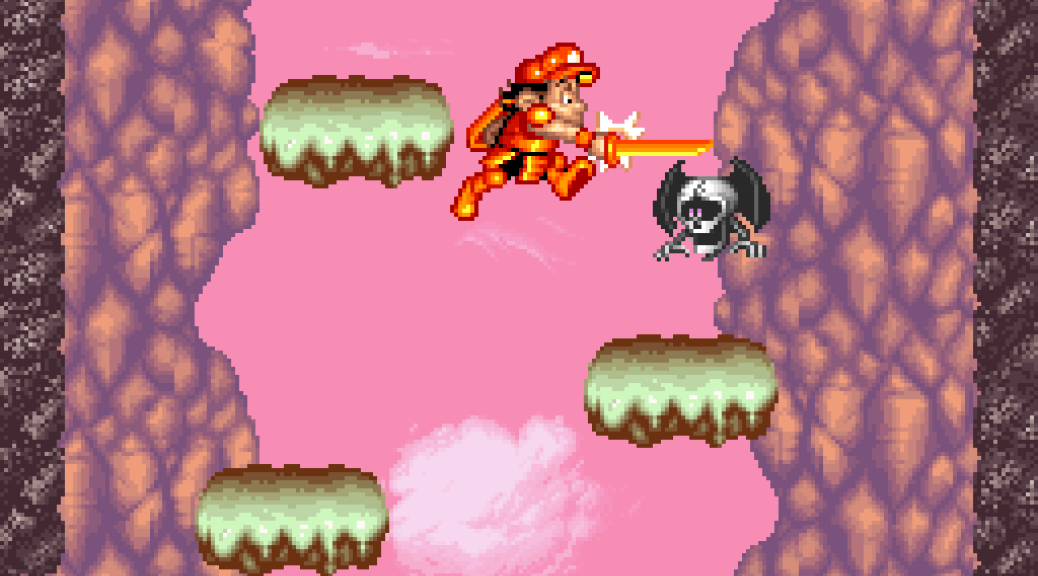
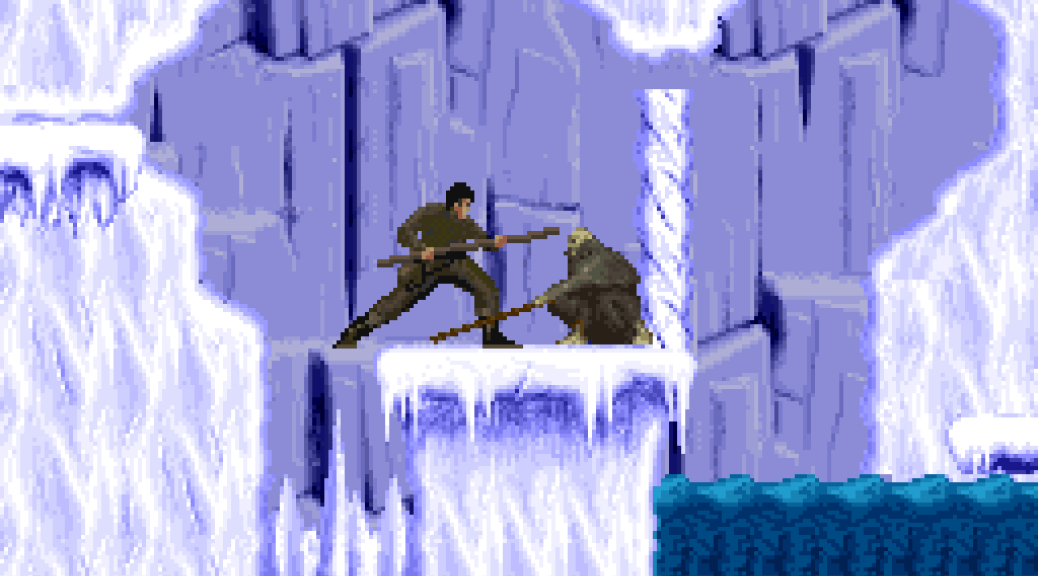
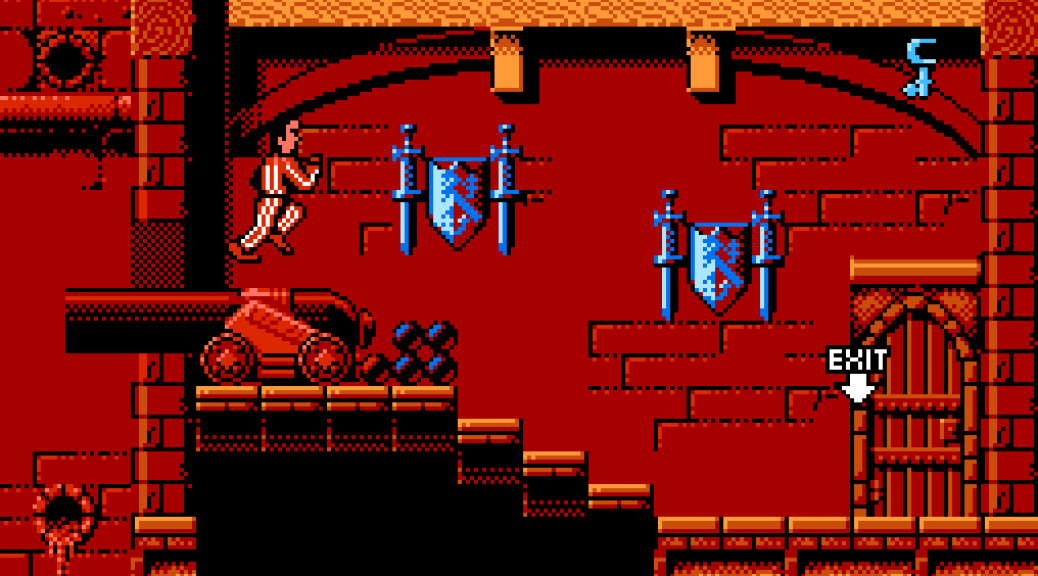
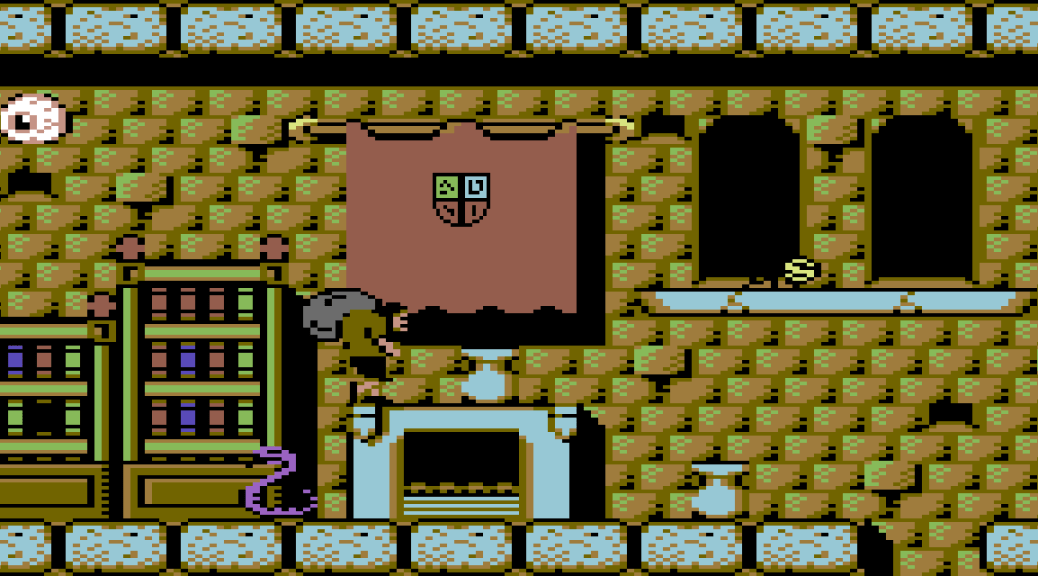
The first Duke Nukem game is a simple side-scrolling platform shooter, developed and published for PC MS-DOS by Apogee Software in 1991.
Tag Archives: traps
Eye of the Beholder II: The Legend of Darkmoon, Amiga
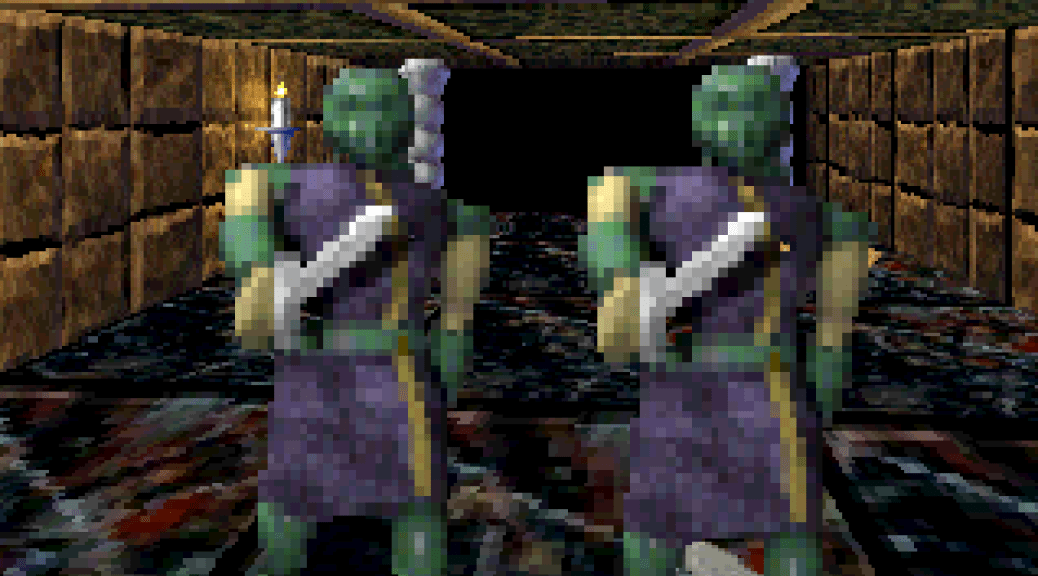
Eye of the Beholder II: The Legend of Darkmoon was once again developed by Westwood Studios (aka Westwood Associates) and first published by Strategic Simulations, Inc. in 1992. It is the sequel to the classic Eye of the Beholder, which came out the previous year.
Continue reading Eye of the Beholder II: The Legend of Darkmoon, Amiga
Eye of the Beholder, Amiga
Eye of the Beholder for the Amiga was developed by Westwood Studios and first published by SSI in 1991. I believe it came out at the same time as the MS-DOS version, so is one of the original versions. And it truly is a brilliant game.
Ultima I: The First Age of Darkness, PC
The first game in the Ultima series was initially released for the Apple II in 1981 by California Pacific Computer and was later completely re-coded and re-named as “Ultima I: The First Age of Darkness” for a re-release through Origin Systems. The 1987 MS-DOS re-code – shown here – is still available to buy as part of an Ultima 1+2+3 package on GOG.com (at the time of writing).
Ultima I: The First Age of Darkness, Commodore 64
Although the first Ultima game was an Apple II original, the Commodore 64 version of this early RPG is arguably the best-known. Re-made and released in 1986, the C64 version of Ultima [one] features colourful graphics and absorbing gameplay that is pretty much identical to the Apple II remake.
Continue reading Ultima I: The First Age of Darkness, Commodore 64
Ultima I: The First Age of Darkness, Apple II
This first game in Richard Garriott‘s Ultima series was initially released for the Apple II in 1981 by California Pacific Computer and was originally called just “Ultima“. It was later re-named as “Ultima I: The First Age of Darkness” when it was re-made and re-released by Origin Systems in 1986. This 1986 re-code features improved graphics and gameplay, with a number of significant changes made to bring the game up-to-date with market conditions in the mid 1980s, and that is the version I’m featuring here. If you want to see the original 1981 version (and an explanation of how to play the game), click here.
Continue reading Ultima I: The First Age of Darkness, Apple II
Ultima, Atari 8-Bit
Released in 1983 by Sierra On-Line, Ultima on the Atari 8-bit is more archaic and frustrating than the original Apple II version. And it looks pretty awful too, with a real lack of colour – especially in towns where the game is in monochrome unless you play on a machine (and monitor) that supports “artifacting“. In artifacting mode the dungeon and town graphics look similar to Apple II graphics, but they don’t really take advantage of the Atari‘s superior graphics capabilities.
Ultima, Apple II
The original 1981 Apple II version of Richard Garriott‘s Ultima was the first version of Ultima ever released. It was published by California Pacific Computer and is a stripped-down version of the more widespread re-release version put out by Origin Systems in 1986 (which can be seen here).
Rastan, ZX Spectrum
This ZX Spectrum conversion of the 1987 scrolling hack and slash arcade game from Taito was developed by Icon Design and published by Imagine Software in 1988. And it’s not bad, but it’s not great either.
Super Hunchback, Game Boy
Developed by Ocean Software and first published in 1992, Super Hunchback is a sequel to the Hunchback games that were successful in the mid 1980s (which were all based on the arcade game, Hunchback, by Century Electronics).