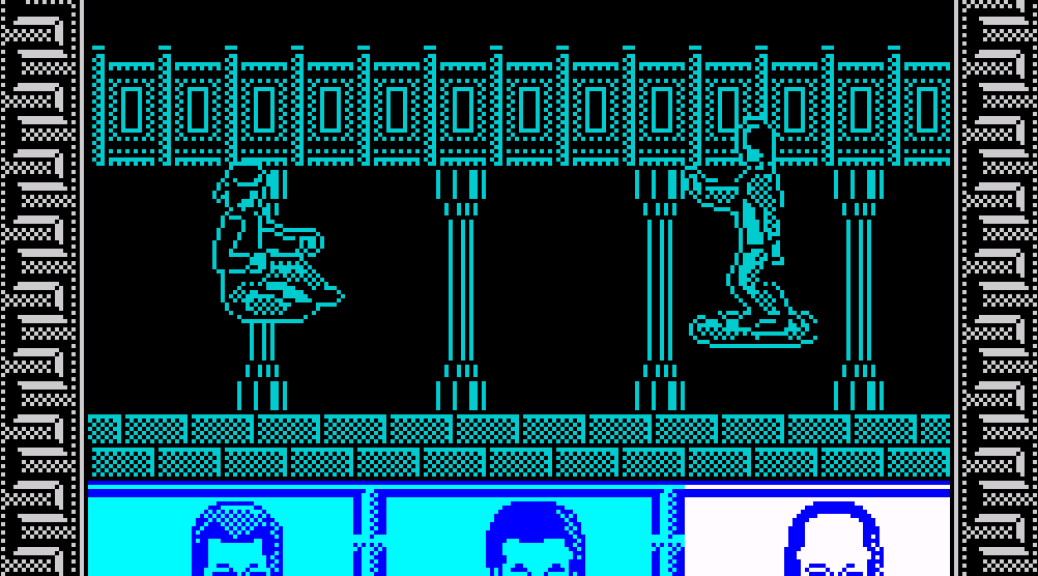
The ZX Spectrum version of Electric Dreams‘ Big Trouble in Little China was the first released, coming out the same year as John Carpenter‘s famous film, in 1986. The Amstrad CPC and Commodore 64 versions followed later, in 1987.
Tag Archives: Single-Player

Commando, ZX Spectrum
The ZX Spectrum version of Capcom‘s Commando was programmed by Keith Burkhill and Nigel Alderton, with graphics by Karen Trueman and Rory Green. It was first published by Elite Systems in 1985.

Toki, Atari ST
The Atari ST version of the 1989 arcade platform game, Toki, was developed and published by Ocean Software in 1991. And it is a decent adaptation of the arcade game, but with a reduced colour palette and screen size.

Turbo, Arcade
Sega‘s 1981 arcade racer, Turbo, was designed and programmed by Steve Hanawa and was manufactured in three formats: a standard, full-sized upright cabinet, a mini cabinet, and a deluxe, seated cockpit cabinet. All three versions had a steering wheel, a gear lever with high and low gears, and an accelerator pedal.

Super Asteroids & Missile Command, Atari Lynx
Super Asteroids & Missile Command are a pair of conversions of two classic Atari arcade games – Asteroids and Missile Command – squeezed onto one cartridge and released for the Atari Lynx in 1995. These two games were apparently the very last to be released for the Atari Lynx.
Continue reading Super Asteroids & Missile Command, Atari Lynx

Heartland, ZX Spectrum
Heartland is a platform action game developed and published by Odin Computer Graphics for the 48K ZX Spectrum in 1986. It features gameplay that is similar to previous Odin games, Nodes of Yesod and Arc of Yesod, with a well-animated protagonist exploring a maze-like platform world of doors and elevators.
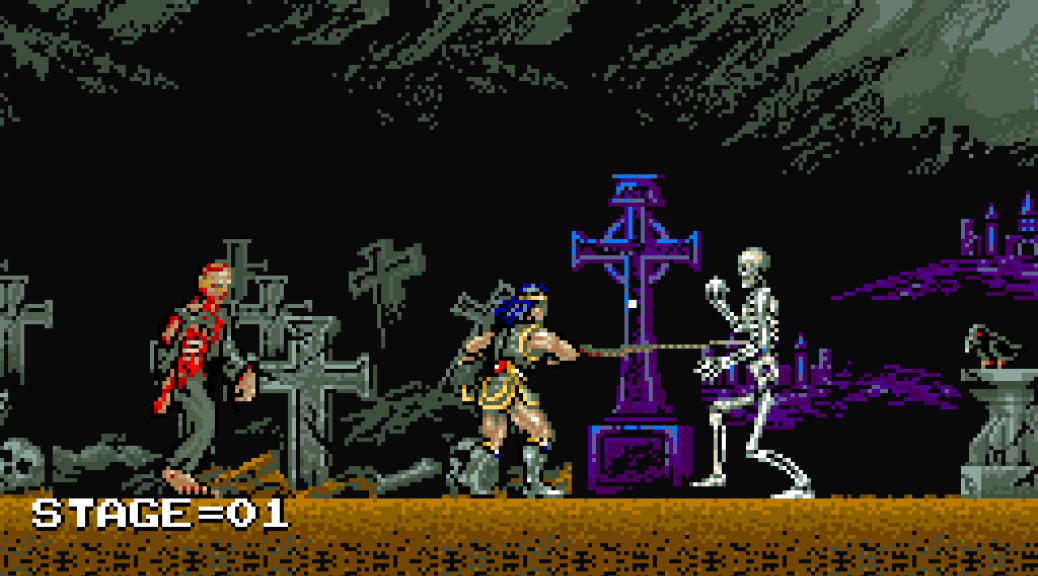
Haunted Castle, Arcade
Haunted Castle is an obscure Castlevania arcade game, developed by Konami and first released in 1988. Until recently, I’d never seen it before, and playing it now I have to say that it is pretty unsophisticated for a late Eighties arcade game, and it pales into insignificance compared to other Castlevania games, like Super Castlevania IV or Castlevania: Symphony of the Night. It’s also insanely difficult. Maybe unfairly so.
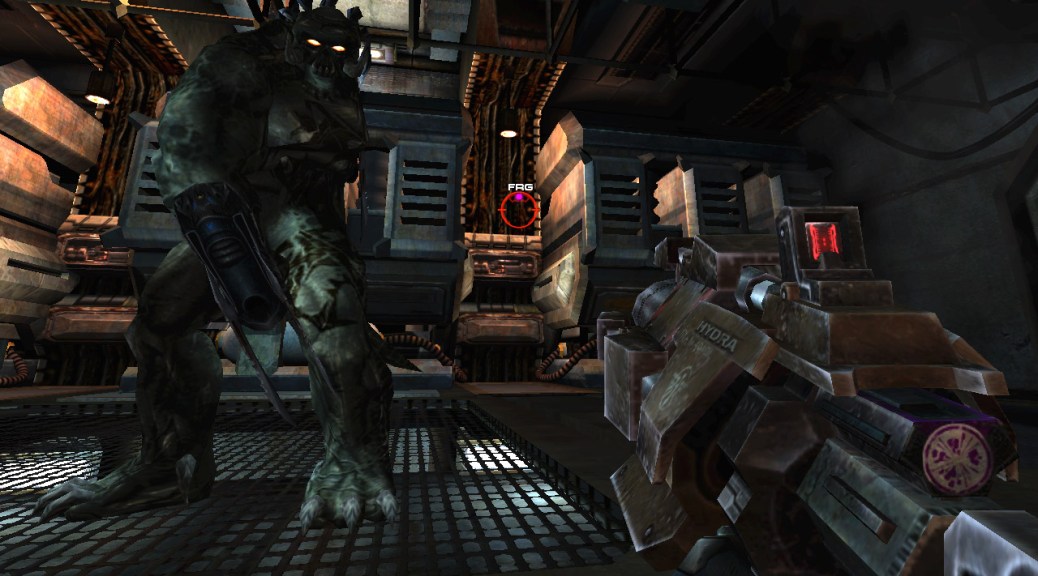
Unreal II: The Awakening, PC
Unreal II: The Awakening is the sequel to Unreal and was developed by Legend Entertainment and published by Infogrames in 2003 under the Atari brand. It utilises Unreal Engine 2 and again features a single-player campaign, as well as multiplayer deathmatching.

Unreal Tournament, PC
Unreal Tournament is a famous, futuristic first-person shooter, developed by Epic Games and Digital Extremes and first published by GT Interactive in 1999. The game is powered by the first version of the Unreal Engine (which was created for Unreal) and it helped popularise arena-based, multiplayer deathmatching, alongside competitors such as Quake II and Quake III Arena.
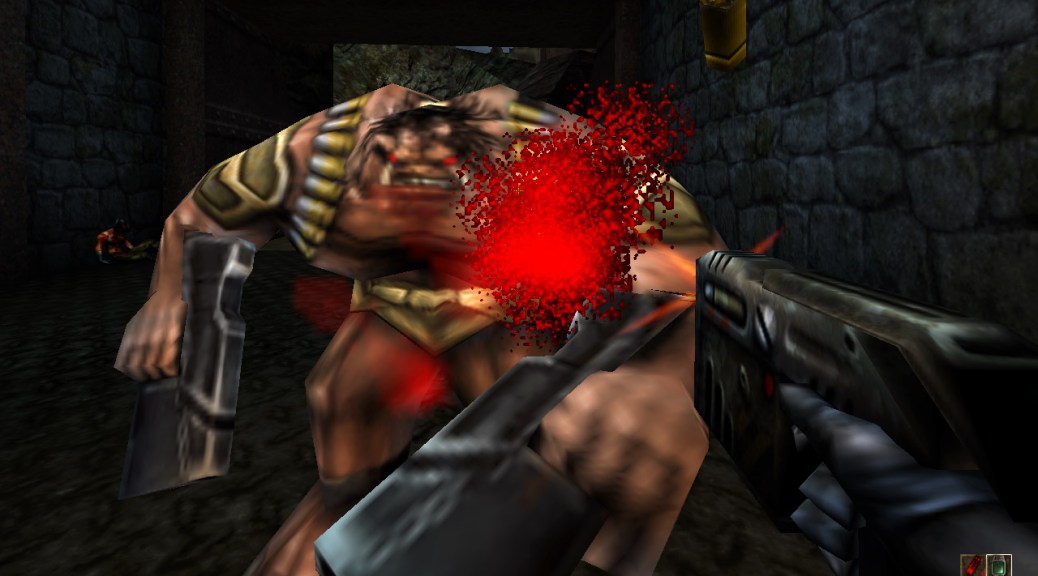
Unreal, PC
Unreal is a pioneering first-person shooter developed by Epic Games and Digital Extremes and first published by GT Interactive in 1998. It is the very first game in the Unreal series and was the first game to use the Unreal Engine, which was a ground-breaking 3D game engine at the time. Of course most gamers know about the Unreal Engine, and how it continues to innovate now, but this game is where Unreal first started.
 The King of Grabs