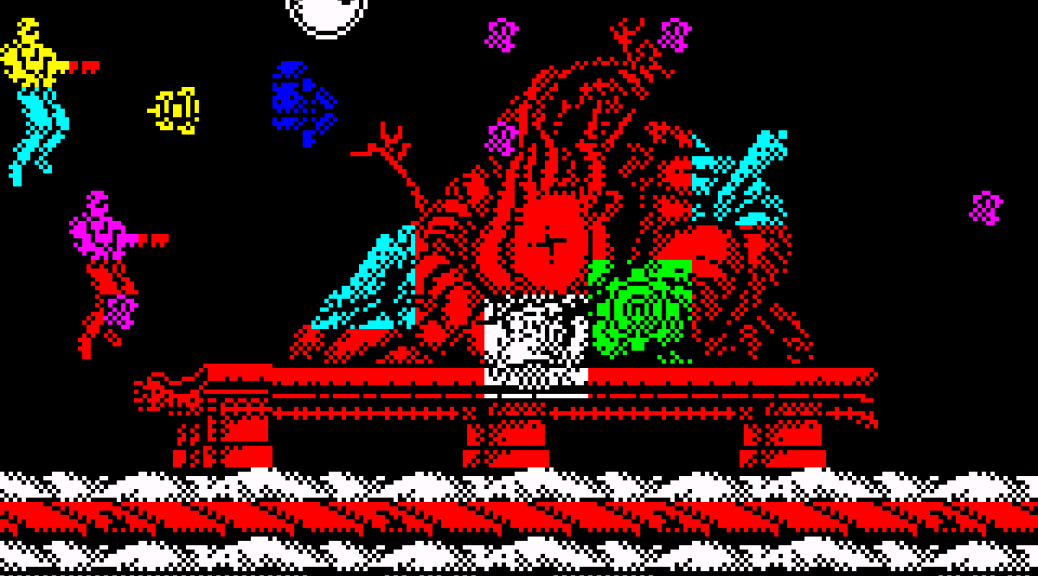
Created by Arc Developments and published by US Gold in 1989, the ZX Spectrum port of Capcom‘s side-scrolling arcade game is an excellent late-stage shooter that demonstrates the Spectrum punching well above its own weight.
Tag Archives: Pixel Art
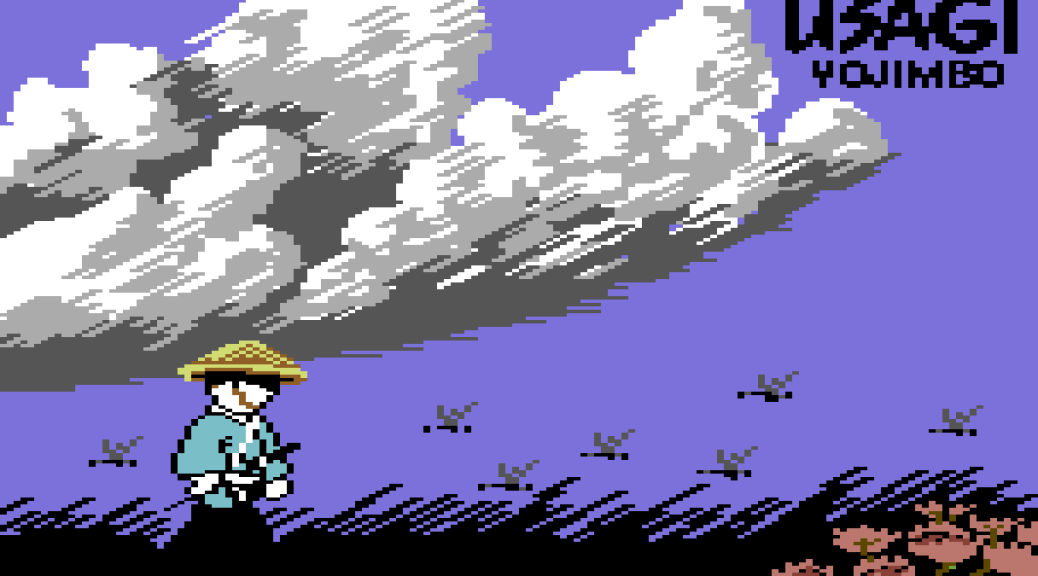
Usagi Yojimbo, Commodore 64
Also known by its more long-winded name: Samurai Warrior: The Battles of Usagi Yojimbo, this elegant fighting game was developed by Beam Software and first published by Firebird in 1988. Programming was by Doug Palmer; script was by Paul Kidd; graphics by Russel Comte, and music by Neil Brennan.
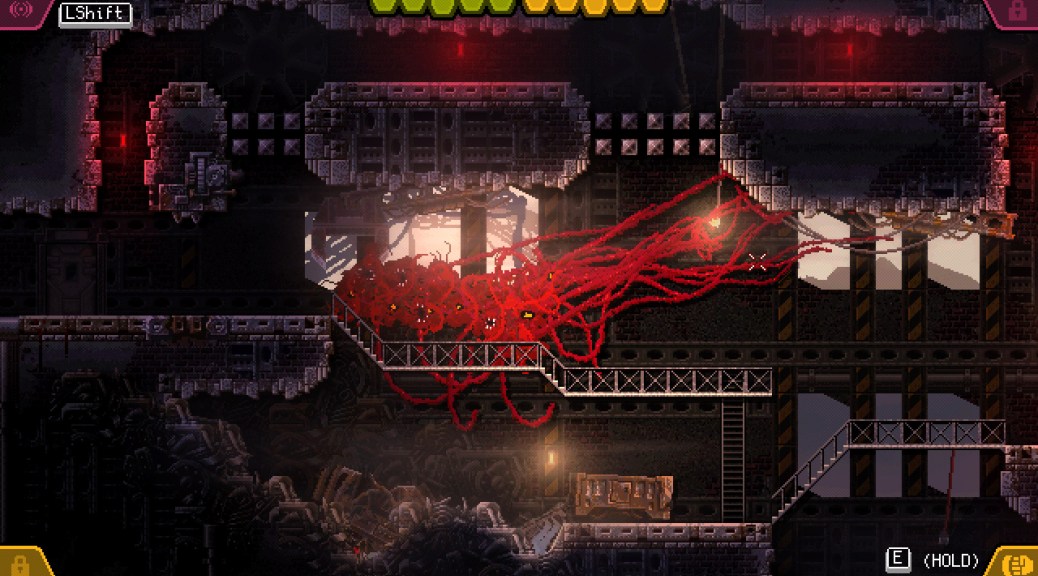
Carrion, PC
Carrion is a ‘reverse’ horror game, meaning that it puts you in the position of creating the horror, as a ‘monster’, killing humans. The humans, though, don’t seem like they’re up to much good, so MUST DIE AT YOUR HANDS… Or: your tentacles…
Carrion was developed by Phobia Game Studio and published by Devolver Digital, first releasing in July of 2020.

Sword of Mana, Game Boy Advance
Sword of Mana on the Game Boy Advance is an enhanced remake of the first Seiken Densetsu game, which was released as Final Fantasy Adventure on the original black and white Game Boy in English-speaking territories. It was developed by Square Enix and Brownie Brown and was first released as “Shinyaku: Seiken Densetsu” in Japan in 2003.

Castlevania Special
Konami‘s classic Castlevania series is a well-known and much-loved collection of horror-themed games that spans from 1986 to the present day, although some may feel that the series has been neglected in recent times.
Castlevania began its existence in the form of the Famicom Disk System game, Akumajō Dracula, and has undergone many iterations, across almost all video game systems, including in the arcades, on handhelds, and on home computers and consoles.
Here’s a list of all the official Castlevania games ever made. Plus a selection of some of the best fan-made games and hacks.
In celebration of a landmark video game series!

Legendary Wings, Arcade
Legendary Wings is an arcade game from Capcom, first released in 1986. It uses a loose interpretation of Greek mythology to style its visuals and gameplay.

Bomberman 64 (2001), Nintendo 64
Released in Japan only in 2001, Bomberman 64 (part deux; the second; version two) is very different to the 1997 N64 game of the same name. This game is entirely presented in 2D, with no 3D graphics in the game at all, and the package is a compendium of different single and multiplayer Bomberman games. The game was developed by Racjin for Hudson Soft. An English language fan translation is available for this title, which will please English-speaking Bomberman fans.
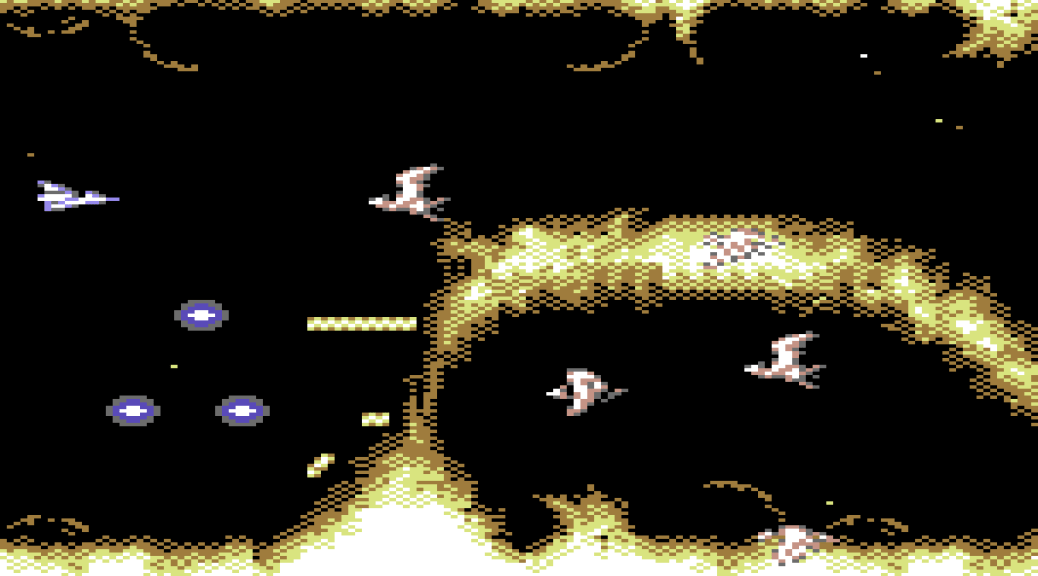
Salamander, Commodore 64
The Commodore 64 version of Konami‘s arcade hit, Salamander, was programmed by Peter Baron, with graphics by Bob Stevenson and music by Mark Cooksey. It was first published by Imagine Software in Europe in 1988, and Konami themselves in North America in 1989. It is considered by many to be the best 8-bit home computer version of Salamander, and it’s not difficult to see why…
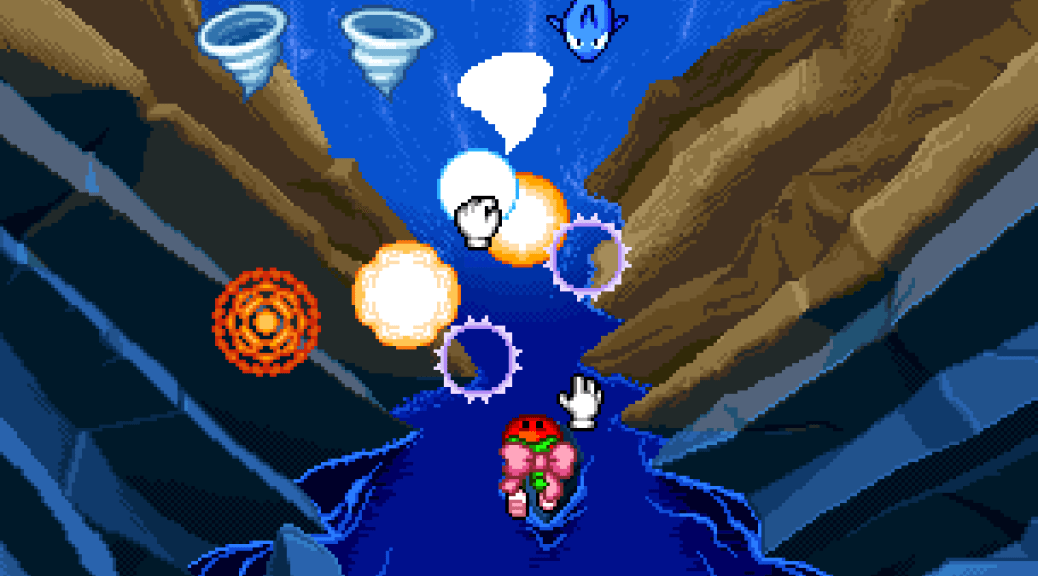
Captain Tomaday, Neo Geo
Released by Visco Corporation as a Neo Geo-based arcade game in 1999, Captain Tomaday is a one or simultaneous two-player shoot ’em up, featuring a cartoon tomato with bionic fists.

Super Street Fighter II Turbo Revival, Game Boy Advance
This exclusive Game Boy Advance remake of Street Fighter II Turbo was first released by Capcom in 2001, and it is arguably the best fighting game on the system.
Continue reading Super Street Fighter II Turbo Revival, Game Boy Advance
 The King of Grabs