
Released in Japan as Soul Blader, Soul Blazer is a 1992 Super Nintendo release from Enix and it takes the form of an overhead, Zelda-style adventure.
Tag Archives: Monsters
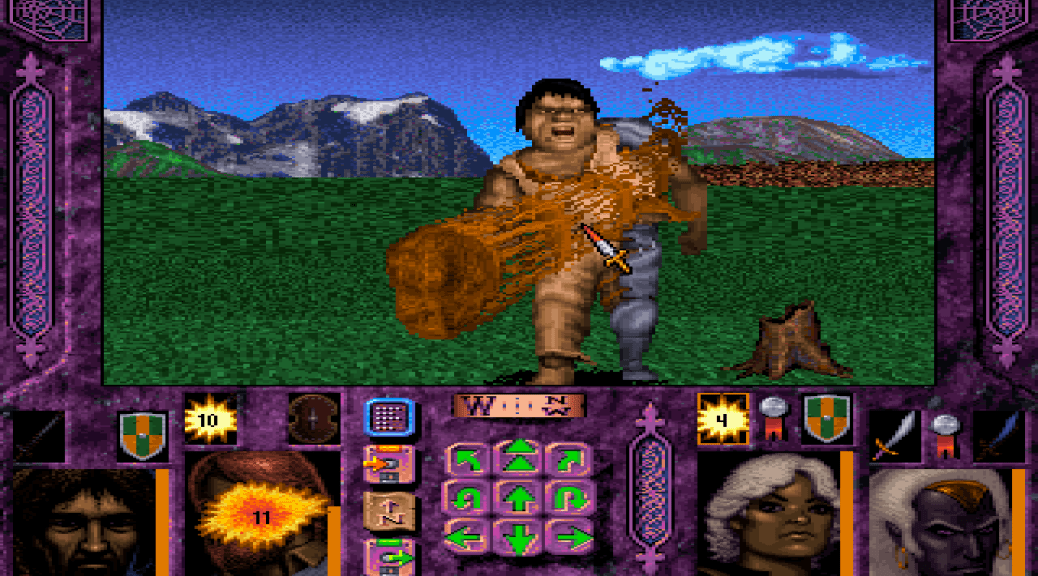
Menzoberranzan, PC
An RPG with a funny name, based on the AD&D Forgotten Realms campaign setting, Menzoberranzan is a 1994, first-person, party-based adventure game developed by DreamForge Intertainment for Strategic Simulations Inc.
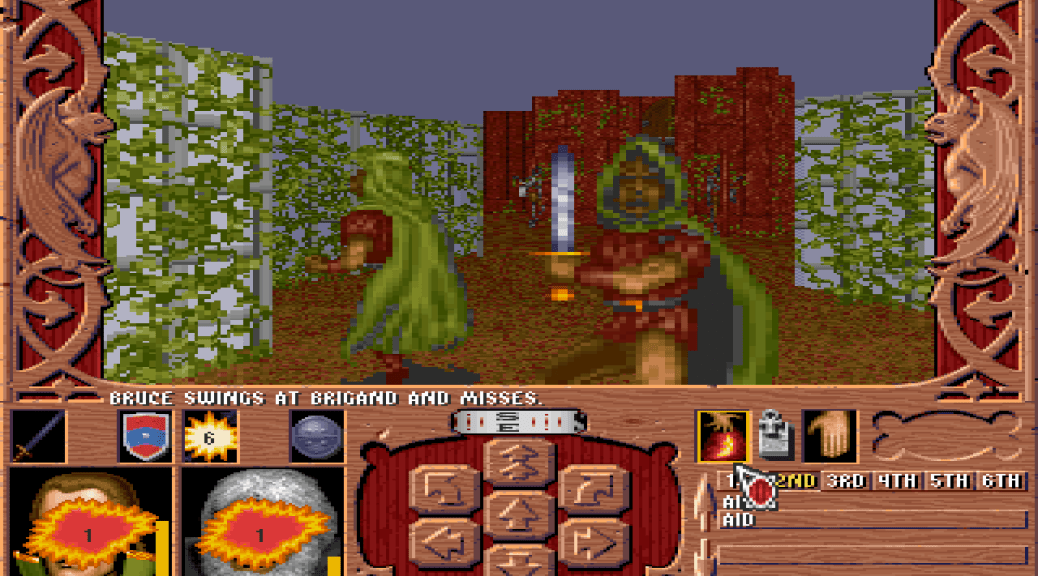
Ravenloft: Strahd’s Possession, PC
Released in 1994, Ravenloft: Strahd’s Possession was developed by DreamForge Intertainment for Strategic Simulations Inc. and was distributed by US Gold in the UK.
I remember it well because I reviewed it for PC Player magazine back in the day.

Beyond Good & Evil, PC
Michel Ancel (the creator of Rayman) and his team produced a video gaming classic in 2003 with Ubisoft‘s Beyond Good & Evil.
It is a pseudo sci-fi fantasy, third-person action/adventure where you control a young woman called Jade, with a pig sidekick called Pey’j, and who is battling against the sinister “DomZ”.
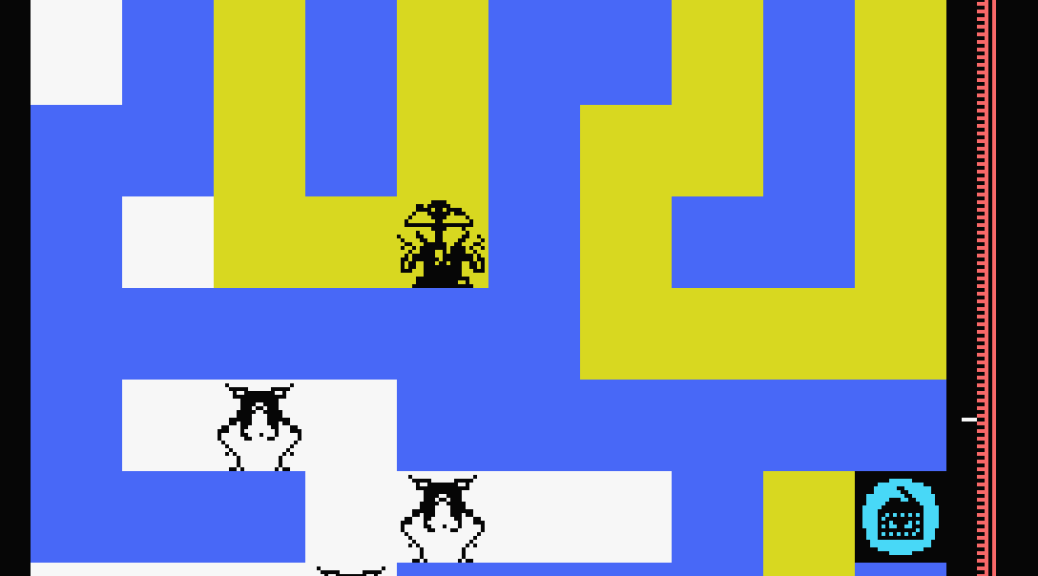
Maziacs, MSX
This MSX conversion of Don Priestley‘s classic Spectrum game, Maziacs, was released by DK’Tronics in 1985. It captures the essence of the original perfectly.

Magic Carpet 2, PC
The full title of this 1995 sequel is Magic Carpet 2: The Netherworlds, and it is an excellent continuation of the series.

Magic Carpet, PC
Magic Carpet from Bullfrog was first released in 1994 through Electronic Arts. It is a DOS-based, first-person action game with you – the player character – flying a ‘magic carpet’ around a series of islands, fighting evil wizards and monsters and collecting ‘mana’ to increase your magical powers.

The Evil Dead, Commodore 64
Another great film turned into video game kitty litter! This one in 1984, by Palace Software.

Tales of Phantasia, Game Boy Advance
This 2003 remake of Namco‘s SNES classic Tales of Phantasia was the first time the game had been officially translated into English.
While much of the game remains the same, there are a few differences.

Tales of Phantasia, Super Nintendo
Tales of Phantasia is an RPG developed by Wolf Team, and first published for the Super Nintendo by Namco in 1995. As JRPGs go, it is quite memorable.
 The King of Grabs