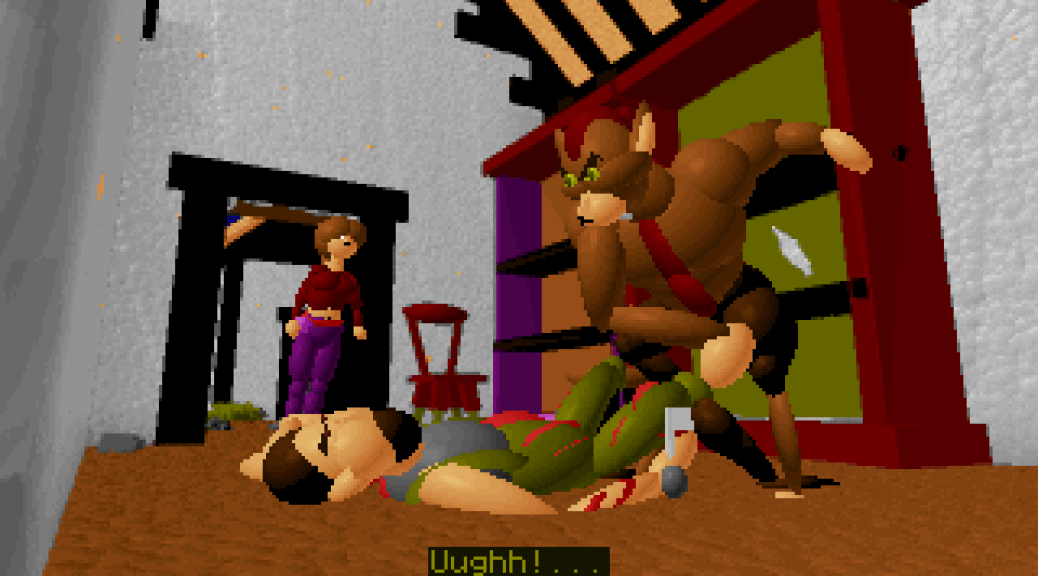
Here’s a second, completely different set of grabs of Andrew Spencer‘s classic Ecstatica. The game is so good that it deserves more attention…
All posts by Mallo
Ecstatica, PC
Andrew Spencer Studios‘ 1994 release, Ecstatica, is a masterpiece of survival horror.
Ecstatica is as unforgiving as it is surprising. Turning the wrong corner will often result in death – at least until you can gain a foothold in the game.
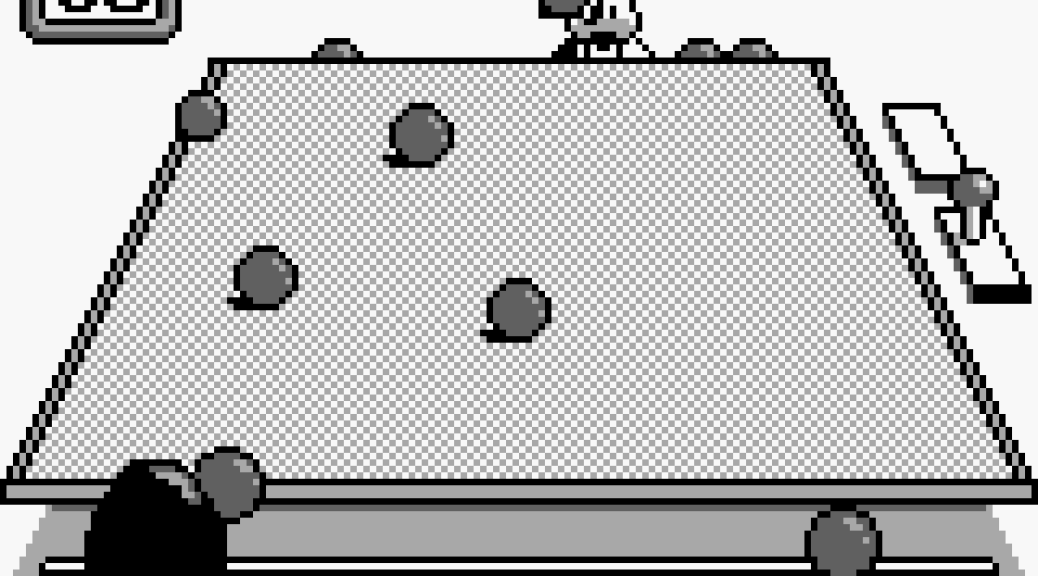
Penguin Wars, Game Boy
UPL and NEXOFT Corporation’s classic, cute Penguin Wars was initially released in arcades in 1985. This excellent Game Boy conversion came five years later, in 1990.
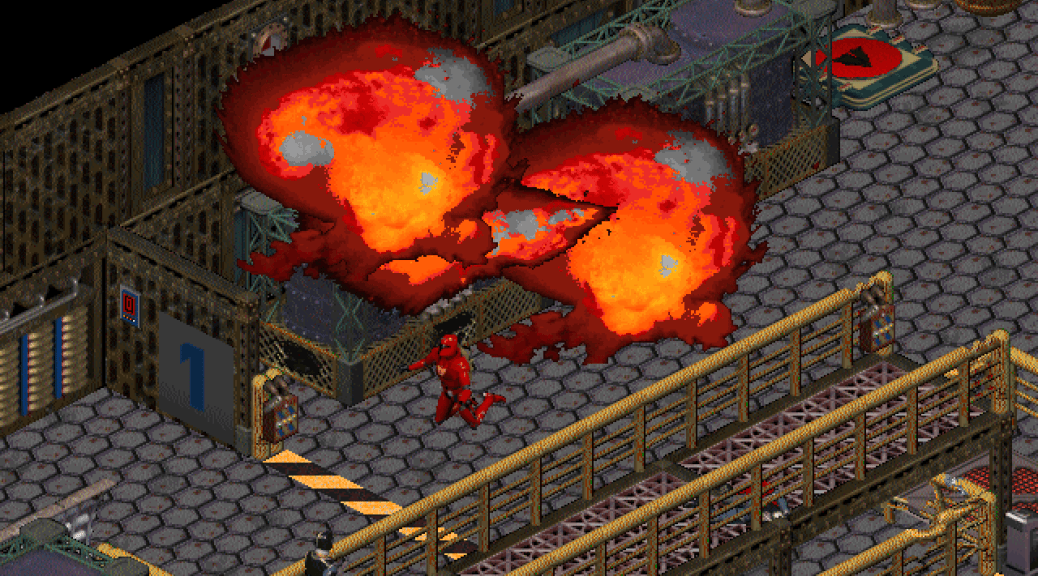
Crusader: No Regret, PC
The 1996 sequel to Crusader: No Remorse, Crusader: No Regret is more of the same, but with more new weapons, more new enemies, more new moves – more of everything, really.

Crusader: No Remorse, PC
Crusader: No Remorse was first released by Origin Systems in 1995.
It’s a violent, isometric shooter with a futuristic setting. In it you play a kind of ‘super soldier’ called a Silencer (how poetic…) who changes sides when his superiors try to have him killed after a botched mission.
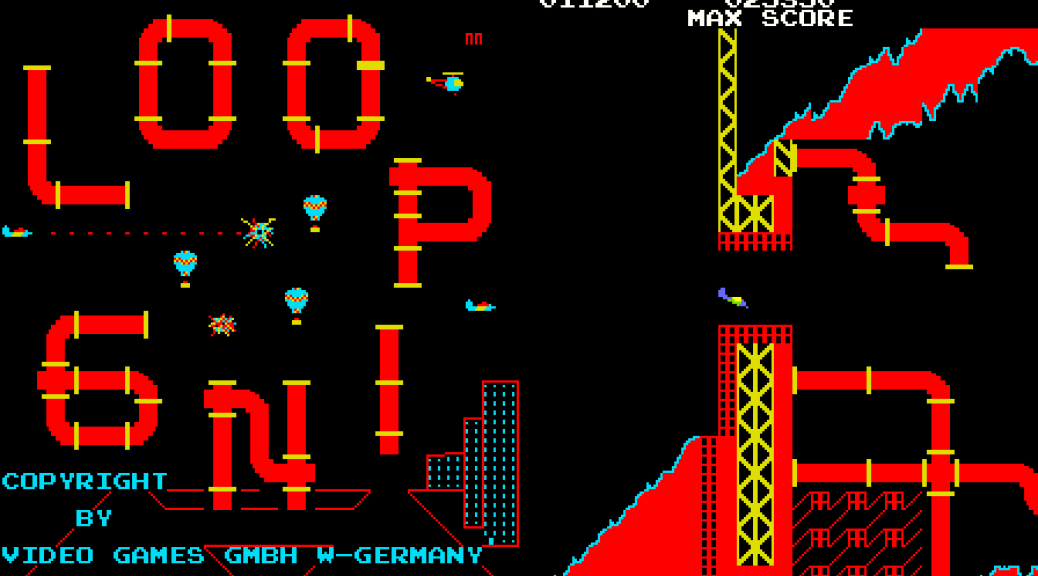
Looping, Arcade
Looping is an old arcade game first released in 1982 by Venture Line.
In it you fly a plane across a horizontally-scrolling cityscape, doing loop-the-loops and trying your hardest not to hit the buildings.

Dirty Harry, NES
Based on the infamous Clint Eastwood film of the same name, Dirty Harry – the video game – is a fairly basic platform shooter released for the Nintendo Entertainment System in 1990.

Gregory Loses His Clock, ZX Spectrum
Playing Gregory Loses His Clock was a real treat for me, because I had never seen it before now. I love finding (and of course grabbing) good old games that have previously passed me by. Considering that Gregory Loses His Clock was released quite late in the life of the ZX Spectrum (1989), it’s no surprise that I missed it. Most people (myself included) had moved onto 16-bit computers by then.

Flunky, ZX Spectrum
This 1987 release from Piranha Games is the fifth of the ‘big sprite’ games from renowned ZX Spectrum programmer Don Priestley.

Through The Trap Door, ZX Spectrum
The 1987 sequel to The Trap Door doesn’t have its own Wikipedia page and isn’t mentioned on the Wikipedia page of its predecessor.

