
The sequel to the notorious crime simulator, Grand Theft Auto, was developed by DMA Design and published by Rockstar Games in 1999. Grand Theft Auto 2 is more of the same overhead, scrolling car-stealing action, although this time it is a set in a futuristic metropolis known as “Anywhere City“, where three feuding gangs are competing to become the dominant crime syndicate in the city.
Tag Archives: sequel
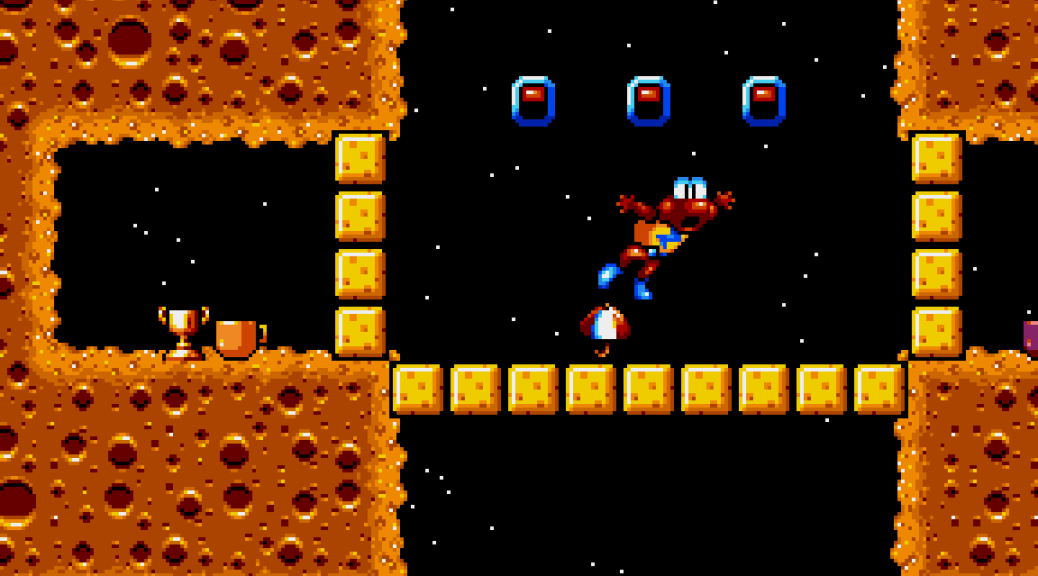
James Pond 3: Operation Starfish, Amiga
The third and final game in the James Pond trilogy was written by Chris Sorrell and published by Millennium Interactive in 1993.
James Pond 3: Operation Starfish was originally developed for the Megadrive/Genesis and was later converted to AGA-based Amigas (the A1200, A4000 and CD32), but was not available on Amigas below that specification.

James Pond II: Codename Robocod, Amiga
James Pond II: Codename RoboCod is the 1991 sequel to James Pond: Underwater Agent and was again written by Chris Sorrell and published by Millennium Interactive. Unlike the first James Pond game this follow-up is much more structured and playable than its predecessor.

Rainbow Islands, Amstrad CPC
Graftgold‘s conversion of Rainbow Islands on the Amstrad is a decent port of the brilliant Taito arcade game. It was published by Ocean Software in 1990.

Dragontorc, Amstrad CPC
I didn’t know that Dragontorc existed on the Amstrad until recently and was pleasantly surprised to find out that it did. Dragontorc is one of my all-time favourite ZX Spectrum games and it translates well to the CPC, flickery graphics included.
Dragontorc was designed and programmed by Steve Turner (of Graftgold fame) and is a sequel to the game Avalon, both of which feature a levitating mage called Maroc on a quest to defeat the forces of evil.

Castle Master II: The Crypt, Amstrad CPC
Castle Master II: The Crypt is the sequel to the ghost-hunting Freescape game, Castle Master, and it was released by Domark in 1990 as part of a double pack with the first Castle Master. As far as I know it was never published as a stand-alone title.
The Crypt is the same as Castle Master in many respects, except that the puzzles and environments are obviously different. The controls and aims are the same as before: destroy the spirits before they destroy you; find keys to open doors, and loot the treasures inside a haunted crypt to score points as you go.
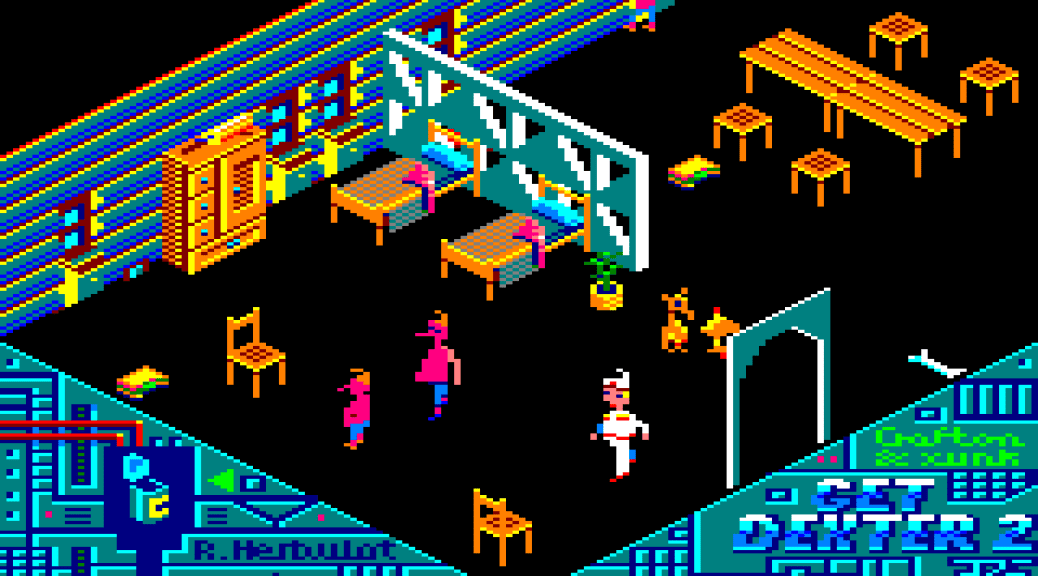
Get Dexter 2, Amstrad CPC
The sequel to the classic Amstrad adventure, Get Dexter, is more of the same isometric puzzle-solving, and weird futuristic adventuring, except that this time the game world is comprised of interlinked exterior screens rather than a simple maze of rooms.

King’s Field IV, PlayStation 2
King’s Field IV was developed and published by FromSoftware in Japan in 2001 for the PlayStation 2. It was later released as King’s Field: The Ancient City in North America in 2002, and in Europe (as simply King’s Field IV) in 2003. It is another first-person RPG and is the fourth and final game in the King’s Field series.

King’s Field III, PlayStation
King’s Field III is the second sequel in FromSoftware‘s classic first-person RPG series and was first released in Japan in 1996. It was published in North America by ASCII Entertainment under the title of “King’s Field II” (because the original King’s Field was only released in Japan).
For my money, King’s Field III is the best of the three PlayStation King’s Field games, with larger, more interesting environments, and a bigger scope than the previous two games. The graphics are still borderline laughable, and the controls are still cumbersome, but the gameplay has evolved reasonably well in the space of a couple of years.

King’s Field II, PlayStation
FromSoftware‘s King’s Field II was initially released in Japan in 1995 and it is another first-person RPG with open world exploration, dodgy graphics and challenging combat. It was later published under the title “King’s Field” by ASCII Entertainment in North America and Sony in Europe in 1996, which does cause some confusion as the western titling ignores the actual first game in the series. For clarity: the official English language “King’s Field” is actually King’s Field II – the sequel.
 The King of Grabs