
This 2003 remake of Namco‘s SNES classic Tales of Phantasia was the first time the game had been officially translated into English.
While much of the game remains the same, there are a few differences.
This 2003 remake of Namco‘s SNES classic Tales of Phantasia was the first time the game had been officially translated into English.
While much of the game remains the same, there are a few differences.
Tales of Phantasia is an RPG developed by Wolf Team, and first published for the Super Nintendo by Namco in 1995. As JRPGs go, it is quite memorable.
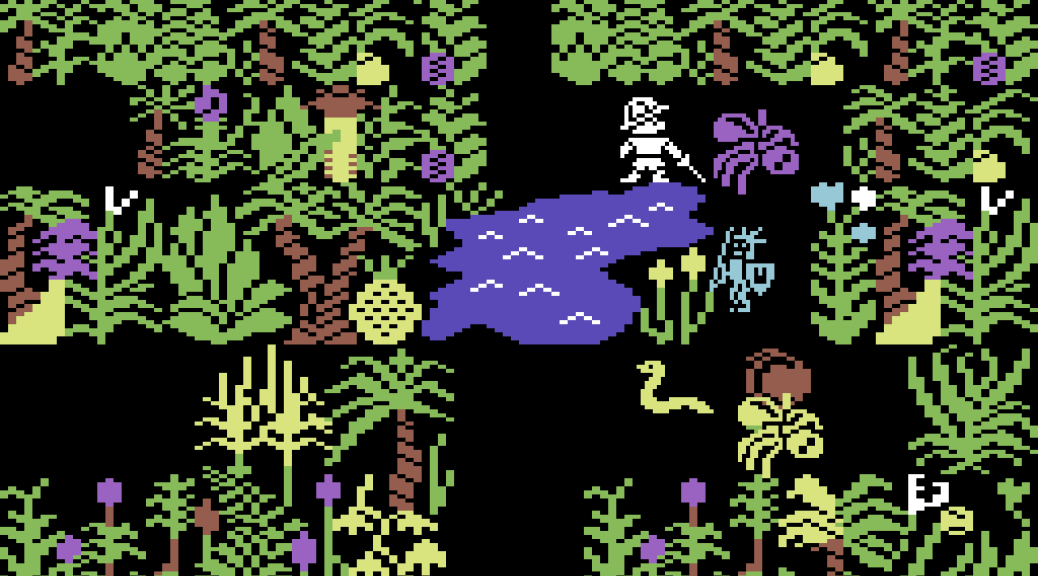
The Commodore 64 version of Ultimate‘s classic Sabre Wulf was made by Greg Duddle of Mr. Micro for Firebird Software, who published the game in 1985.
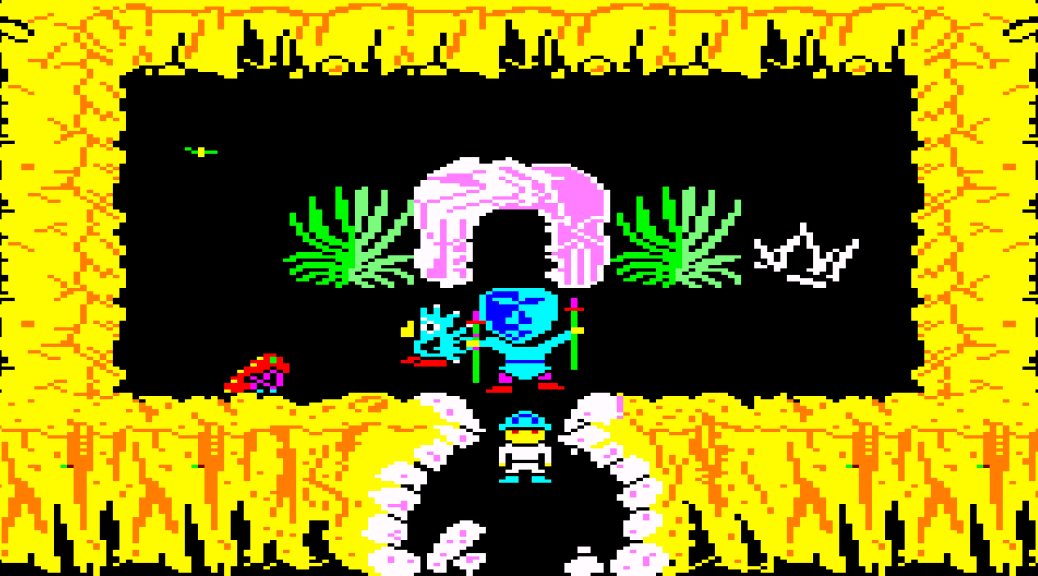
The Amstrad conversion of Sabre Wulf features the same chunky graphics as the BBC version, except with some extra colouring. It does make make a difference though. The Amstrad version doesn’t look quite as harsh as the BBC version.
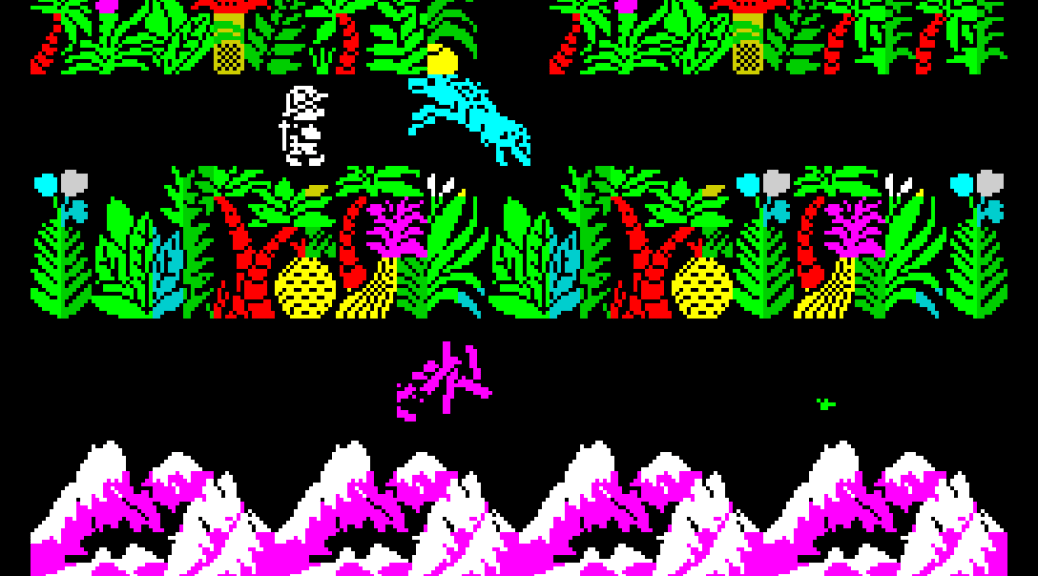
The BBC Micro version of Ultimate Play The Game‘s classic Sabre Wulf is so chunky and garish that it hurts the eyes! That said: it plays well enough.
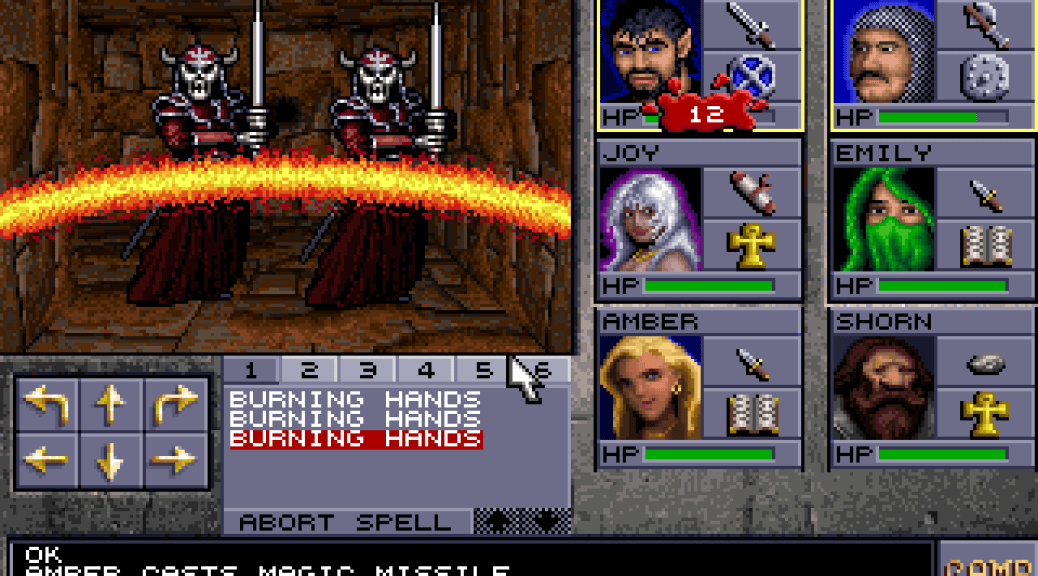
Released the same year as the game that preceded it (1991), Eye of the Beholder II: The Legend of Darkmoon is another excellent first-person, party-based, TSR AD&D-licensed Role-Playing Game with atmospheric, level-grinding gameplay.
Continue reading Eye of the Beholder II: The Legend of Darkmoon, PC
The high-def Windows version of Resident Evil 4 looks a bit sharper than the GameCube original, but is essentially still the same great game.
Resident Evil 4 – THE standout survival horror game of the Noughties – was released exclusively by Capcom on the Nintendo GameCube in 2005, and it immediately became a critical and commercial smash hit. For all the right reasons.
Ultimate Play The Game‘s iconic seventh release for the ZX Spectrum was first released in 1984.
Sabre Wulf is a colourful maze/action game, and was the first game to feature the lead character Sabreman.




 The King of Grabs