
Developed by NCS Corporation and published by Masaya Games in Japan and NEC in North America in 1990, Double Dungeons is a one or two-player, first-person, dungeon-crawling JRPG with real-time combat. The game’s unique selling point is that it features two-player split-screen cooperative play, which is unusual for a game like this, and which makes it simultaneously playable with a friend.
Tag Archives: swords

Treasure Hunter G, Super Nintendo
Developed by Sting Entertainment and published by Squaresoft in 1996, Treasure Hunter G is a tactical Japanese Role-Playing Game that features exploration, turn-based combat and a fantasy-based storyline that mixes magic and technology. It was released in Japan only, but a fan translation makes it playable in English.

Castlevania: Order of Ecclesia, Nintendo DS
Castlevania: Order of Ecclesia was the third Castlevania game released for the Nintendo DS and was released by Konami in 2008. In this one you play as a member of The Order of Ecclesia – a clan dedicated to defeating Dracula.
Continue reading Castlevania: Order of Ecclesia, Nintendo DS

Castlevania: Portrait of Ruin, Nintendo DS
Castlevania: Portrait of Ruin was the second Castlevania game released for the Nintendo DS and was released by Konami in 2006. Portrait of Ruin is set in 1944, before the end of the Second World War, and Dracula‘s castle has appeared in man’s darkest hour, to push humanity over the brink into ruin.

Castlevania: Dawn of Sorrow, Nintendo DS
Castlevania: Dawn of Sorrow was the first Castlevania game released for the Nintendo DS and was released by Konami in 2005. It is a direct sequel to Aria of Sorrow on the Game Boy Advance and continues the story of that game.
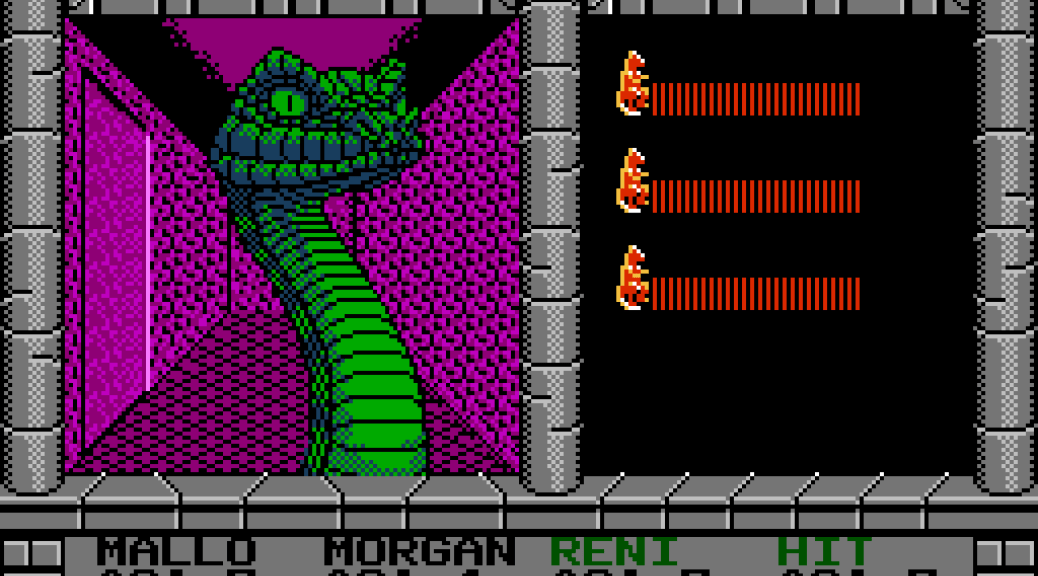
Swords and Serpents, NES/Famicom
Developed by Interplay Productions and published by Acclaim Entertainment in 1990, Swords and Serpents is a first-person, party-based RPG with tile-based movement for up to four players. You can either build a party of four characters yourself, in single-player mode, or up to four different players can control one party member each in multiplayer mode*.
*= An adapter, like the ‘NES Satellite‘, or another four-player expansion peripheral, is required if you’re going to play with that many players (but, let’s face it, very few will, although it’s nice – and fairly unique – to have the option to do that).
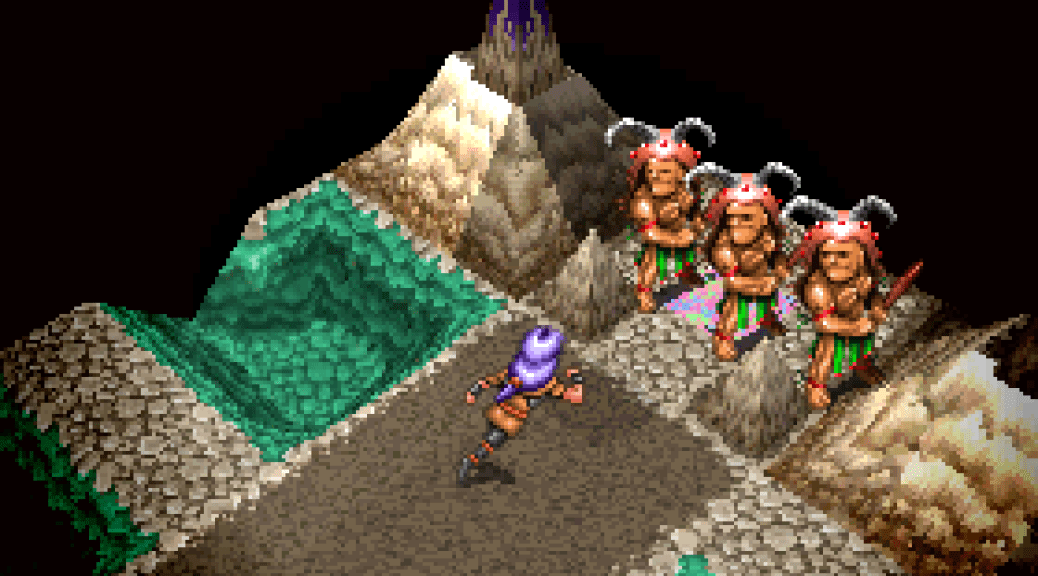
Lucienne’s Quest, 3DO
Lucienne’s Quest is a Japanese Role-Playing Game developed by Microcabin for the 3DO. It is, in fact, the only traditional JRPG released for the 3DO and was initially released in Japan in 1995. The game was localised into English and released in North America in 1996 by Panasonic.

Another Bible, Super Game Boy
Another Bible is the fourth game in the Megami Tensei ‘Last Bible‘ spin-off series and was originally released for the original Game Boy, in Japan only, in 1995. An English fan translation, by Aeon Genesis, was released in 2002 and the game is also Super Game Boy compatible, so that’s the version I’m showing here.
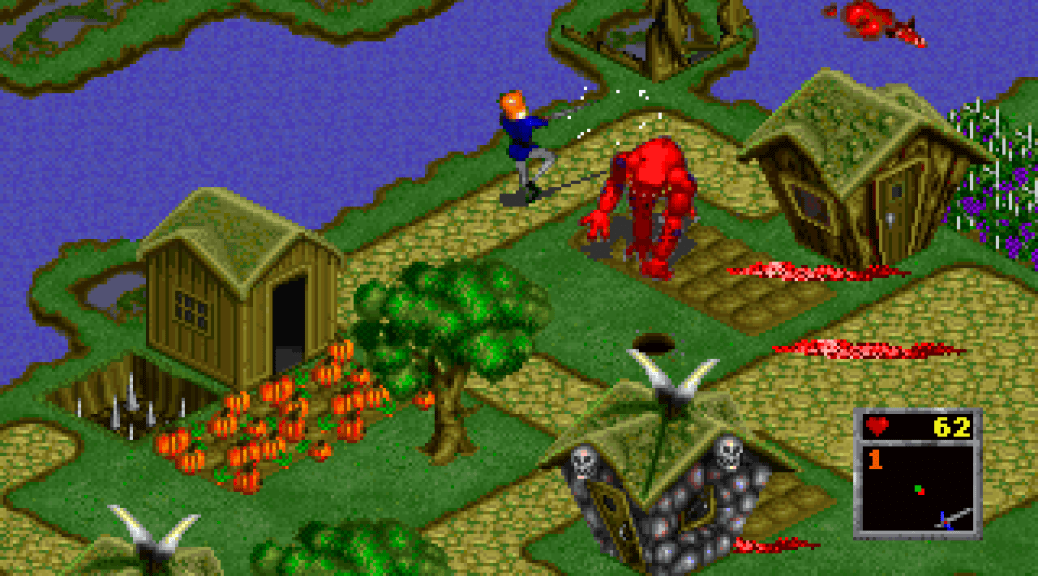
The Horde, 3DO
Developed by Toys For Bob, Inc. and published by Crystal Dynamics (in North America and Japan) and BMG Interactive (in Europe) in 1994, The Horde is an isometric fantasy action game where you have to defend a village from attacking ‘Hordlings‘ – red gremlin-like creatures that attack in waves and try to eat and destroy everything in the province.
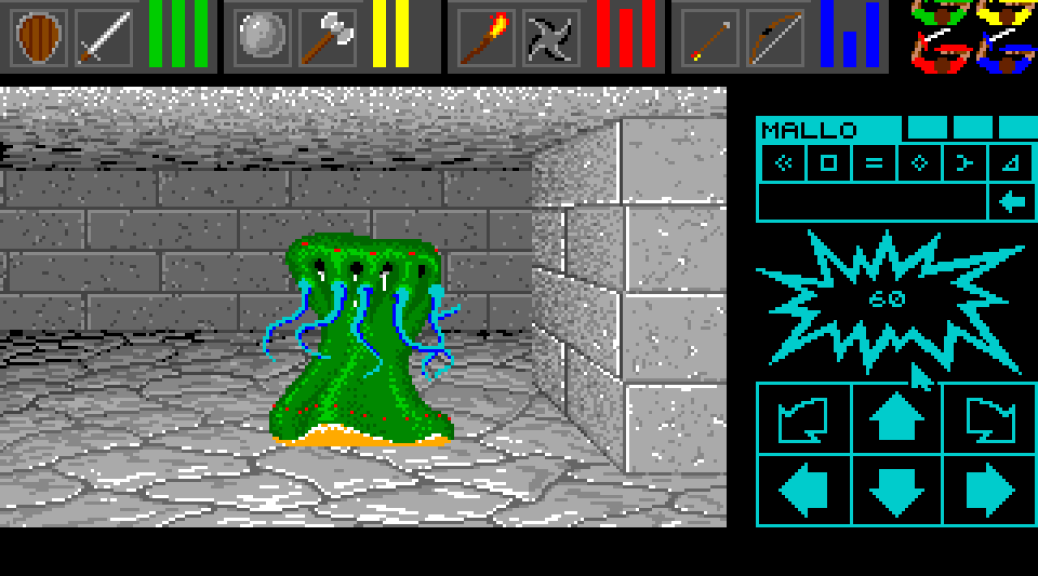
Dungeon Master, Apple IIgs
The 1989 Apple IIgs conversion of FTL‘s Dungeon Master was created by the original developers and is therefore a perfect port of this classic Role-Playing Game. The game requires a minimum of 1MB of RAM to run, like the Amiga version, and a processor running at 2.8MHz or above makes it playable at the right speed.

