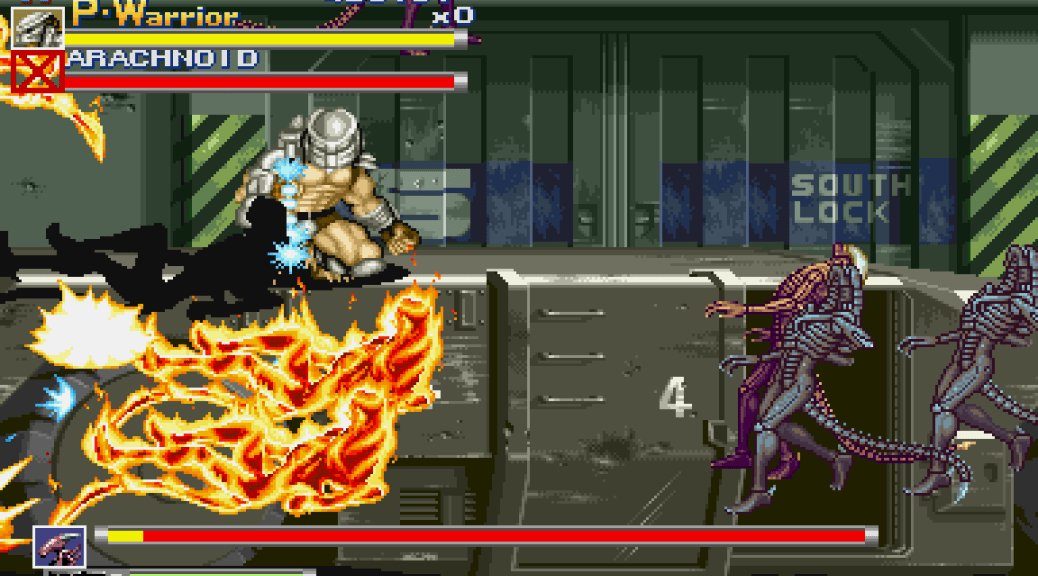
This 1994 arcade game from Capcom is a ridiculously over-the-top beat ’em up in the style of Cadillacs and Dinosaurs – side-scrolling, all-action, with gigantic sprites jumping around all over the place.
Tag Archives: futuristic
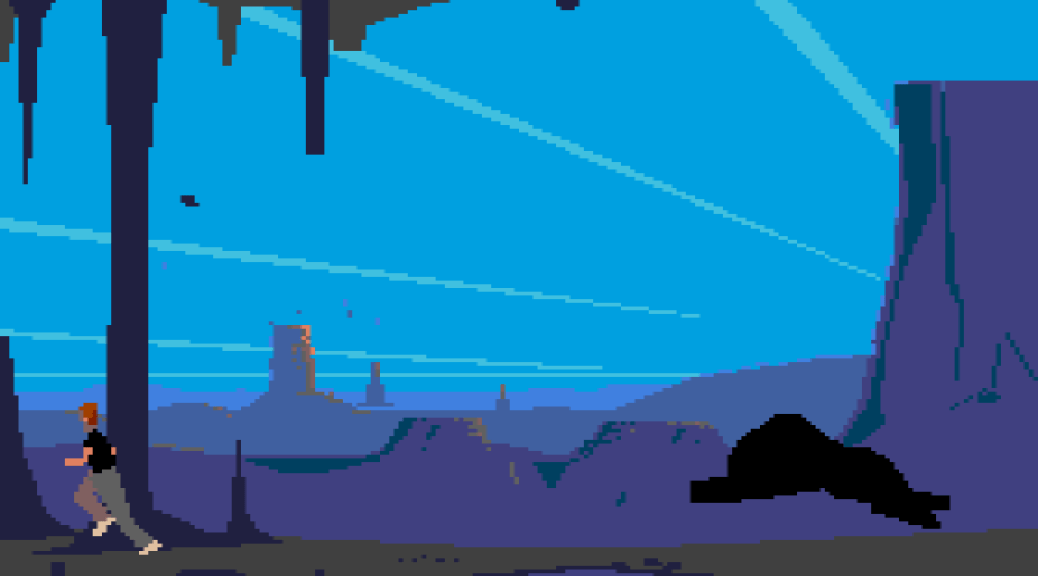
Another World, Megadrive/Genesis
There are countless versions of Another World – Delphine Software‘s 1991, sci-fi masterpiece – but the Megadrive version (shown here) is arguably the best of them.

Robotron: 2084, Arcade
Williams Electronics‘ savage and heart-pounding single-screen shoot ’em up, Robotron: 2084 (1982), used twin joysticks to give the player 360 degree firing action, while at the same time allowing full 360 degree movement.
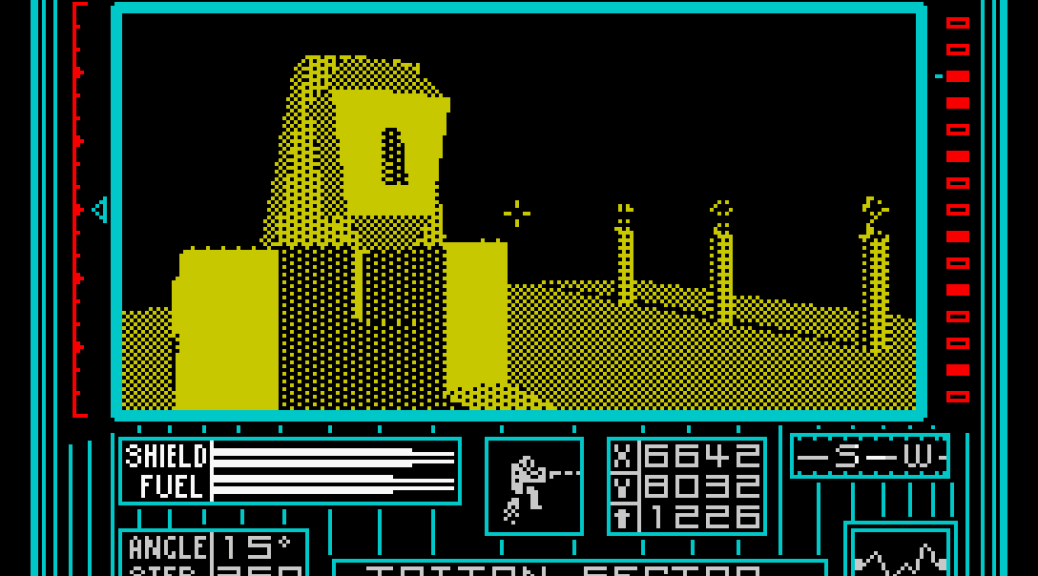
Dark Side, ZX Spectrum
Dark Side is the 1988 sequel to Driller is a very early example of a first-person, full 3D, explorable world, that can be viewed from almost any angle.
The game engine – Freescape – has gone on to become famous as one of the earliest examples of its type, and one that was hugely influential on every 3D exploration game that followed.

Metroid Prime, GameCube
The fifth game in Nintendo‘s famous “Metroid” series, and the first to use 3D graphics, Metroid Prime follows the well-worn gameplay path of the earlier Metroid games (that is: have all your equipment; lose all your equipment; have to find all your equipment again) and again sees you playing as Samus Aran, a female ex-soldier with a powered exoskeleton.

Crystalis, NES
Crystalis was SNK‘s response to Nintendo‘s Zelda games back in 1990, it being an action adventure with real-time combat, just like Zelda. But Crystalis is definitely something more than simply a Zelda clone – it is one of the best games on the system and a great game in its own right.

Laser Squad, ZX Spectrum
Another Julian Gollop classic – Laser Squad was one of the earliest squad-based tactical combat video games, released in 1988, and was originally developed for the ZX Spectrum (and later converted to various other systems).

Metroid Fusion, Game Boy Advance
Also known as “Metroid 4“, Metroid Fusion on the Game Boy Advance is the fourth episode in the famous run-and-gun series from Nintendo and was first released in 2002.

Super Metroid, Super Nintendo
The third game in the Metroid series is a top class Super Nintendo classic.
Super Metroid (1994) is more detailed than both previous Metroid games put together, although the basic structure is the same – explore various levels to find your latent abilities, all of which have been lost (“Why does this keep happening in Metroid games?” you may ask. “It’s in the script,” is my answer).
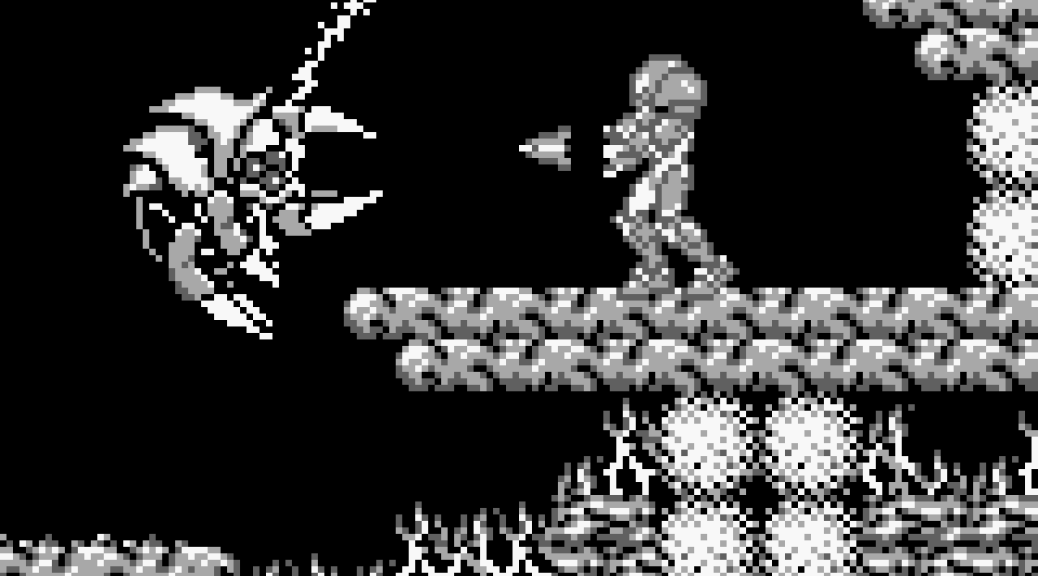
Metroid II: Return of Samus, Game Boy
The second ever Metroid game first appeared on the Nintendo Game Boy in 1991.
Metroid II: Return of Samus is a brilliant continuation of the first Metroid game. The animation of lead character Samus is much more gritty and realistic in this game, compared to the NES original. And the monochromatic graphics actually seem to add to the eerie atmosphere, rather than hamper the game at all.

