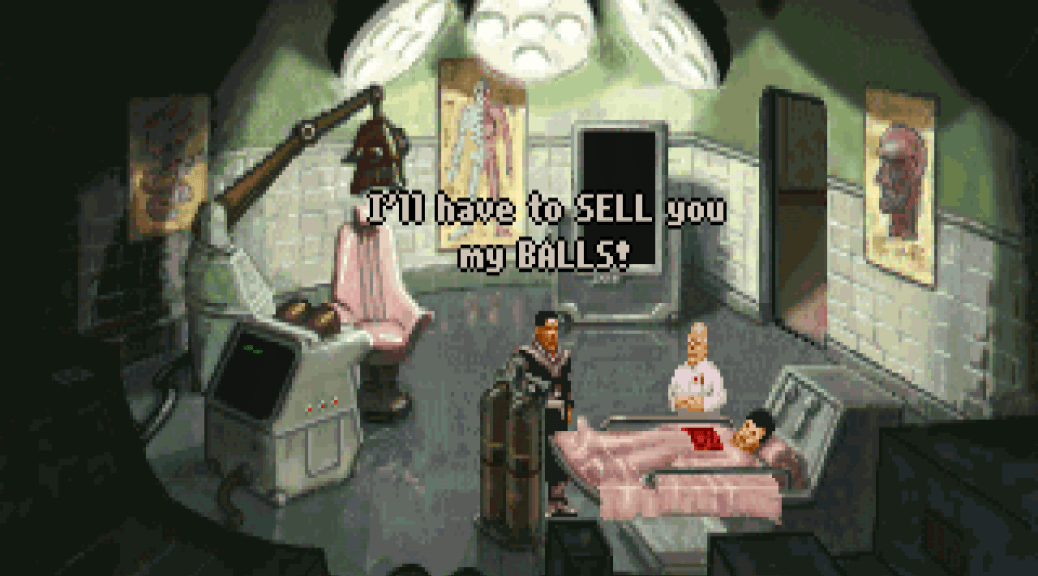
Revolution Software‘s second point-and-click adventure (after Lure of the Temptress); first released in 1994; Beneath A Steel Sky is a humorous, futuristic, dystopian, “film noir” mystery, co-designed by legendary comic artist Dave Gibbons.
Tag Archives: futuristic

Laser Squad, Atari ST
Laser Squad was a great strategy game on early 8-bit home computers. This Atari ST 16-bit conversion retains the same excellent turn-based gameplay, but updates the graphics with extra colours and frame rates.
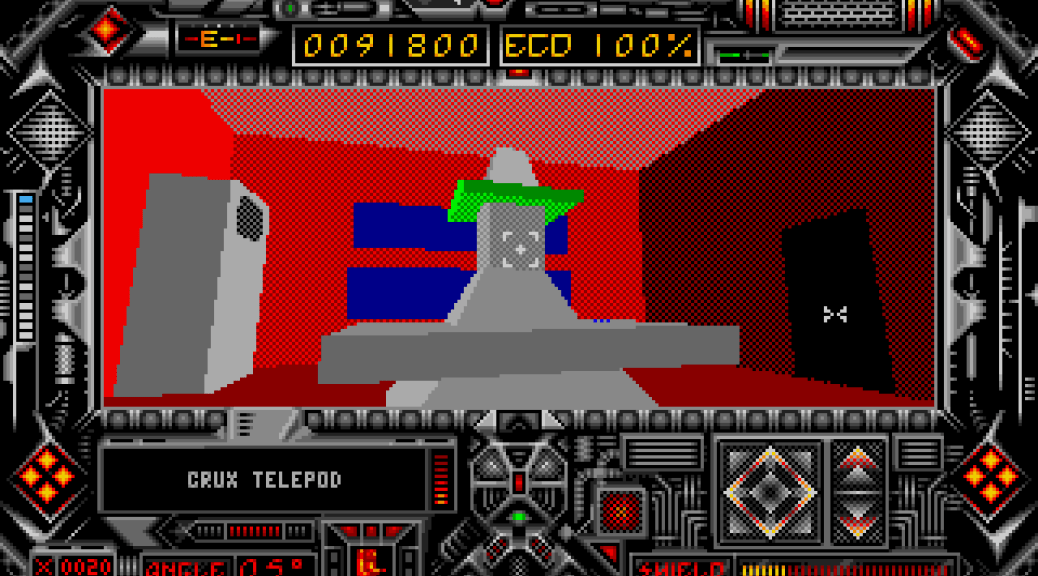
Dark Side, Atari ST
Dark Side is the second Freescape game from Major Developments and was published by Incentive Software (Microprose in the US).
Freescape was one of the earliest (if not THE earliest) 3D game engine and was used to make a series of significant games in the mid Eighties.

Highway Encounter, Atari ST
This 1990 Atari ST conversion of the ZX Spectrum classic Highway Encounter I don’t think was ever commercially released, even though it was co-created by Costa Panayi, the guy who made the original.
Costa created some wonderful games for the Spectrum, and Highway Encounter was one of them. And it has been brilliantly converted to the ST (by Mark Haigh-Hutchinson, with graphics by Costa). This is no farmed-out-to-a-third-party hack job. This is the real thing.
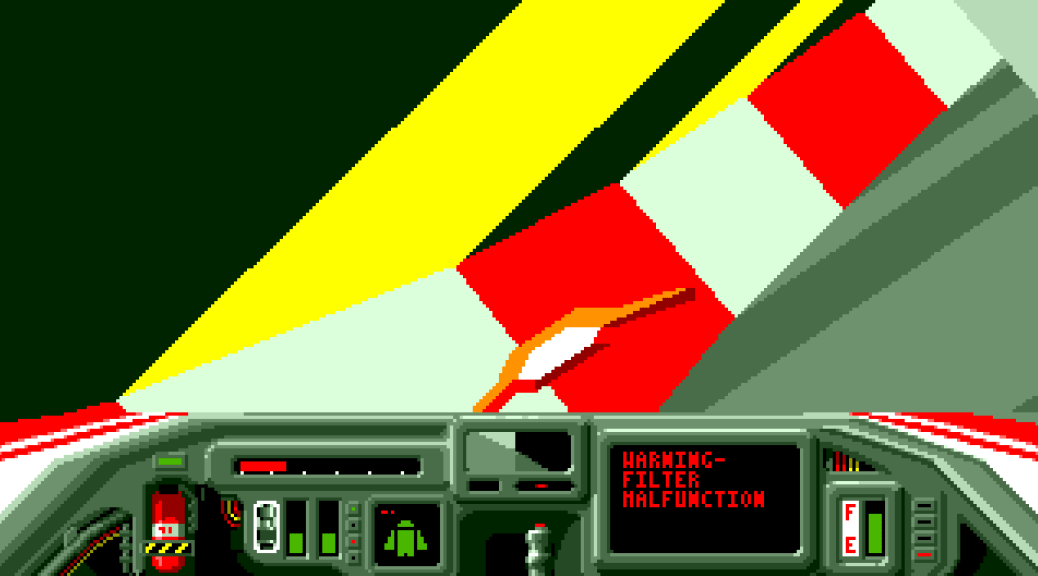
Powerdrome, Atari ST
Michael Powell‘s Powerdrome is a futuristic 3D racing game that pre-dates WipEout. It was first published by Electronic Arts for the Atari ST in 1988.

Tron, Arcade
The 1982 arcade version of Tron is well-remembered by many gamers. It was developed by ENCOM International and manufactured and distributed by Bally Midway.
It features a four-stage video-gaming challenge via some of the scenes from the famous film (ironically, about video games).

Rise of the Robots, PC
Mirage‘s infamous 1994 beat ’em up, Rise of the Robots, was hyped massively before, during and after its initial release, but never managed to break free from criticism that it was nothing more than a steaming pile of donkey muck.
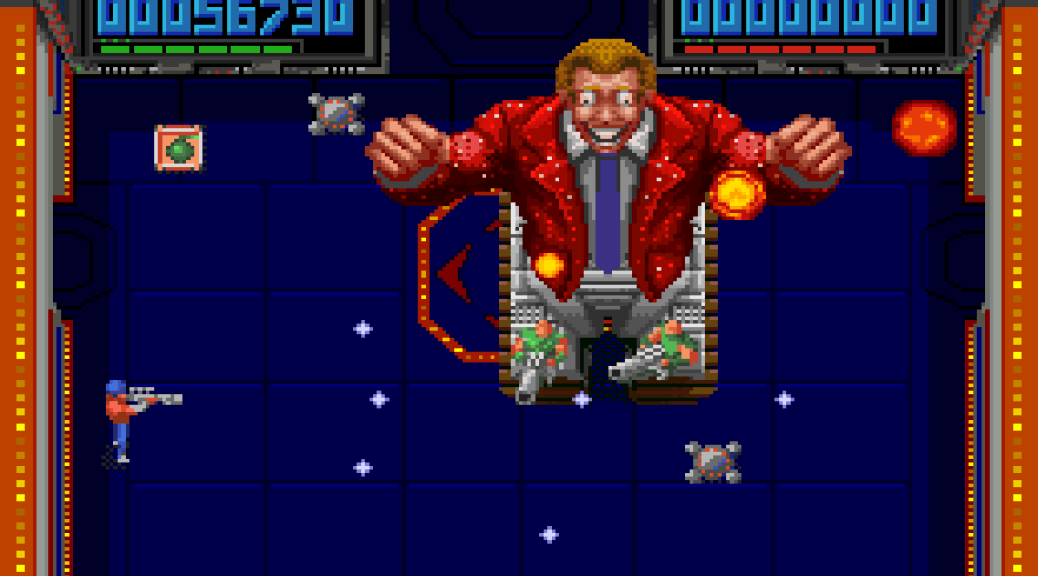
Smash TV, Super Nintendo
I was thinking to myself: “What’s the best out-and-out blaster on the Super Nintendo?” and a couple of names came to mind. Axelay I’ve already featured on here. Smash TV, I’ve featured the arcade parent, but not the 1991 SNES version.
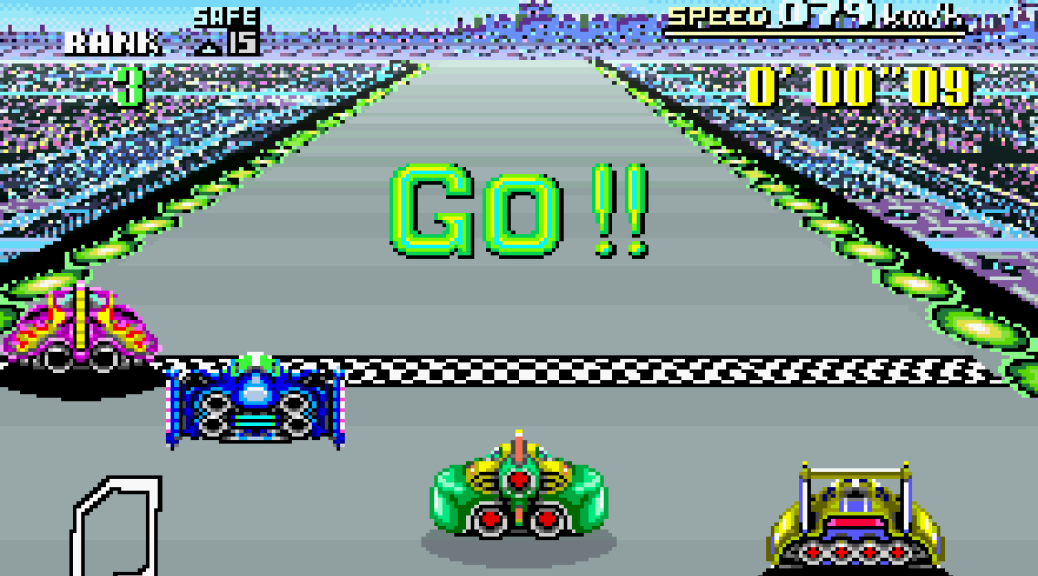
F-Zero, Super Nintendo
F-Zero is an extremely fast and memorable futuristic racing game from the early days of the Super Nintendo. 1990 to be precise.
F-Zero – and Super Mario World – were the only two games available for the SNES on the day of its launch in Japan.
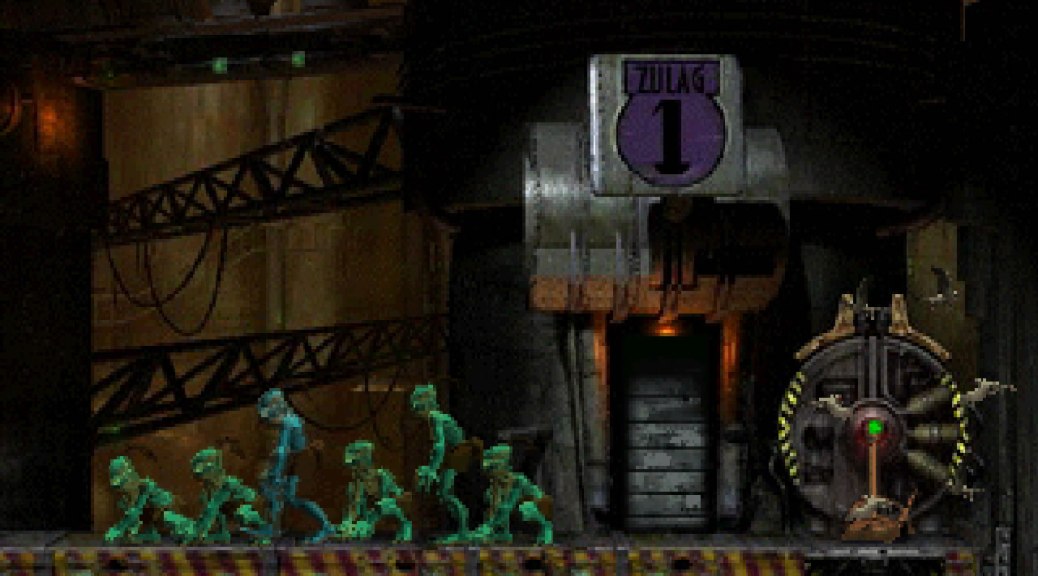
Oddworld: Abe’s Oddysee, PlayStation
Abe’s Oddysee is the first in a quadrilogy of games that fall under the Oddworld series banner, and the first game to feature Abe – a likeable alien slave who is on the run from his captors.

