
Activision‘s classic underground rescue game, H.E.R.O., was released on Sega‘s SG-1000 console – in Japan only – in 1985, and it is somewhat different to all the other versions of the game out there.
Tag Archives: console

H.E.R.O., Atari 5200
The Atari 5200 version of H.E.R.O. was ported by The Softworks and published by Activision in 1984. It is definitely a step up from the original Atari 2600 version and is more or less identical to the Atari 8-bit version, but with slightly richer colours.

Rainbow Islands, NES/Famicom
The NES version of Rainbow Islands was developed and published by Taito (it was published by Ocean Software in Europe) in 1992. It is a decent enough port of the classic arcade game but does have some deficiencies compared to the original.

Impossamole, PC Engine
The 1991 PC Engine/TurboGrafx-16 version of Gremlin Graphics‘ classic Monty Mole game is a rare treat: it’s a British-developed PC Engine game, and an alright one at that. And, believe it or not, but the PC Engine version of the game is the one that’s currently available on Steam and GOG.com.

Timecop, Super Nintendo
Developed by French company Cryo Interactive and published by JVC for the Super Nintendo in 1995, Timecop is based on the 1994 film, starring Jean-Claude Van Damme and directed by Peter Hyams. The game is arguably one of the worst titles ever released for the SNES…

Another Bible, Super Game Boy
Another Bible is the fourth game in the Megami Tensei ‘Last Bible‘ spin-off series and was originally released for the original Game Boy, in Japan only, in 1995. An English fan translation, by Aeon Genesis, was released in 2002 and the game is also Super Game Boy compatible, so that’s the version I’m showing here.
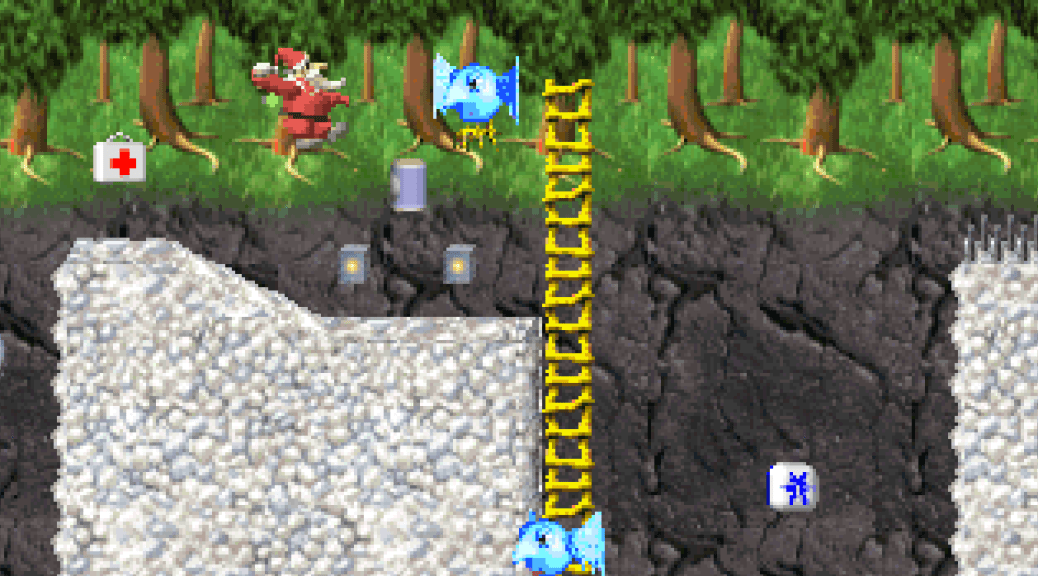
Santa Claus Saves The Earth, PlayStation
Santa Claus Saves The Earth is a Christmas-themed platform game developed by Lithuanian company Ivolgamus and released for the PlayStation and Game Boy Advance by Telegames in 2002.
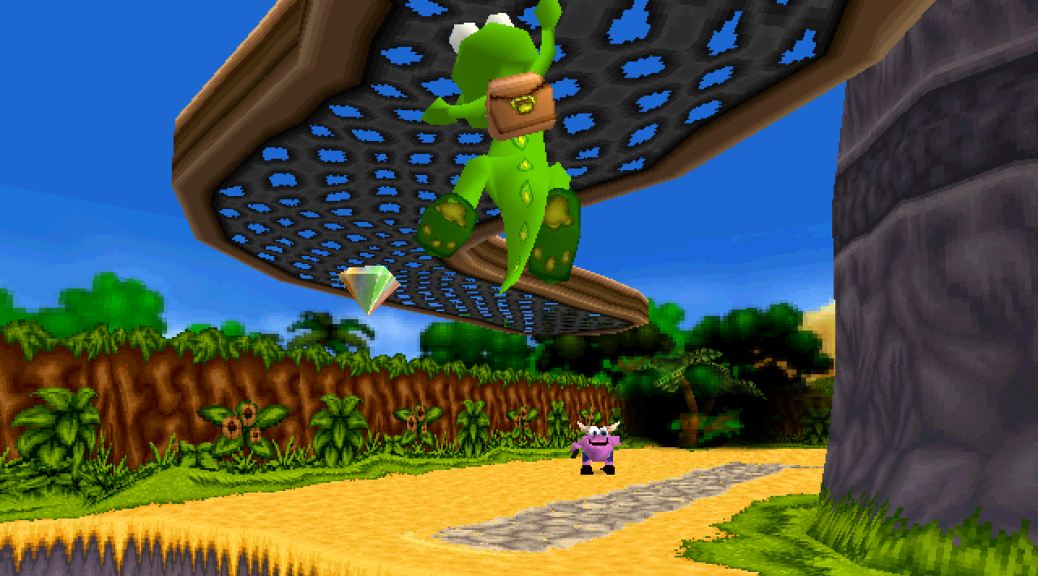
Croc 2, PlayStation
First released for the Sony PlayStation in 1999, and is the sequel to the smash hit Croc: Legend of the Gobbos, Croc 2 is a 3D platform game developed by Argonaut Software and published by Fox Interactive.
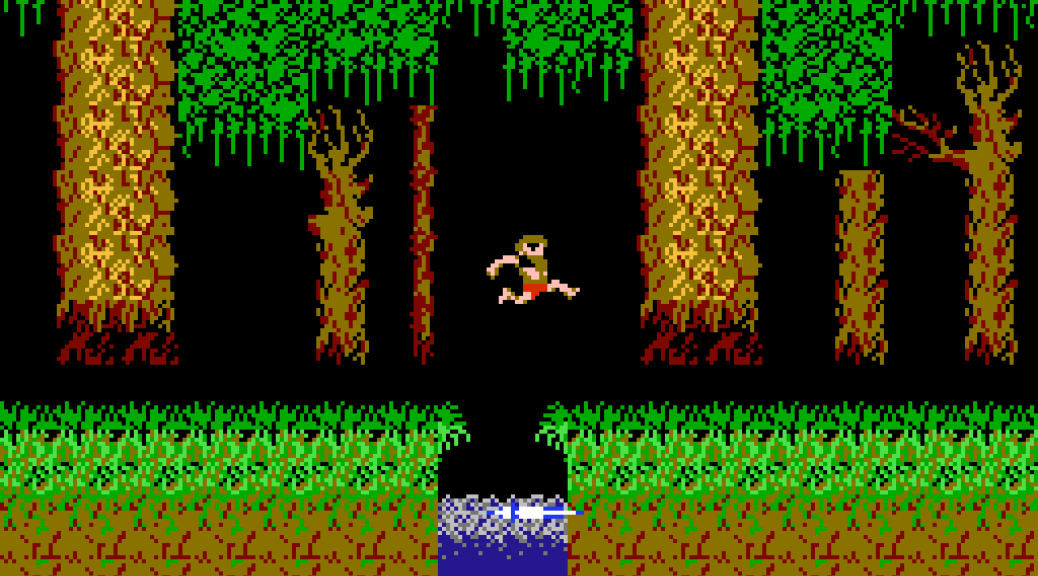
Ghosts ‘N Goblins, NES/Famicom
The NES/Famicom port of Capcom‘s classic arcade game, Ghosts ‘N Goblins, was developed by Micronics and first published in 1986. And – just like its parent – it is a very difficult game to make progress in.
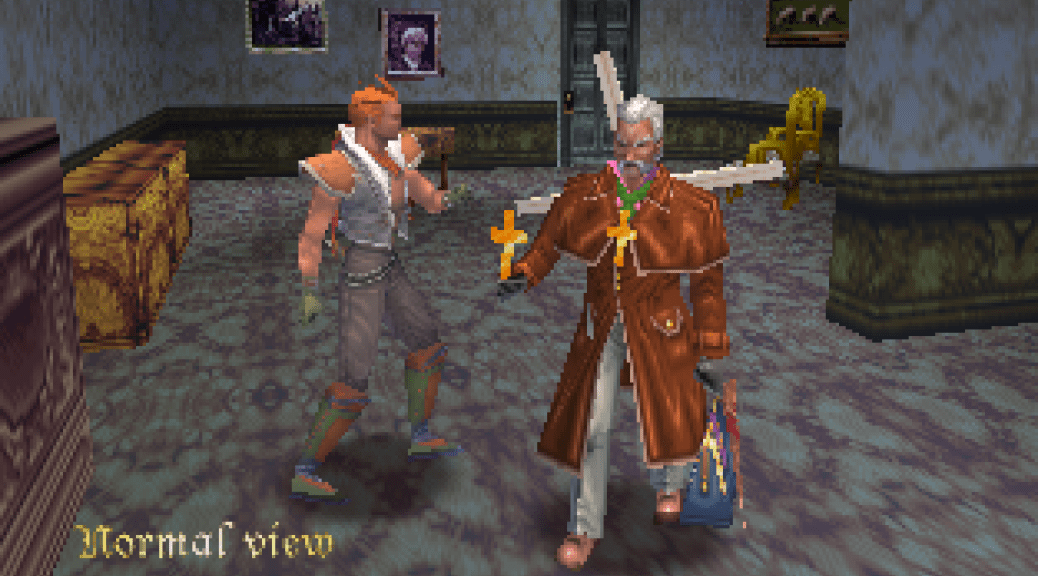
Castlevania, Nintendo 64
Developed by Konami‘s Kobe division and first released in 1999, Castlevania on the N64 (sometimes referred to as “Castlevania 64“) is a third-person 3D game – the first 3D game, in fact, in the popular horror/platform/action series.
 The King of Grabs