
Brad Stewart‘s 1978 Atari 2600 conversion of the pioneering 1976 arcade game, Breakout, is a software-based cartridge version that most people who’ve played the game will be familiar with. Mainly because – as far as I know – the original arcade version of Breakout is currently un-emulatable, because it utilizes mechanical components that prevent it from being played as a ROM file in something like MAME.
Tag Archives: Two-Player
Games that two people can play simultaneously.

Devilish: The Next Possession, Megadrive/Genesis
Devilish: The Next Possession (known in Japan as Bad Omen) is the Megadrive/Genesis sequel to the 1991 Game Gear game, Devilish. It was developed by Genki and first released in 1992.
Continue reading Devilish: The Next Possession, Megadrive/Genesis

Megami Tensei Gaiden: Last Bible II, Game Boy Color
Megami Tensei Gaiden: Last Bible II is the second game in the Last Bible series, which is a spin-off from the Megami Tensei RPG series. Last Bible II was originally released in Japan in 1993 for the original B&W Game Boy, with the Game Boy Color version coming out in 1999, some six years later. Neither version was ever officially released in the West, but there is an English fan translation for the Game Boy Color version, which is what I’m showing here.
Continue reading Megami Tensei Gaiden: Last Bible II, Game Boy Color
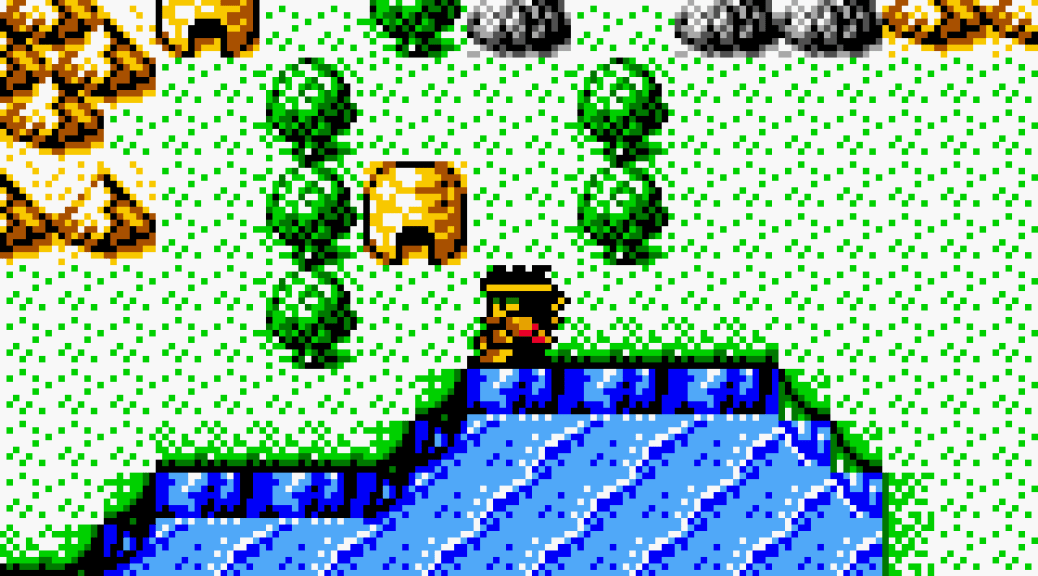
Revelations: The Demon Slayer, Game Boy Color
Revelations: The Demon Slayer is the localized English language version of Megami Tensei Gaiden: Last Bible, which was first released for the original Game Boy, in Japan only, in 1992. This Game Boy Color version was developed by Multimedia Intelligence Transfer and published by Atlus, in Japan and North America, in 1999.
Continue reading Revelations: The Demon Slayer, Game Boy Color

Crypt Killer, Arcade
Crypt Killer is a three-player, horror-themed lightgun shooter that was first distributed into arcades by Konami in 1995. It uses 3D polygonal graphics for the backgrounds and 2D scaled sprites for the enemies and objects. In some respects it is Konami‘s attempt at producing a House of the Dead-style shooter, although in my humble opinion it isn’t as good as Sega‘s famous horror shooter series.

Spectre, Super Nintendo
Originally an award-winning game on Macintosh computers, Spectre is a first-person tank battle game for one or two players, initially developed by Peninsula Gameworks. This Super Nintendo conversion was developed by Synergistic Software and released in North America by Cybersoft, and in France and Germany by Gametek, in 1994. As far as I can tell it wasn’t released anywhere else, so remains relatively obscure, as SNES games go.

Zero Wing, Megadrive/Genesis
The English language Sega Megadrive conversion of Toaplan‘s Zero Wing has gone down in history as one of the (unintentionally) funniest games of all time. The intro sequence (which was created for this version of the game and does not appear in the arcade original) features some of the most hilariously bad translations of all time, including the now iconic sentence “All your base are belong to us“, which became a meme in the early 2000s.

Zero Wing, Arcade
Zero Wing is a side-scrolling bullet hell shooter developed by Toaplan and distributed into arcades by Namco in Japan and Williams Electronics in North America in 1989.
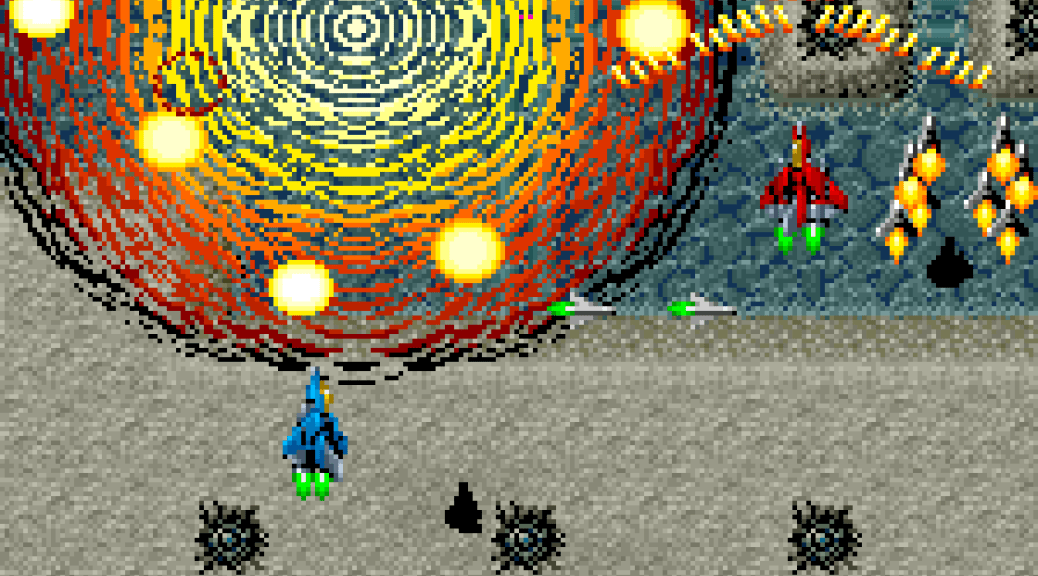
Raiden Densetsu, FM Towns
Released in Japan as “Raiden Densetsu” (“Legend of Raiden“), but with a title screen that calls it “Raiden Trad“, this is an authentic port of the Seibu Kaihatsu arcade game Raiden, but with a few extra options.

Super Street Fighter II: The New Challengers, FM Towns
The 1994 FM Towns version of Super Street Fighter II: The New Challengers is a port of the popular Capcom arcade fighting game of 1993. It is the fourth game in the Street Fighter II sub-series, with four new fighters, adding to the existing roster of twelve characters from The World Warrior.
Continue reading Super Street Fighter II: The New Challengers, FM Towns
 The King of Grabs