
Shining Soul is an isometric RPG with real time combat, developed by Nextech and Grasshopper Manufacture and published by Sega in Japan and Europe and Atlus in North America. It was first released for the Game Boy Advance in 2002.
Tag Archives: skeletons

Devil’s Crush, PC Engine
Devil’s Crush is the sequel to the classic console pinball game Alien Crush, developed by Compile and first published for the PC Engine in 1990 by NAXAT Soft in Japan (as Devil Crash), NEC in North America, and Tengen in the UK. It is the second game in the Crush Pinball series.

Deliverance: Stormlord II, ZX Spectrum
Deliverance: Stormlord II is the sequel to Stormlord and was published by Hewson Consultants in 1990. Programming and art were once again handled by Raffaele Cecco and Hugh Binns respectively, with game design by Paul Chamberlain and Barry Simpson.
It’s a single-player platform game where you once again take control of Stormlord to rescue kidnapped fairies from the evil forces of the defeated Black Queen; fighting from ‘Hell’, all the way up to ‘Heaven’.

Judge Dredd: Dredd vs. Death, GameCube
The Nintendo GameCube version of Dredd vs. Death was published by Evolved Games in North America and Sierra in Europe in 2003. It was developed by Rebellion, the owner of the 2000AD brand.
Judge Dredd: Dredd vs. Death is a first-person shooter that at least tries to make good use of the Judge Dredd license, and to a large extent it succeeds quite well.
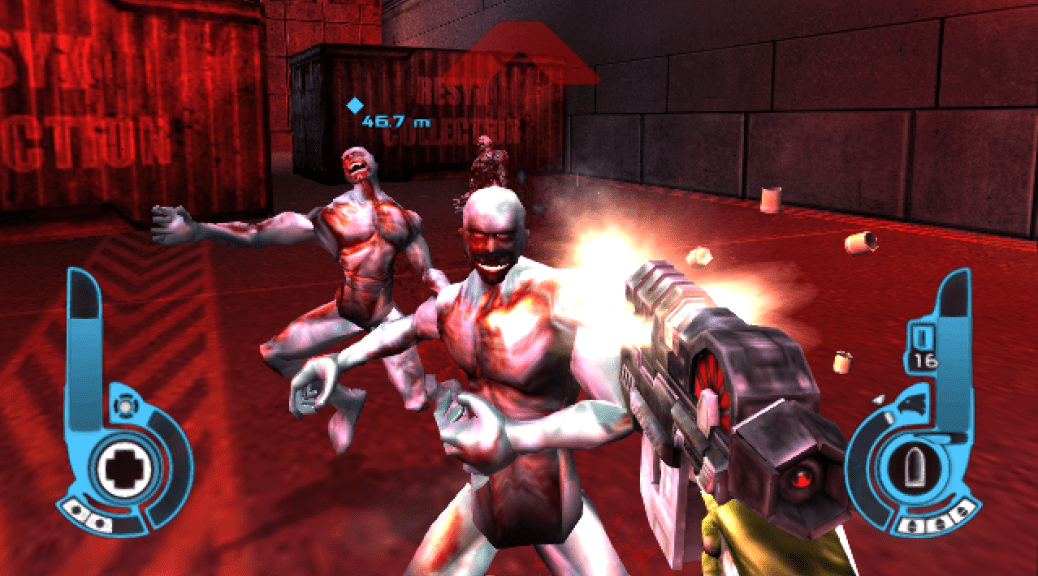
Judge Dredd: Dredd vs. Death, PlayStation 2
Released in 2003 for PC, PlayStation 2, GameCube and XBox, Judge Dredd: Dredd vs. Death is a first-person shoot ’em up developed by Rebellion and based on the infamous 2000AD comic character of Judge Dredd. And – so far (at the time of writing) – it is really the only Judge Dredd game that does the source material any real justice (pun intended). The game is almost twenty years old now, but it’s still worth playing nowadays.
Continue reading Judge Dredd: Dredd vs. Death, PlayStation 2
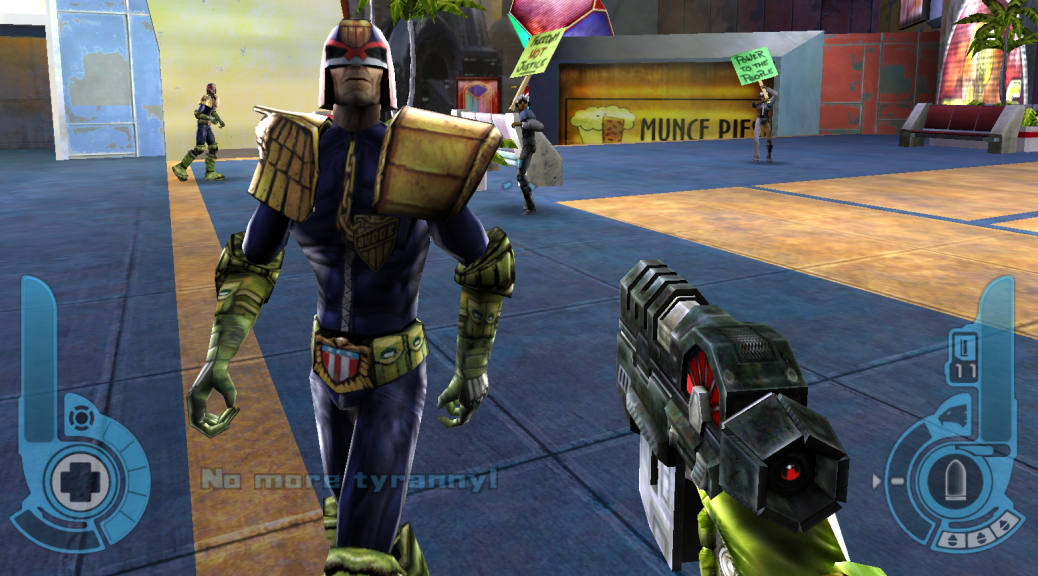
Judge Dredd: Dredd vs. Death, PC
First released in 2003 by Sierra, Judge Dredd: Dredd vs. Death is a first-person shooter developed by Rebellion that is based on the famous British comic character who rose to prominence in 2000AD comic during the ’70s and ’80s. In fact: Dredd vs. Death is arguably the only decent Judge Dredd game that’s been made, to date.
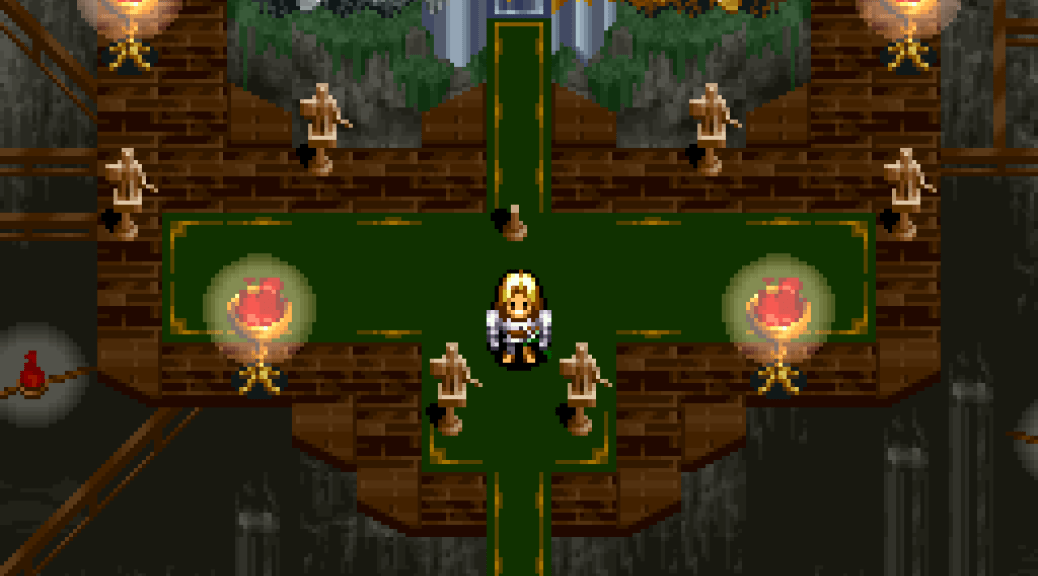
Mystic Ark, Super Nintendo
Developed by Produce! and published by Enix in 1995, Mystic Ark was only ever released in Japan for the Super Famicom, although an English fan translation does exist, making the game playable to Western audiences. And it is a very good RPG, well worth playing now.
Mystic Ark has been described by some as “The 7th Saga II“, and while it does share some similarities with The 7th Saga (by having a circular monster radar and also featuring some of the same monsters) it is not really a sequel as it plays quite differently.

Brain Lord, Super Nintendo
Brain Lord is a strangely-titled, obscure Japanese action RPG developed by Produce! and published by Enix for the Super Nintendo in 1994. The game was officially translated into English and released in North America, but was never released in Europe.

Dragontorc, Amstrad CPC
I didn’t know that Dragontorc existed on the Amstrad until recently and was pleasantly surprised to find out that it did. Dragontorc is one of my all-time favourite ZX Spectrum games and it translates well to the CPC, flickery graphics included.
Dragontorc was designed and programmed by Steve Turner (of Graftgold fame) and is a sequel to the game Avalon, both of which feature a levitating mage called Maroc on a quest to defeat the forces of evil.

King’s Field IV, PlayStation 2
King’s Field IV was developed and published by FromSoftware in Japan in 2001 for the PlayStation 2. It was later released as King’s Field: The Ancient City in North America in 2002, and in Europe (as simply King’s Field IV) in 2003. It is another first-person RPG and is the fourth and final game in the King’s Field series.

